Shockproof Water Heater Installation Tips for Your Home
Learn simple steps for shockproof water heater installation at home. Follow these tips on prep, plumbing, wiring and testing for a safe, efficient setup.

A shockproof water heater is one of the best ways to keep your home safe and comfortable, especially when it comes to the risk of electric shock from power surges or other electrical problems. Installing a shockproof water heater at home does more than add comfort; it also protects your family. This article offers tips and a step-by-step guide to installing a shockproof water heater safely in your home.
Contents
What Is a Shockproof Water Heater?
A shockproof water heater is a type of water heater designed with special protection against the risk of electric shock caused by unexpected power surges. This feature is especially important in areas where the power supply is unstable. These water heaters also usually come with better insulation, so they keep water at a steady temperature for longer and waste less energy.
Before you start the installation, it helps to understand how a shockproof water heater benefits you in terms of safety and energy efficiency. With this technology, the unit lasts longer and runs more efficiently.
Why Choose a Shockproof Water Heater?
Before you move on to installation, it is important to know the main benefits of using a shockproof water heater:
- Greater Safety
Shockproof water heaters are designed to prevent electric shock, a common risk with traditional water heaters that lack special protection. That makes them a safer choice, especially for families with children or anyone sensitive to electrical hazards. - Energy Efficiency
Shockproof water heaters usually feature better insulation technology, which helps keep water at a steady temperature for longer. As a result, energy use is more efficient because the heater does not have to work hard constantly to maintain the water temperature. - Resistance to Power Surges
Power surges can damage a water heater's internal components, shortening the unit's life and disrupting its performance. Thanks to its built-in protection system, a shockproof water heater stands up better to power surges, which extends its lifespan.
Preparing for Shockproof Water Heater Installation
Before you begin the installation, make sure you take care of the following preparations:
- Check That Your Electrical Supply Is Sufficient
Make sure your home's electrical system is adequate and can supply the power the shockproof water heater requires. These water heaters usually need a dedicated electrical connection with a specific capacity. - Choose the Right Installation Spot
Pick a safe, easily accessible location for the water heater. Ideally, it should be installed in a well-ventilated area away from other water sources that could increase the risk of leaks. - Check Compatibility with Your Plumbing
Make sure your home's pipes and plumbing are compatible with the water heater model you plan to install. If you already have existing pipework, you may need adapters to fit the pipe connections to the water heater unit. - Materials and Tools You Will Need
Before installing the water heater, gather tools such as a drill, wrenches, electrical cable, pipes, flexible hoses and a voltage tester. Make sure you have everything you need before you start.
Steps for Installing a Shockproof Water Heater
Once all the preparations are done, here are the steps for installing a shockproof water heater in your home.
1. Turn Off the Power
The first and most important step is to make sure the main power supply is switched off. This prevents the risk of electric shock during installation. Use a voltage tester to confirm that the power is really off.
2. Mark and Drill Holes for Mounting the Water Heater
With safety confirmed, the next step is to mark where the water heater will be mounted. Make sure the spot you choose has enough room for the unit and is safe from potential leaks or water exposure.
Using a drill, make holes of the required size to hang or mount the water heater unit. Make sure the holes are level and solid enough to support the water heater's weight.
3. Connect the Pipes and Water Lines
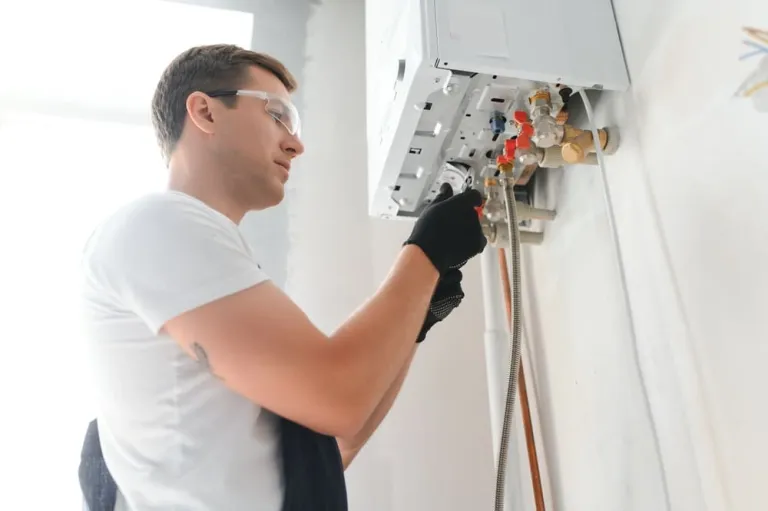
A shockproof water heater usually needs two pipe connections: the cold water inlet and the hot water outlet. Use pipes and hoses that match the size of the water heater unit you chose. Connect the pipes properly and make sure there are no leaks. Use a wrench to tighten the pipe connections securely.
If you have trouble connecting the pipes, you can hire a professional to make sure the plumbing is installed correctly.
4. Install the Electrical Wiring with Safety Protection
A shockproof water heater needs a safe electrical connection that meets standards. Install the wiring according to the instructions in the product manual, and make sure the cable connections are not loose and are properly insulated.
Connect the wires to the correct terminals and make sure the connectors are tight. For a safe installation, you can use a breaker or MCB (Miniature Circuit Breaker) to protect the unit from power surges.
5. Check All Connections for Leaks
Once all the pipe and electrical connections are in place, double-check every connected part. Look for leaks in the pipes or water connections, and make sure the electrical wiring is securely installed with no exposed sections.
Use a voltage tester to make sure the electrical connection is safe and there is no current leakage.
6. Turn On the Water Heater and Test It
Once everything is installed, turn on the water heater and check that the system is working properly. Let the unit run for a few minutes and look for problems such as leaks or issues with heating the water. If the water flows well and the temperature rises, the installation was successful.
Maintaining a Shockproof Water Heater
To keep your shockproof water heater running efficiently and safely, carry out regular maintenance. A few things to keep in mind:
- Clean the Unit Regularly: Make sure your water heater is free of scale or dirt that can reduce heating efficiency.
- Inspect the Electrical Wiring: Routinely check that the wiring is still in good condition and safe to use.
- Inspect the Plumbing: Make sure there are no leaks or blockages in the water pipes.
Installing a shockproof water heater in your home requires care and attention to make sure it is fitted safely and efficiently. By following the guide above, you can make sure your water heater works at its best, safely and with less energy. If you find it difficult, there is no harm in calling a professional to make sure it is installed correctly. Your family's safety and comfort should be the top priority in any installation.