Raising White Leghorn Chickens: A Practical, Enjoyable Guide
A practical guide to raising White Leghorn chickens: breed history, coop setup, lighting, feed, health care and tips to get 280-320 eggs per hen a year.

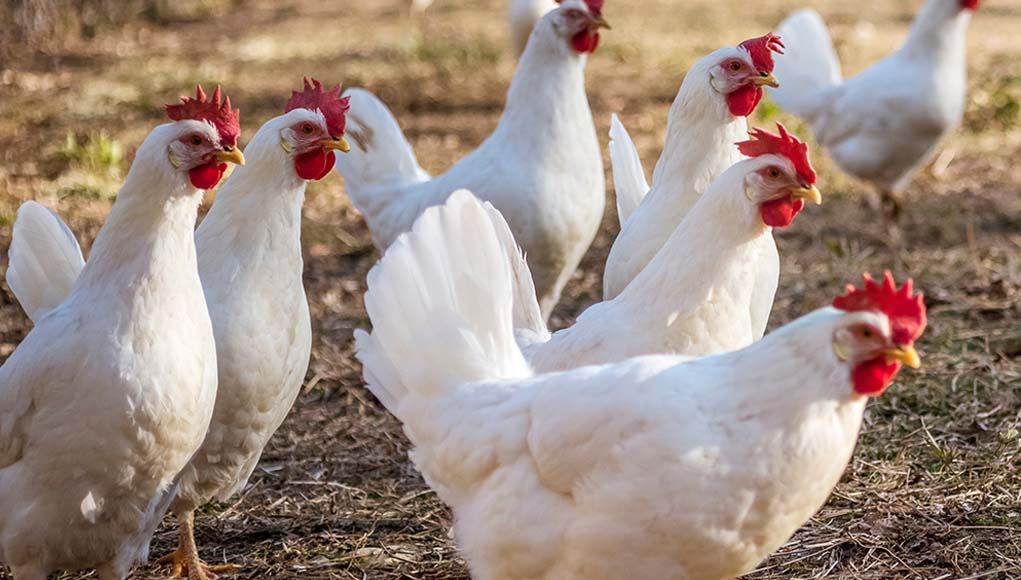
The White Leghorn is known as one of the best laying hen breeds in the world. With very high egg production and strong adaptability, it is a favorite among poultry farmers. This article covers everything about raising White Leghorn chickens, from the breed's history and strengths to tips and tricks for maximizing egg production. Let's start your chicken-raising journey by getting to know this productive white bird a little better.
Contents
History and Origins of the White Leghorn
The White Leghorn originated in Italy and became known in the United States in the mid-19th century. The name "Leghorn" comes from "Livorno," the Italian port from which these chickens were first exported. The breed became popular in America thanks to its remarkable laying ability and its tolerance of a wide range of weather conditions.
Advantages of White Leghorn Chickens
1. High Egg Production
White Leghorns are famous for their exceptionally high output. A mature White Leghorn hen can lay up to 280-320 eggs a year. The eggs are large, with an attractive clean white shell.
2. Feed Efficiency
White Leghorns are very efficient at turning feed into eggs. They need relatively less feed than other laying breeds, which makes them an economical choice for farmers.
3. Tolerant of Different Weather Conditions
White Leghorns adapt well to a range of weather conditions, both hot and cold. That makes them suitable for raising in regions with very different climates.
4. Fast Growth
White Leghorns grow quickly and reach maturity in a relatively short time. That means you can start collecting eggs sooner than with other breeds.
Preparing the Coop and Equipment
1. A Comfortable Coop
The coop is one of the key factors in raising White Leghorns. Make sure it has good ventilation to prevent excess humidity and keep the temperature stable. The coop should also be spacious enough for the chickens to move freely, at about 1 bird per 0.2 square meters.
2. Adequate Lighting
Good lighting is crucial for egg production. White Leghorns need about 14-16 hours of light per day to lay at their peak. You can add supplemental lights inside the coop to meet this requirement.
3. Nesting Boxes
Provide comfortable, clean nesting boxes for your hens. These can be wooden or plastic boxes filled with straw or sawdust. Make sure the nests are easy to reach and protected from disturbance.
4. Feeders and Waterers
Provide feeders and waterers that are large enough and easy for the chickens to reach. Keep them clean at all times to prevent disease.
Feed and Nutrition
1. Commercial Feed
Commercial feed formulated for laying hens usually contains all the nutrients White Leghorns need. Choose a high-quality feed with a balanced mix of protein, carbohydrates, fat, vitamins and minerals.
2. Supplemental Feed
Besides commercial feed, you can offer supplemental foods such as fresh vegetables, grains and household food scraps. Make sure these extras are clean and free of harmful ingredients.
3. Clean Water
Make sure your chickens always have clean, fresh water. Water is essential for digestion and egg production.
Care and Health
1. Coop Hygiene
A clean coop is essential to flock health. Clean the coop regularly so droppings don't build up and become a source of disease. Replace the bedding periodically and keep feeders and waterers clean.
2. Vaccination and Treatment
Vaccinate on the schedule your veterinarian recommends to prevent disease. If a chicken gets sick, separate it from the flock right away and consult a veterinarian for proper treatment.
3. Health Monitoring
Keep a close eye on your chickens' health. Watch for signs such as loss of appetite, changes in egg production or unusual behavior. Catching disease early helps prevent it from spreading and keeps losses to a minimum.
Tips and Tricks to Maximize Egg Production
1. Keep Nutrition Balanced
Balanced nutrition is the key to maximum egg production. Make sure the feed contains all the essential nutrients, and add supplements when needed.
2. Manage Stress
Stress can affect egg production. Avoid sudden changes to the coop environment and keep conditions comfortable for the birds. Don't overcrowd the coop, and give the chickens enough room to move.
3. Adequate Lighting
As mentioned earlier, sufficient light is very important. Make sure your hens get 14-16 hours of light per day to stimulate laying.
4. Give Them Space to Lay
Hens need a comfortable, safe place to lay their eggs. Provide enough nesting boxes and keep them clean.
5. Monitor and Evaluate
Track egg production and assess the condition of your flock regularly. If production drops, find out why and take the necessary action.
Final Thoughts
Raising White Leghorn chickens can be a profitable venture when done right. The breed has many strengths, including high egg production, feed efficiency and strong adaptability. With the right coop setup, balanced feeding and routine health care, you can maximize egg production and enjoy the results. Remember, the key to success in raising chickens is the attention and dedication you put into caring for them. Good luck with your White Leghorn flock!