5 Broiler Chicken Feeding Mistakes to Avoid
Broiler chicken feeding mistakes waste money and slow growth. Learn the 5 most common errors, from overfeeding to poor feeder ratios, and how to fix them.

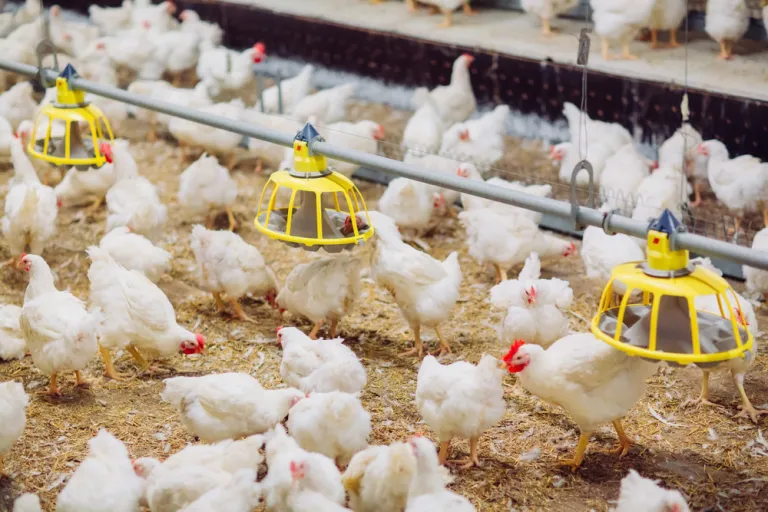
Feed accounts for nearly 90% of the cost of running a chicken farm. It would be a shame if that large feed bill did not translate into healthy growth for the birds. That is why poultry farmers are strongly encouraged to learn what effective feeding looks like. How well broiler chickens grow depends heavily on how they are fed. Feed is converted into meat, so broilers that grow to their full potential also produce the most meat. Here are some broiler feeding mistakes that farmers should avoid:
Contents
Feed That Doesn't Match Nutritional Needs
One broiler feeding mistake farmers must avoid is feed that does not match the birds' nutritional needs. Chickens have different nutritional requirements from the starter phase all the way to the finisher phase. For broiler farmers, one key to successful feeding is knowing what nutrition the birds need at each age. For example, the nutrition given in the starter phase differs from the grower phase. This knowledge matters because each phase calls for its own nutrients, which support the birds' growth and development during that stage.
Overfeeding
Nutrition is not the only thing farmers need to watch when feeding broilers; several other factors deserve close attention. One common mistake is giving too much feed. Excess feed ends up as leftovers, which is bad for farm operations and drives feed costs up. Leftover feed may no longer be in good condition for the chickens to eat later. So give feed in small amounts, but often.
Not Separating Males and Females
Another feeding mistake is not separating the birds. Some farmers keep males and females in the same coop. As a result, feed efficiency drops: the males eat more, while the females do not get enough. Males tend to be more dominant than females, so they end up dominating the feed in the coop.
An Irregular Feeding Schedule
A frequent broiler feeding mistake is keeping an irregular schedule. Chickens know when it is time to eat. If feed is given at irregular times, the birds lose their appetite. Feeding on a set schedule keeps their appetite steady, which works in the farmer's favor. Chickens with a steady appetite have stronger immune systems than those whose appetite fluctuates.
The Wrong Feeder Ratio
The size of the coop determines how many chickens you can raise. It also determines the spacing, or ratio, of feeders inside the coop. Each coop size has its own feeder ratio, so farmers need to understand it. Feeders and drinkers placed at the wrong ratio lead to uneven distribution, and many birds end up not getting enough.
In broiler farming, feed is one of the keys to success. Unfortunately, some farmers, especially beginners, still feed their birds the wrong way without realizing it. Broiler feeding mistakes can keep the chickens from growing to their full potential, so the farm's output falls short of expectations.
Also read:
6 Reasons Broiler Farms Lose Money