Layer vs Broiler Chickens: 3 Key Differences in How They Are Raised
Layer vs broiler chickens: compare daily health checks, water, egg collection, lighting, brooders and vaccination schedules for each type of bird.

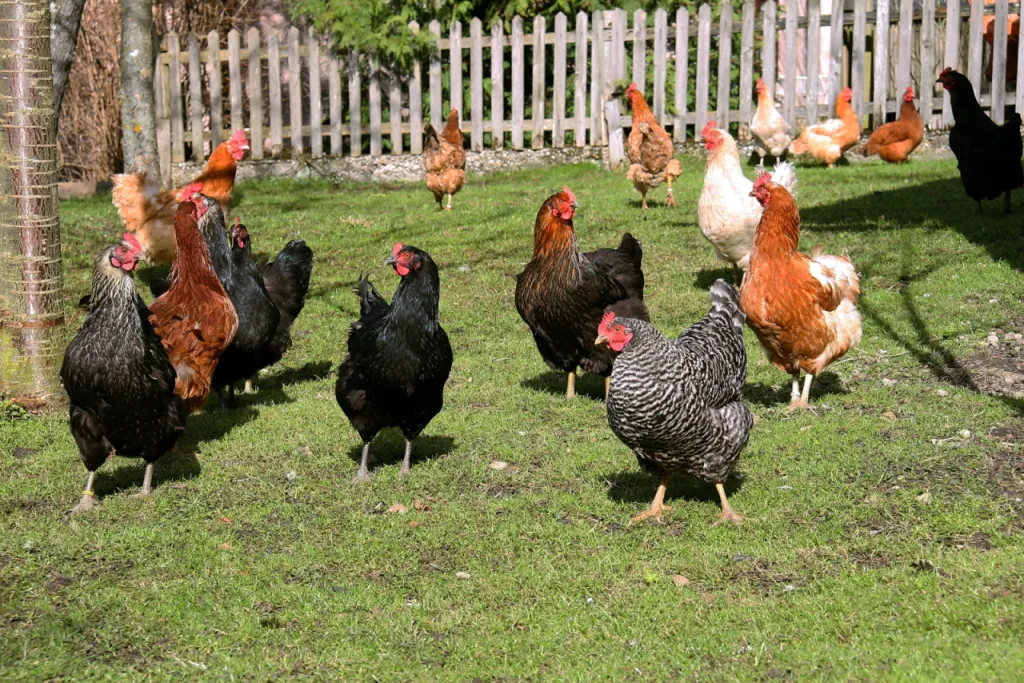
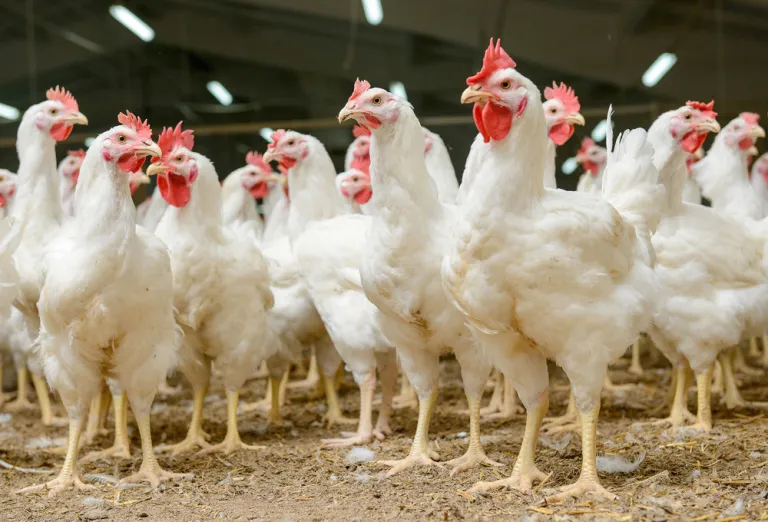
In terms of purpose, broiler chickens are raised for their meat, while laying hens, or layer chickens, are raised for their eggs. These two different goals naturally call for different ways of raising layers and broilers.
If you plan to start raising layer or broiler chickens, you first need to know how to raise them properly. Basically, there are three significant differences in how layer and broiler chickens are raised. Here is how layer and broiler chickens differ in terms of care:
How to Raise Layer Chickens
- Check the chickens' health every day
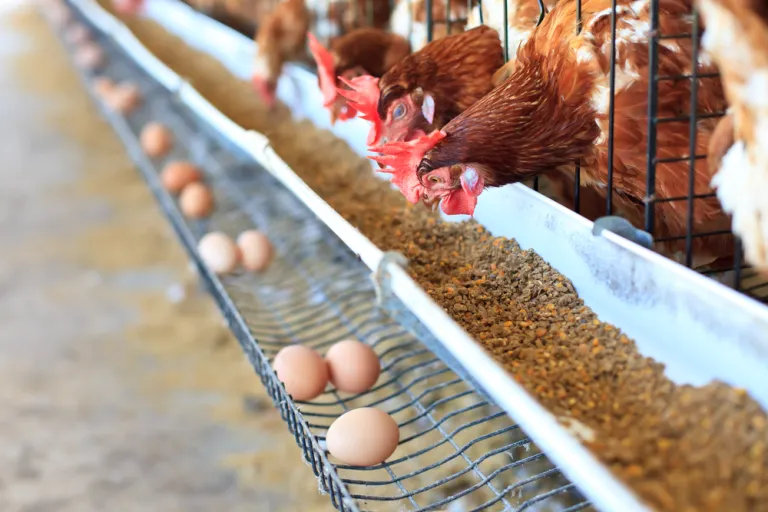
Check the health of your laying hens routinely every day. During each check, also take care of feeding, refilling the water and collecting eggs. Observe the flock closely to make sure your layer chickens are healthy.
Several signs of declining health call for immediate action. They include chickens that appear to be panting, cloudy-looking eyes, a loss of alertness and bald patches. You also need to act quickly if your layer chickens show a drop in egg production or lose their appetite for food and water.
- Provide water at all times
Water consumption is one of the differences between raising layer and broiler chickens. When raising layer chickens, you must make sure drinking water is available at all times. Ideally, provide 1 gallon of water for every 3 to 4 layer chickens. So the more laying hens you have, the more water you need to supply. Beyond filling the water, also keep the drinkers clean to prevent bacteria from growing.
- Collect eggs every day
When it is not stressed, a layer chicken can lay one egg a day. You can collect the eggs in the morning or around midday so they are still fresh. In hot weather, however, it is better to collect eggs twice a day.
While collecting eggs, you can move the chickens into a basket or container box. This keeps the layer chickens from getting stressed during egg collection. If any of the eggs you collect break, clean up the mess right away to keep the coop clean.
Also read Pros and Cons of Raising Laying Hens Without a Coop
How to Raise Broiler Chickens
- Add lights to the coop
Some of you may not know that chickens, broilers included, have poor vision at dusk. That is why you need to add lights to help broiler chickens see at night. The goal is to keep the broilers from falling prey to animals such as snakes and rats. Lights also help keep the chickens' bodies warm.
- Add a brooder
The next difference between layer and broiler chickens is whether a brooder is needed. Lights can keep the chickens warm, but it is much better to equip the coop with a brooder. A brooder lets you regulate the coop temperature so it is neither too cold nor too hot. You will really notice the value of a brooder for broilers during the rainy season. A brooder keeps the chickens warm, protecting them from many disease risks.
- Vaccinate
Raising broiler chickens has to include vaccination. Vaccines are usually given in two rounds: when the broilers are 4 to 5 days old and again at 21 days. The vaccines commonly used are Newcastle disease, ND strain B1 and ND LaSota. Vaccination helps broilers reach their full growth potential and protects them from a range of diseases.
Those are the differences between layer and broiler chickens in terms of how they are raised. Even though both are poultry, each has to be raised differently. These differences come down to what each chicken is raised for: layer chickens are kept for their eggs, while broiler chickens are raised for their meat.