An Easy Guide to Raising Laying Hens at Home
Raising laying hens at home is different from keeping broilers. Learn how to choose stock, build a coop and nesting boxes, pick feed and keep hens healthy.

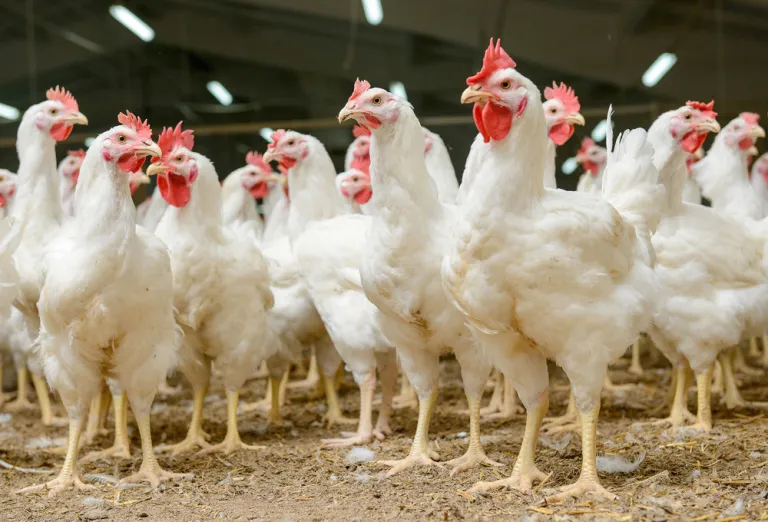
Raising chickens has long been common in Indonesia. But keeping laying hens at home is different from raising broiler chickens, from how you choose the breeding stock to how you care for the birds. Read on for a closer look at chicken farming with laying hens at home.
Tips for Raising Laying Hens
Unlike broilers, laying hens are raised for the best-quality eggs they can produce. To get quality eggs, there are several things you need to pay attention to, especially if you're serious about chicken farming.
You also need to know what laying hens can eat and make sure their feed is good quality, and you need to care for your hens properly. If you plan to start a chicken farm as a business, keep these keys to success in mind for chicken farming
Choose Quality Breeding Stock
When you want to keep laying hens at home, the first thing to focus on is the breeding stock itself. The best-quality stock will naturally shape the quality of what your hens produce. That's why it's a good idea to look for stock bred specifically for egg laying.
Some laying breeds can produce up to 300 eggs a year. One option is a white breed, the Leghorn. This breed is fairly sensitive, though, and doesn't like noise.
There are a few things to consider when choosing laying hen stock, such as picking birds with no physical defects that are still healthy, and stock that comes from superior breeding lines
The Chicken Coop
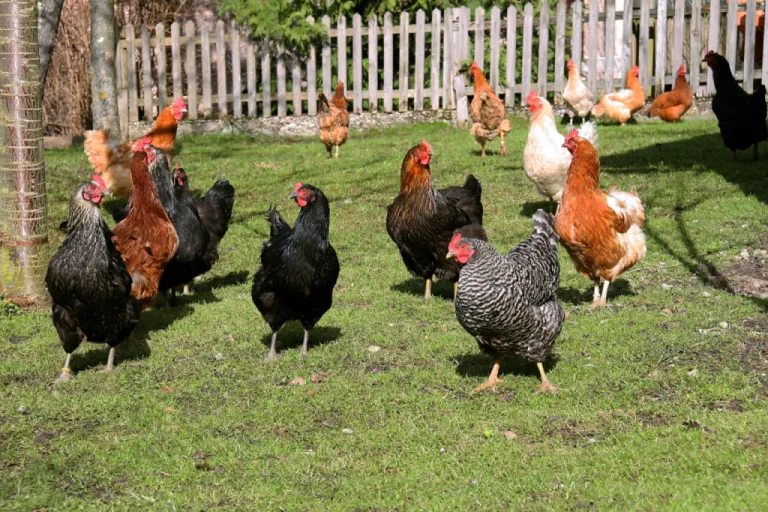
A smart move for backyard chicken farming with laying hens is to build a coop. If you don't have much land, you can build a small coop, but it should be made of strong materials so it lasts, and be sure to give it a roof.
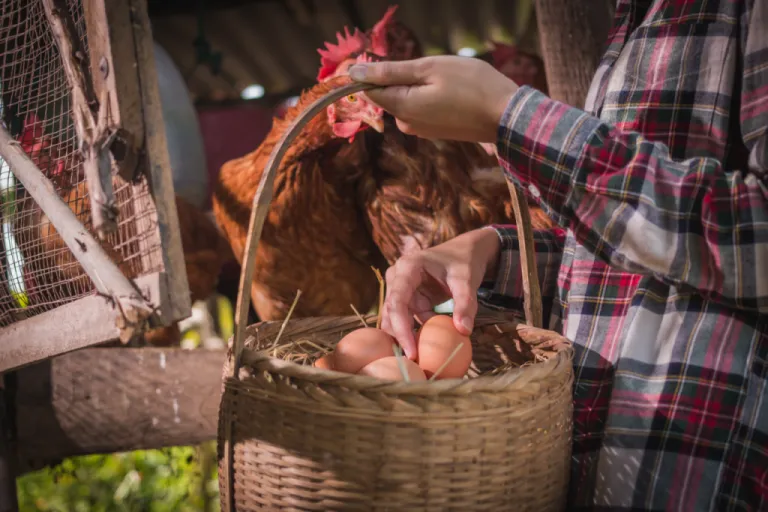
You also need to build nesting boxes measuring 30 x 35 x 45 cm, with each box able to hold 4 hens at once. On top of that, keep up with caring for and cleaning the coop to cut down on strong odors that would otherwise bother you.
Choosing the Right Feed
Once your laying hen coop is ready, it's time to think about what kind of feed to choose. Quality feed will affect the eggs your hens produce.
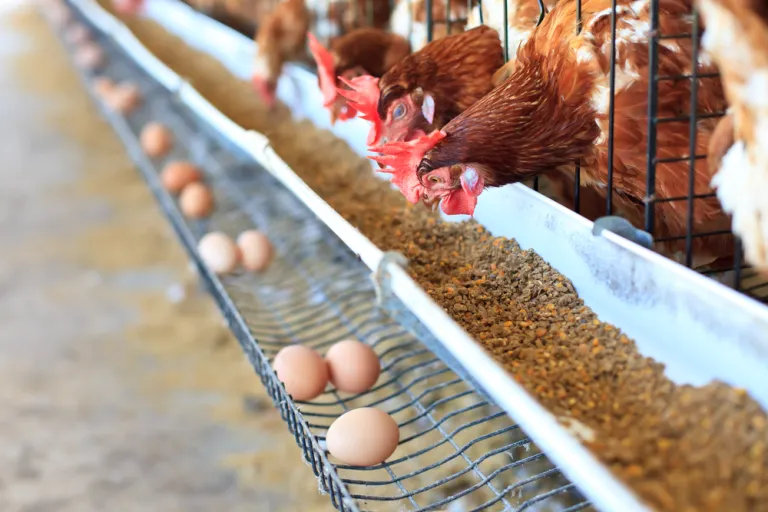
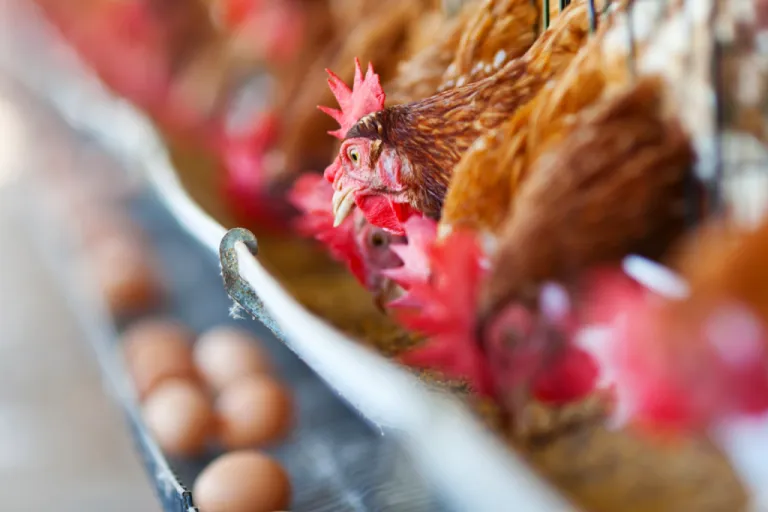
Laying hen feed comes in many forms, from mixes of finely ground corn to fish meal and concentrate. Besides choosing the right type of feed, you also need to pay attention to your caged hens' feeding times. Three meals a day works well, and don't forget to keep the water container filled.
Nutrition and Vaccines
Beyond that, you need to be diligent about caring for your laying hens. Besides their staple feed, your hens also need extra nutrients, vitamins and vaccinations. Giving vitamins keeps laying hens healthy, which in turn affects egg quality.
Vaccines help maintain the hens' immune systems so they stay protected from a range of diseases that would otherwise affect egg quality. You can easily find nutritional supplements and vaccines for laying hens at a poultry market.
Raising laying hens is easy, isn't it? If you're a beginner, there's no need to hesitate about keeping laying hens at home.