Chicken Carcass Basics: Quality Standards and How to Choose
Learn the chicken carcass quality standards that separate healthy meat from bad, including broiler carcass rules and ways to improve quality.

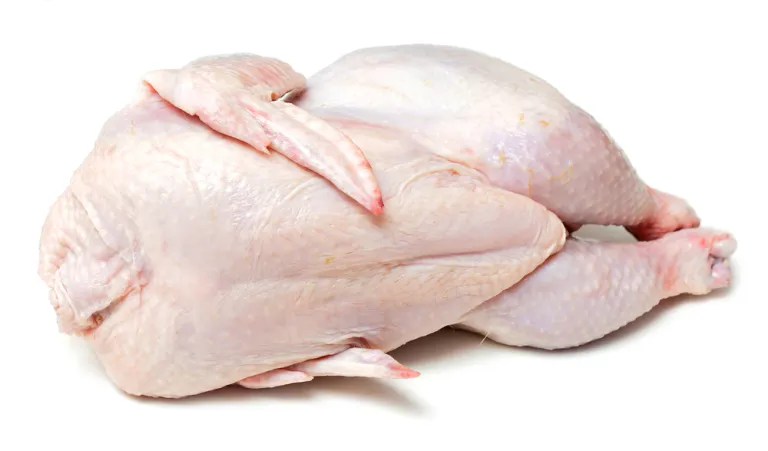
When we buy chicken at the market, or anywhere else it's sold, it usually comes already cut, either as a whole dressed bird or in small pieces. This is what's known as a “chicken carcass”.
Standards for a Healthy Chicken Carcass
Now that the term chicken carcass is clear, there's something else just as important to know: how to recognize, choose and tell apart a healthy chicken carcass from a bad one.
Chicken is one of the most popular meats because it costs less than duck, beef or goat. That's why people buy chicken more often than any other meat.
Most chicken at the market is sold as dressed carcasses. It's convenient, but there are several things you should know first instead of buying just anything. Pay close attention to the quality of the meat, because it can affect your health to some degree.
Also read 6 Types of Chicken Carcass Cuts
There are standards for a chicken carcass that you should check carefully so you can tell which ones are healthy and which are no longer fit to eat:
Ø the skin should be clean white and glossy, with no visible bruises.
Ø it should have the typical smell of fresh chicken.
Ø as far as possible, no blood vessels should be visible anywhere on the bird.
Ø at the slaughter cut on the neck, the opening should be wide and uneven, and the muscle fibers should be pale.
Ø the whole carcass should look intact and in perfect condition.
Ø the carcass should be sold in a covered, chilled display.
Ø there should be no dirt on it at all.
Ø it should be completely free of pin feathers.
Standards for Broiler Chicken Carcasses
One of the most commonly eaten types of chicken is the broiler. You'll often find broiler chickens at fast-food chicken restaurants, because their large size is genuinely appetizing and makes plenty of people want to buy them.
Broilers are among the chickens people most often buy as dressed carcasses. When offering broiler chicken carcasses to customers, sellers need to follow the applicable standards closely:
- it must be truly fresh, processed within no more than six hours, with no further treatment after that.
- if it is chilled, it must still stay fresh, which means it must always be kept at a temperature of four to five degrees Celsius.
- if it is frozen, it must still be fresh, so it has to be stored at a temperature between 12 and 18 degrees Celsius.
- by weight, small carcasses should weigh 0.8 to 1 kilogram, medium ones 1 to 1.3 kilograms and large ones 1.2 to 1.5 kilograms.
How to Improve Chicken Carcass Quality
There are several ways, or steps, to improve the quality of a chicken carcass :
· let the chickens rest for about 12 to 24 hours before slaughter so they aren't stressed.
· the carotid artery, jugular vein and esophagus are the right places to cut so the blood drains out faster.
· after slaughter, the chicken should be hung so the blood drains faster and more completely.
Also read Innovative Ways to Improve Chicken Carcass Quality