Hens Not Laying Eggs? 5 Common Causes in Layer Chickens
Hens not laying eggs even at production age? Learn 5 common causes in layer chickens, from poor feed and vitamins to too little water and light.

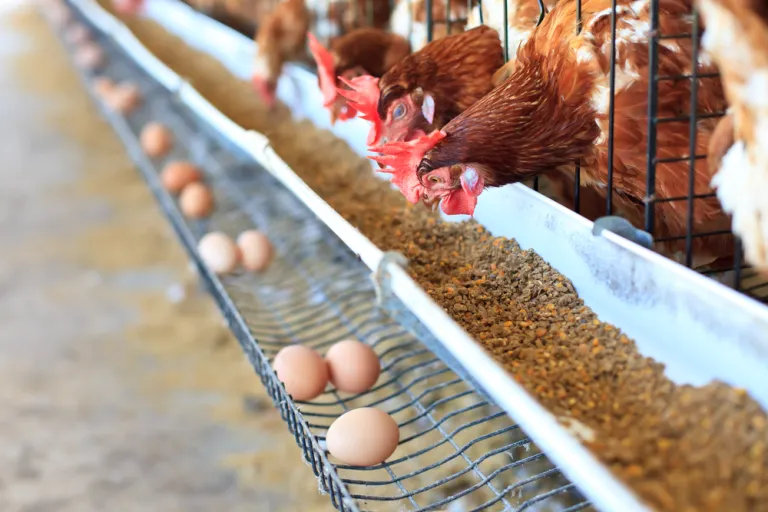
Laying hens are raised for their eggs. When egg prices are high and demand holds steady, layer farmers can earn a healthy profit. Productive layer chickens lay normal-sized eggs in good numbers.
The better the hens are cared for on the farm, the more productive they will be, and the reverse is also true. That's why poultry farmers need to give laying hens the best possible care from the starter period all the way through the laying phase. So what happens when hens struggle to lay? What causes layer chickens to stop laying even though they have reached production age? Here are some of the most common causes:
Contents
Underdeveloped Reproductive Tract
The first reason layer chickens struggle to lay is that their reproductive tract hasn't fully developed. Some hens mature late, so while the rest of the flock is ready to produce, these birds still aren't laying. If you notice this, the best step is to give the reproductive tract time to develop properly. As it develops, it will mature fully.
Feed Quality and Quantity Below Standard
Another cause farmers need to watch closely is feed that falls short of the standard in quality or quantity. Feed is a cornerstone of both layer and broiler farming. If the birds aren't getting enough feed, don't expect your flock to reach its full potential. Farmers also need a solid understanding of nutritional standards and feed amounts, because chickens need different nutrients at each stage of growth.
Also read Tips for Starting a Backyard Laying Hen Business
Vitamin Deficiency
Chickens need vitamins, and vitamins are one of the keys to a successful chicken farm. Laying breeds are prone to disease, so vitamins help keep their immune systems stable and protect them from illness. Vitamins have another benefit too: besides supporting immunity, they help hens start laying sooner. That means a hen lacking vitamins will have a harder time laying.
Not Enough Water
Besides feed, a lack of water can also make hens unproductive. Water plays an important role in breaking down the nutrients that enter the body. When nutrients break down easily, the hen's body absorbs them more easily as well. So don't focus on feed alone; the water supply in the coop deserves just as much attention.
Too Little Light
The next reason laying hens struggle to lay is too little light. Lighting is essential on a chicken farm. Without proper lighting, a hen's reproductive tract can't develop to its full potential. Leaving the coop without enough light is a serious mistake every farmer should avoid.
How to Care for Layer Chickens Properly
Raising laying hens takes the right techniques and know-how. Even a small mistake can have serious consequences for the farm. To prevent hens from struggling to lay, farmers can follow good, proper care practices starting from the starter period.
Start by choosing high-quality day-old chicks (DOC). Good-quality chicks develop a fully formed reproductive tract. Next, choose an ideal coop and manage it well. Equip the coop with proper lighting to keep the hens safe and help their reproductive tracts develop fully. Give them the right vitamins and nutrients for healthy growth. Without adequate, proper nutrition, productivity will drop, and the hens may not lay at all.
Those are the reasons layer chickens struggle to lay and what to watch out for. We hope you find this information useful.