4 Signs of Dehydration in Day-Old Chicks to Watch For
Learn the signs of dehydration in chicks, from lethargy and wrinkled skin to darkened muscles, and how poultry farmers can treat it fast.

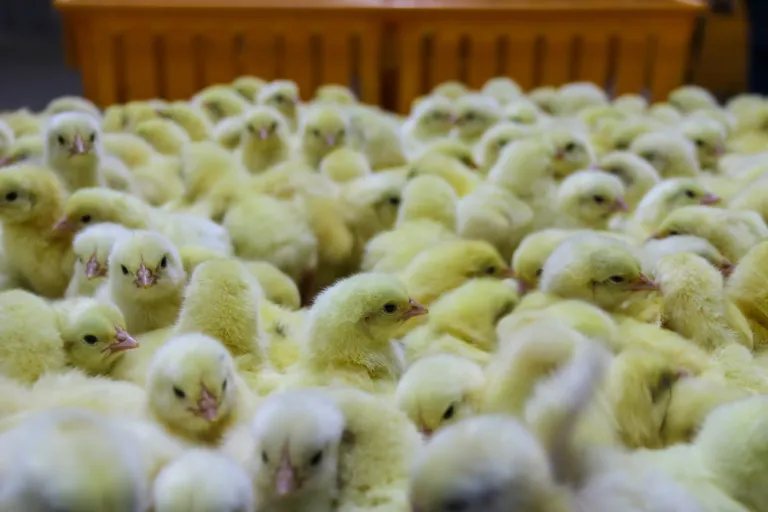
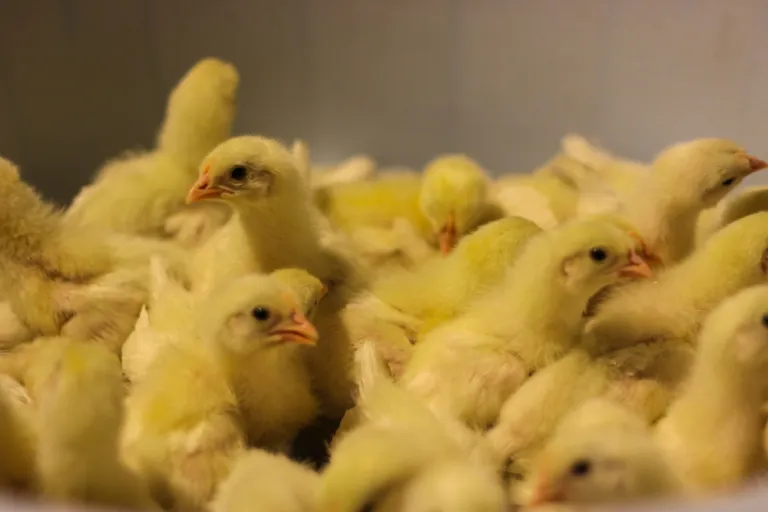
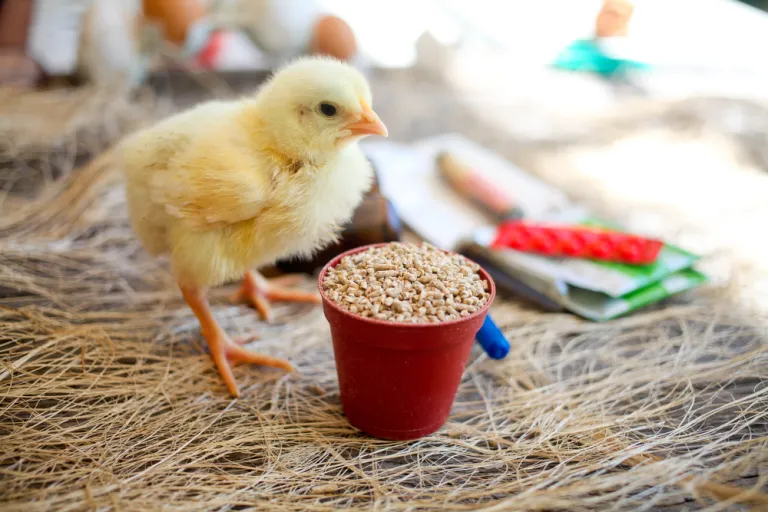
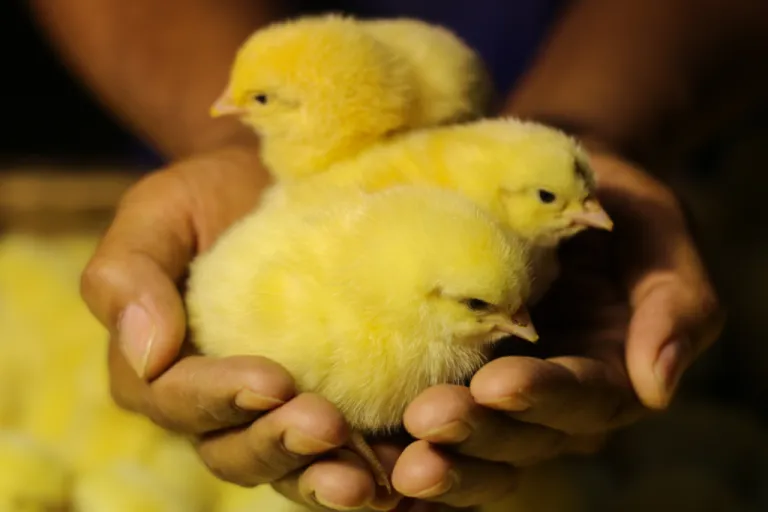
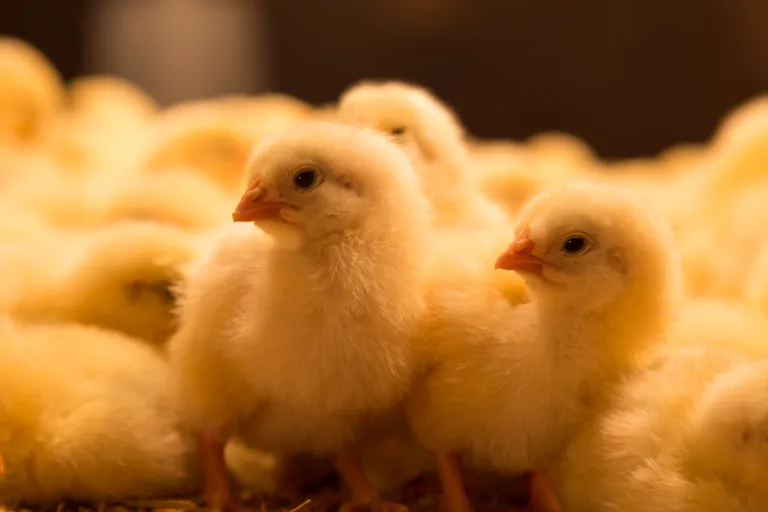
Humans aren't the only ones who get dehydrated; day-old chicks (DOC) can too. Dehydration means the body is short on fluids, which can disrupt how its organs work. Animals can become dehydrated when they don't get enough water to drink. On many farms, poultry farmers pay close attention to the quantity and quality of feed for their chicks but forget to check whether there is still water in the brooding coop. When chicks go without water for a long time, they become dehydrated. This should never be ignored, because dehydration impairs organ function. Here are the signs of dehydration in day-old chicks that every poultry farmer should watch for:
Contents
Lethargic Chicks
The first sign of a dehydrated chick is lethargy. Normally active chicks turn sluggish when they are dehydrated. Poor blood circulation leaves them weak because not enough oxygen reaches the brain.
Wrinkled Skin
When chicks lack water, their skin wrinkles, because water keeps skin firm, elastic and moist. The same goes for people: when the body is short on water, skin becomes dry, flaky and even wrinkled.
Pale Skin
Because poor hydration slows blood circulation, the chick's skin turns pale. Water is essential for circulation. The reddish color of a chick's body comes from healthy blood flow, and when that flow slows, the skin becomes pale and dull.
Darkened Muscles
Another easy-to-spot sign of dehydration in day-old chicks is darkened muscle. A chick's muscles are usually greenish or reddish, but dehydration turns them dark. When this happens, the farmer needs to act quickly and correctly. Darkened muscles are a sign that the dehydration is already fairly severe.
How to Treat Dehydrated Day-Old Chicks
There are several steps you can take to treat dehydrated chicks, and the earlier you act, the better. Here is how to care for day-old chicks suffering from dehydration:
- Keep the Temperature Right
Besides a lack of water, dehydration in chicks can also be caused by temperatures that are too cold or too hot. If you buy chicks from another farm and they have to be shipped, check each chick on arrival for signs of dehydration. If any are dehydrated, place them in a warm coop right away.
- Water
The main cause of dehydration is not getting enough water. Chicks dehydrated from a lack of water need to drink as soon as possible so that blood keeps flowing through their bodies. Blood that is short on water can clot, which leads to the chick's death.
- Glucose Solution
A glucose solution can be given to dehydrated chicks to help weak birds regain their strength.
- Follow-Up Care
After the steps above, follow-up care is needed so the dehydrated chicks don't get worse. The next step is to separate them from the healthy chicks in the coop. With this separation, the farmer can give them more intensive care and monitor their health more closely.
Day-old chicks are vital to any chicken farm, so their care deserves real attention. A farm's success depends on how well the farmer looks after every one of its chicks. That's why, when chicks show signs of dehydration, the farmer must deal with it quickly and correctly before it turns fatal.
Also read: