How to Choose Fresh Chicken That Is Healthy and Hygienic
Learn how to choose fresh chicken: hygienic slaughtering checks, five signs of a healthy chicken carcass, and how long dressed chicken keeps.

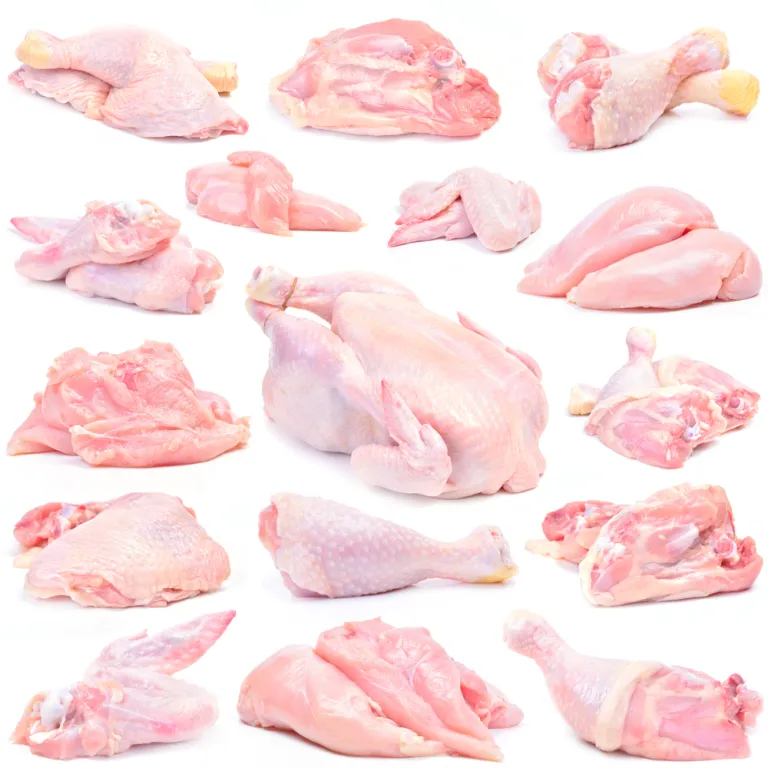
We usually buy chicken either as individual pieces or as a whole dressed chicken. A whole dressed chicken has typically been plucked, gutted, and had its head and feet removed. A chicken prepared this way is known as a chicken carcass, or dressed chicken. Carcass weight counts only the dressed bird, without the blood, feathers, head, neck, feet, abdominal fat and internal organs. Chicken carcasses are widely sold in supermarkets and traditional markets and can be cooked into all kinds of everyday dishes. Besides the carcass's structure and composition, its price also depends on its weight, the proportion of carcass tissue, fat thickness, outward appearance and meat quality.
Because it costs less than beef, chicken carcass is a more popular product to sell. When buying a chicken carcass, consumers can pick the bird to be slaughtered themselves and know the quality of the chicken they are going to eat. You can buy this way at traditional markets or directly from broiler farms. It lets consumers watch the whole process, from slaughter to the finished carcass, which goes a long way toward ensuring the chicken is healthy and clean.
Also read 5 Reasons Why You Should Eat Chicken
When slaughtering chickens and processing them into carcasses, several things need attention so the process stays hygienic and healthy.
- Make sure the broiler chickens you choose are free of viruses and dangerous diseases, so the meat does not pose a health risk.
- Make sure the slaughtering area is clean and hygienic
- The tools used for slaughtering must also be clean so the meat is not contaminated with bacteria.
- The water used to wash the carcass must be clean running water
Besides choosing a live chicken for slaughter at the farm, consumers can also buy chicken that has already been processed into carcasses. To get a carcass of guaranteed quality, it helps to know the signs of a healthy chicken carcass.
Also read Chicken DOC Quality Control for Better Farm Products
- The skin is clean, white and glossy
- There are no bruises on the carcass
- Blood vessels are visible throughout the body
- The muscle fibers at the cut areas, such as the neck, are widely stretched and uneven
- There are no pin feathers on the carcass
A good-quality carcass can also be judged by the shape of its frame and body, especially the breast, thighs and back. Quality meat also shows in the thickness of the meat over the breastbone, thighs, drumsticks and back, and in how the fat under the skin is spread and how thick it is.
How a broiler is slaughtered also affects how long the carcass keeps. Carcasses slaughtered and processed with modern technology and strict quality control usually last longer than those slaughtered the traditional way. For short-term storage, a fresh carcass can be kept in the refrigerator for about 2 days; for long-term storage, it must be frozen. However, to get the best nutrition from chicken, it is best to cook the meat while the carcass is still fresh. That way, the meat retains more of its nutrients than a carcass that has been stored for a long time.