Chicken Cuts Explained: Nutrition, Whole Birds and Carcass Yield
Chicken cuts differ in protein and fat. Learn why breast and thighs are favorites, how whole birds are cooked, and what drives broiler carcass yield.

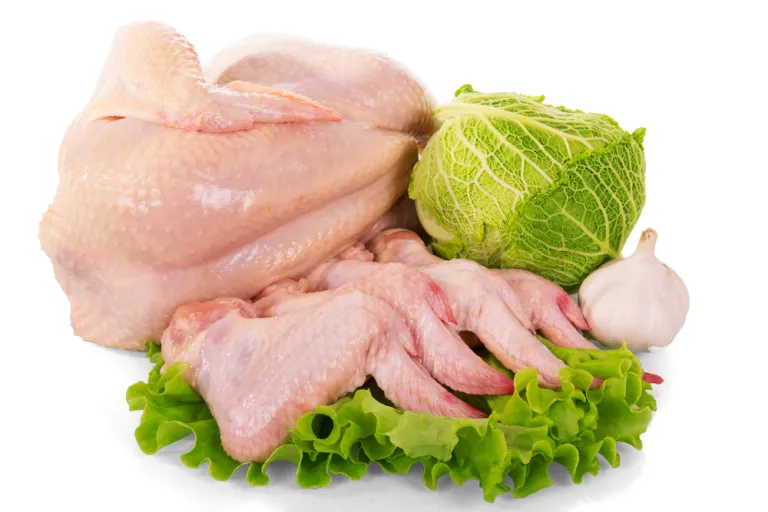
Fried chicken is a favorite chicken dish for almost everyone. It is also common to find restaurants and eateries that put chicken at the center of their menus. In general, the most popular chicken cuts are the breast and thighs, because both carry plenty of meat. Some people, however, prefer the wings, whose drier texture works well for fried chicken. The nutritional content of each cut in a chicken carcass also differs. Chicken is a good source of protein, but the breast is the part with the most protein, while the thighs and wings contain more fat.
Besides individual cuts, chicken can also be cooked as a whole carcass. A whole bird is usually steamed, boiled or roasted. Dishes such as ayam kodok (whole deboned stuffed chicken), ayam ginseng (chicken simmered with ginseng) and ayam panggang (roast chicken) usually call for a whole carcass. Cooking a whole carcass also takes quite a while so the meat turns tender all the way through. Steaming or boiling chicken reduces its fat content, making it a healthier choice. Healthy chicken dishes start with choosing the right meat before you cook. The carcass you choose should show the signs of a healthy carcass, such as clean, white, glossy skin and no bruises on the body.
Also read Chicken Egg Quality Keeps Getting Better Every Year
To make quality chicken dishes, the chicken itself must also have been well raised and cared for. It should come from a farm with the best quality control, so the birds' quality is protected all the way to the point where the carcass yield is measured. Care should not start only when the chicken is about to be slaughtered; the birds must be looked after from the breeding stage onward. This ensures the chicken truly comes from the best breeding stock and is fit for consumption. The chicken you cook should also be fresh so it stays nutritious. Fresh chicken is chicken that has just been slaughtered and dressed, then cooked right away.
The bird's age at slaughter also matters for an accurate carcass yield. Chicken carcasses usually come from broiler chickens raised for 4 – 5 weeks and ready for harvest at an average weight of 1.5 – 2 kg. If a broiler is slaughtered before it reaches the right age, the carcass may weigh less than one from a broiler that is ready for slaughter.
Also read Why Chick Coop Hygiene Matters for Day-Old Chicks (DOC)
Carcass weight is also influenced by the feed and water broilers receive while they are raised. Feeding top-quality feed on a regular schedule increases both the amount and the quality of the meat. To get the best carcass yield in terms of meat quality and weight, broilers must be raised under management that puts high quality control standards first. Farms with strict quality control systems produce carcasses that are safe, healthy and free of defects. Such carcasses are safe to eat because they have not been exposed to chemicals that are harmful to health. If a farm is careless in raising and caring for its broilers, the meat those birds produce will not be of good quality.
Also read How to Choose Fresh Chicken That Is Healthy and Hygienic