Why Chick Coop Hygiene Matters for Day-Old Chicks (DOC)
Chick coop hygiene protects day-old chicks from disease. Learn the three areas to keep clean and a simple five-step routine for cleaning the coop.

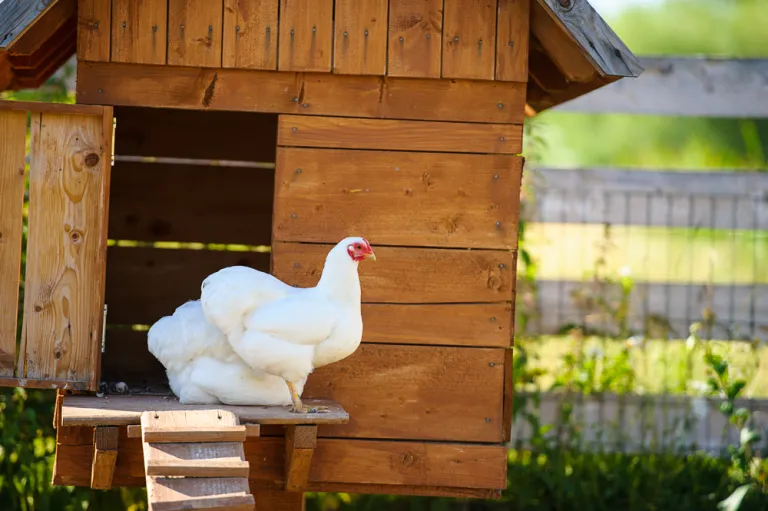
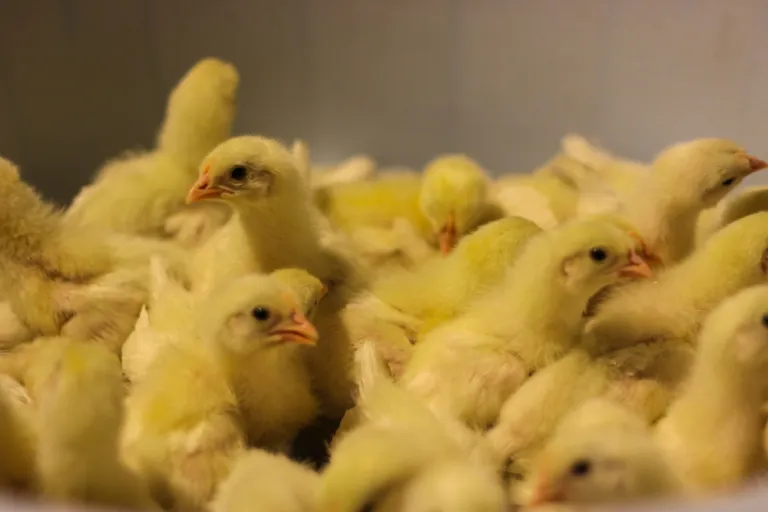
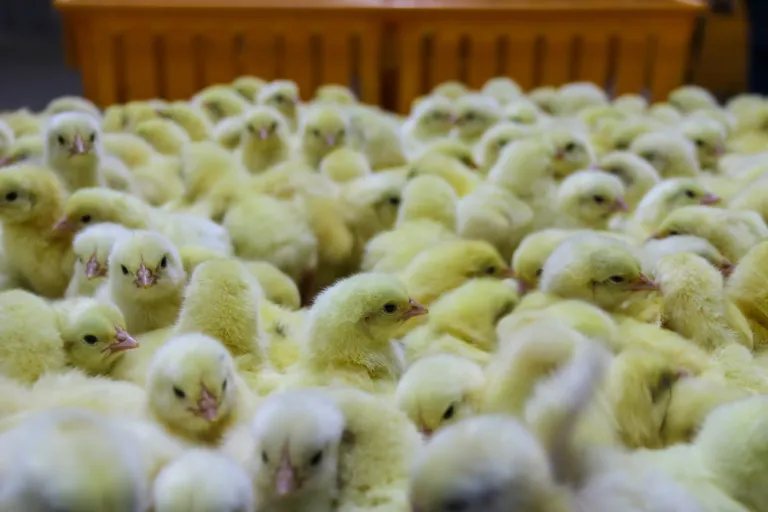
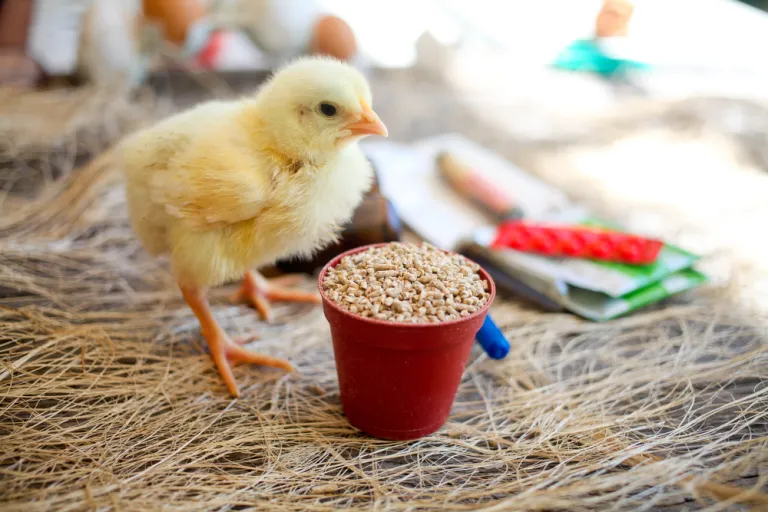
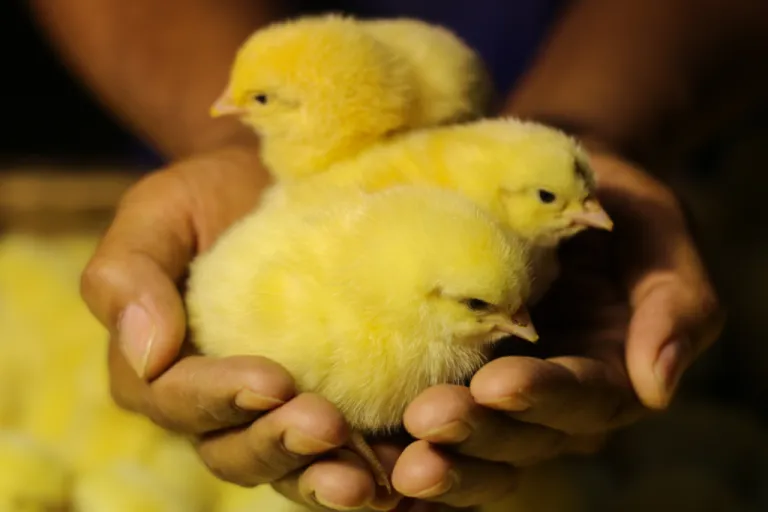
Keeping chickens healthy takes more than feeding them good feed on a regular schedule; it also means keeping the coop clean. Chickens are usually most vulnerable to disease during the day-old chick (DOC) stage, because a young chick's body cannot yet fully adapt to its surroundings. To help chicks grow well, the DOC coop should be cleaned regularly to get rid of the viruses that readily attack young birds. Cleaning creates a healthy, hygienic coop environment so the chickens do not fall sick easily. In a clean, hygienic coop, the bacteria and viruses behind poultry diseases can be kept in check or even eliminated, protecting the flock from deadly diseases such as bird flu and Newcastle disease.
Also read How to Recognize Fresh Eggs from Quality Layer Chickens
A DOC coop must be carefully prepared so the chicks can grow well and stay healthy. Because young chicks are still sensitive to temperature changes, they get sick more often than adult chickens. That is why keeping a DOC coop clean covers three areas: the surroundings, the farmer and the other chickens.
- Clean Surroundings
A clean coop environment covers the entire coop and all the equipment used to care for the birds. This includes the feed store, the egg store, the drains around the coop, the feeders and drinkers, and so on. Once the coop and its surroundings have been cleaned, the farmer can apply disinfectant to make the coop truly hygienic.
- Farmer Hygiene
The farmers who work in the coop every day also need to keep themselves clean. Viruses and bacteria from outside must not be carried into the coop by the farmer. This matters even more when visiting the DOC coop: it is best to change into clean clothes first so that no bacteria or viruses can threaten the chicks' health.
Also read Building a Processed Chicken Business from Chicken Carcasses
- Flock Hygiene
The other chickens in the coop must also be confirmed healthy so they do not pass diseases on to the rest of the flock. Farmers can group the birds as follows to keep track of which chickens are healthy and which are sick.
- Sick chickens should be moved right away to a separate area, such as an isolation pen, for special care.
- If a chicken dies, the carcass must be dealt with immediately so it does not become a source of disease.
This grouping is essential to keep the DOC coop clean and free of dangerous disease viruses, and to stop the chicks from catching diseases from adult chickens or other chicks.
When cleaning a DOC coop, most farmers follow a few simple steps:
- Spray the coop with disinfectant after all the chickens have been moved out
- Clean out and dispose of the chicken droppings
- Spray every part of the coop with soapy water
- Make sure the coop is clean before rinsing off the soapy water with clean water
- Clean the area around the coop, including the feed store, egg store and nearby drains, and keep the feeders and drinkers clean so dirt and viruses do not cling to them.
The DOC coop is the most important place on the farm, because this is where chickens grow and develop before they are ready to produce. That is why chick health deserves close attention, so the birds can grow well.
Also read Choosing the Best Healthy Kampung Chicken DOC for the Table