Signs of Fresh Eggs From Quality Layer Chickens
How to tell fresh eggs from quality layer chickens: the water test, the shake test, shell checks, safe fridge storage and why hen age and feed matter.

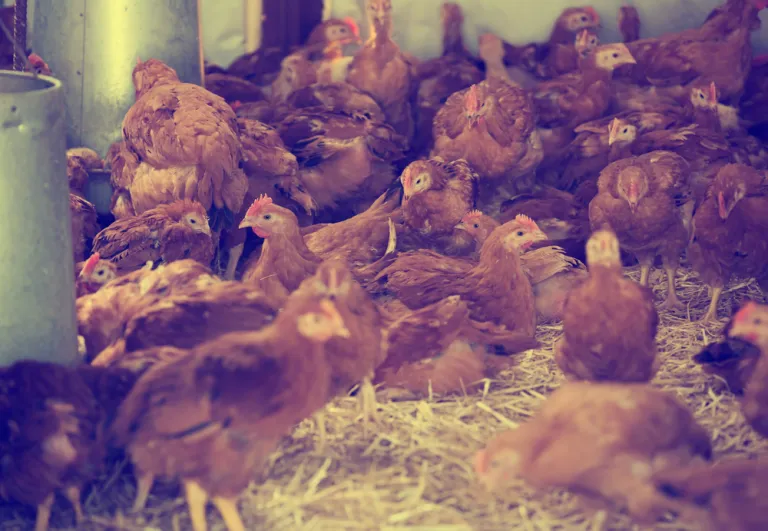
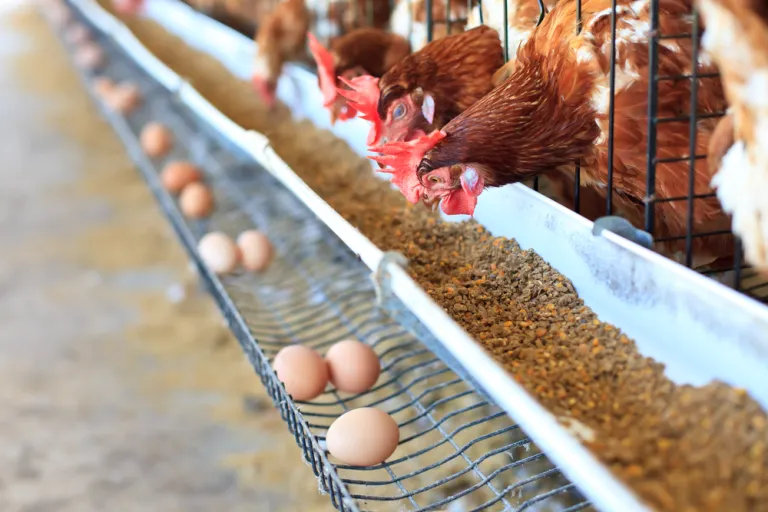
Eggs are a staple every kitchen should keep in stock, whether in a restaurant or at home, for everyday meals. The ideal intake is 1 egg per day. The eggs you eat should be fresh and come from a farm with strict quality control. It's important to know that your eggs come from a farm that truly looks after its laying hens and keeps them in top condition. That's because well-cared-for, quality layer chickens produce high-quality eggs. Eggs bought straight from the farm also keep their nutrients well, since they don't have to go through long storage and lengthy distribution.
Storing eggs for a long time affects whether they are still fit to eat. Eggs are usually kept in the refrigerator so they last longer. Even in the fridge, though, there is a time limit if you want the eggs to stay good. Refrigerated eggs are best kept for no more than 4 weeks. This makes sure the eggs you eat still have their nutrients. Eggs stored too long may have been contaminated with harmful bacteria and are no longer safe to eat. That's why fresh eggs taken straight from a farm with quality layer chickens are the best eggs to eat: they skip long storage altogether.
Also read How to Feed Layer Chickens for Higher Productivity
It also helps to know a few simple ways to check whether an egg is still fresh. A common method is to place the egg in a bowl of water. A fresh egg sinks, while one that is no longer fresh floats. You can also shake the egg in its shell. If it sounds too watery when you shake it, the egg is definitely not fresh anymore. A fresh egg makes no sound when shaken in its shell. The condition of the shell also tells you how fresh the egg is. A fresh egg usually has a small air pocket at one end and a clean, smooth shell with small pores. Once you know how to tell fresh eggs from stale ones, you can be sure you're getting truly high-quality eggs.
The best eggs usually come from farms that raise and care for their layer chickens under strict quality control. That quality control doesn't start when the hens are ready to lay; it starts at the hatchery stage. Layer chickens from the best breeding stock grow into hens that lay the best eggs. Quality layer chickens are hens raised to produce eggs, and those that lay well are usually under 18 months old. Once they pass that age, layer chickens are usually no longer productive.
To produce quality eggs, farmers need to pay attention to the hens' age and also raise them to a high standard, with the best feed and the best care. With top-quality feed and care, quality layer chickens stay healthy, so they can lay plenty of eggs that are also high in quality.
Also read How to Meet the Nutritional Needs of Layer Chickens