How to Meet Layer Chicken Nutrition Needs Effectively
Nutrition Is Vital for Chickens

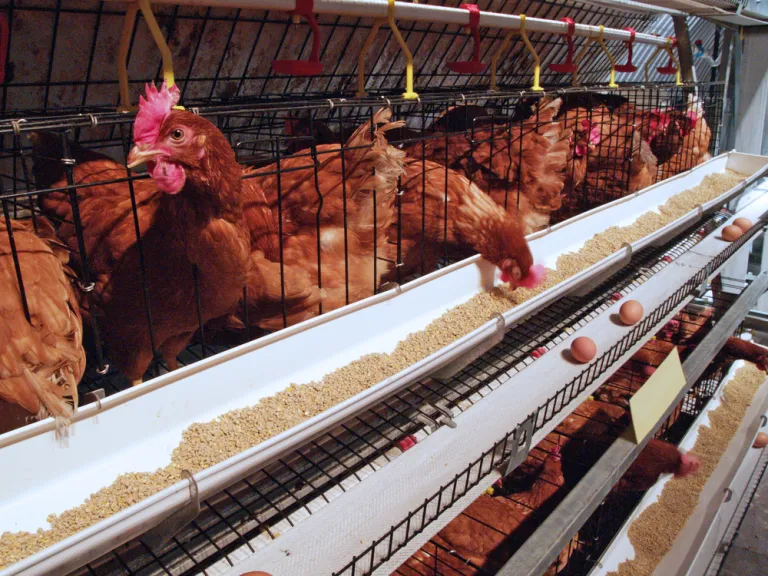
Eggs are an easy-to-find source of protein for meeting your daily nutritional needs. They're also easy to cook into all kinds of dishes. Still, it's worth choosing eggs whose nutrients are well preserved so your body can absorb all the goodness they contain. Getting good-quality eggs starts at a farm that keeps layer chickens, or laying hens, meets their nutritional needs and cares for them properly. Layer husbandry should follow strict quality control so both the hens and their eggs are of high quality. Even the best layer chickens need good care to grow and develop fully.
That's why it's important to know the quality of a farm before choosing foods such as eggs and chicken meat. On farms with the highest standards of care, the quality of egg-laying hens is closely monitored from the time they are chicks until they start laying. Top-quality layers are bred and raised with their nutritional needs met so they produce good-quality eggs. Besides the quality of the hens themselves, care also determines egg quality, and one part of care that shapes it is feeding. Layer feed must meet the hens' nutritional needs so they stay highly productive. The nutrients in layer feed should be geared specifically toward egg formation and the number of eggs produced.
Layer chickens should be given nutrition that matches their age, because their nutritional needs change at each stage. Newly hatched layer chicks usually need nutrients that strengthen their immune system and speed up weekly weight gain. Layers entering their reproductive phase, meanwhile, need nutrients that support the development of their reproductive organs. High-quality layer feed also meets the nutritional needs of adult layers by helping keep egg production stable. That's why it's essential for farms to portion layer feed according to the hens' nutritional needs at each age.
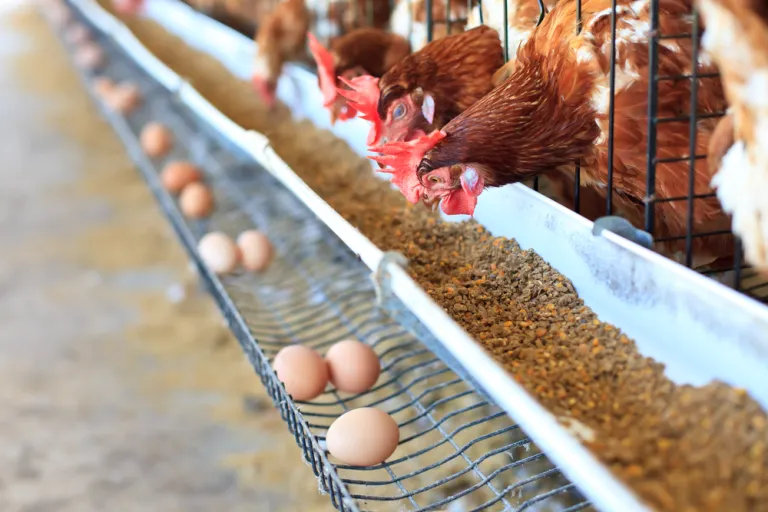
Besides the feed itself, the number of feeders and drinkers must match the size of the flock, and they must be spread throughout the coop so chickens don't crowd together at feeding time. This ensures every layer gets the right portion each day, so its nutritional needs are met. Feeders and drinkers must also be kept clean so the hens' nutritional needs continue to be met. Wash them regularly to remove any bacteria and viruses that may cling to them. At a minimum, wash feeders and drinkers twice a day and disinfect them every 3–4 days.
Also read: Does the Quality of a Layer Chicken Coop Affect Egg Quality?
Feeding on a regular daily schedule also affects how well layers meet their daily nutritional needs. Those needs should also be adjusted to the hens' age so the nutrients in the feed are fully absorbed and can support growth appropriate to each stage. When layer chickens' nutritional needs are properly met, they grow well and keep egg production stable.