Why Does Layer Chicken Management Matter?
Let's Learn How to Manage a Chicken Farm

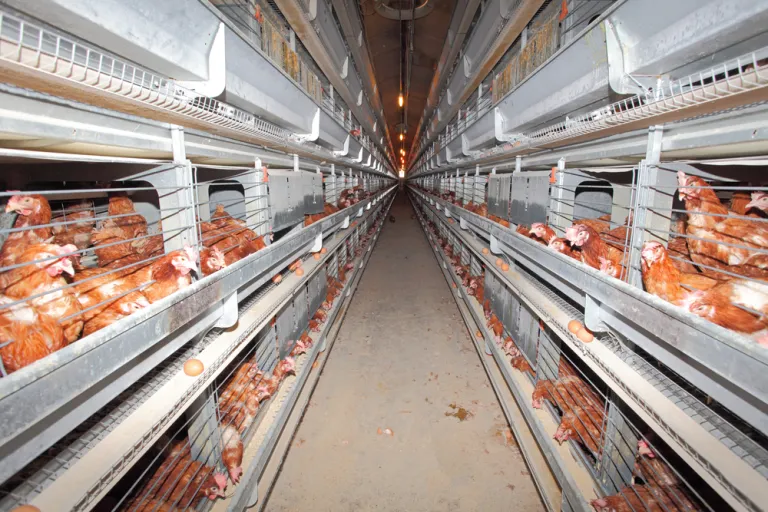
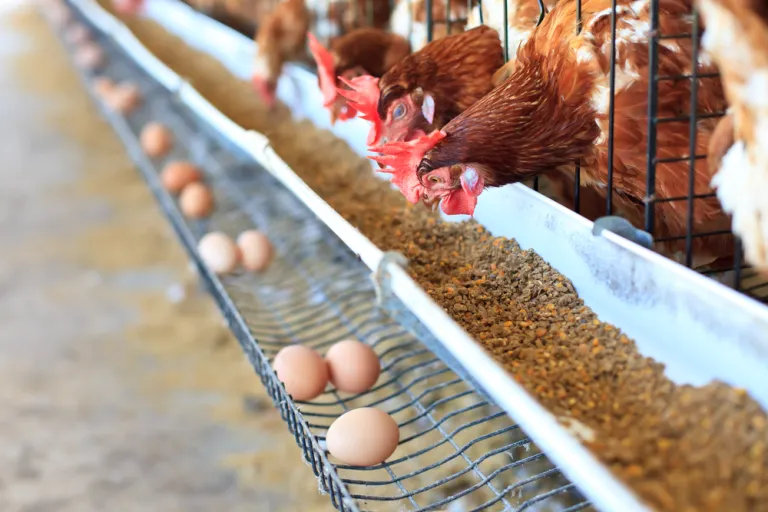
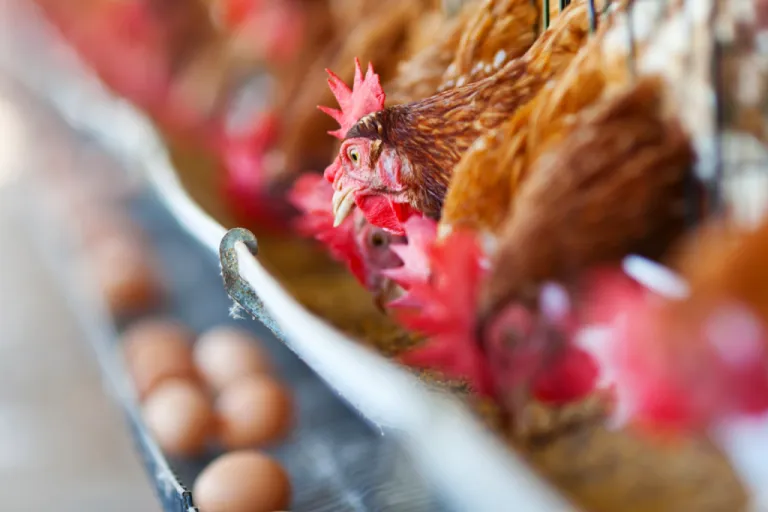
As a daily staple, eggs should be chosen carefully so they stay healthy to eat. When selected and cooked properly, eggs make a tasty dish without losing their nutritional value. This easy, popular breakfast option is a convenient source of protein that you can find every day. Besides buying them at a nearby store, a traditional market or a supermarket, you can also get eggs straight from a farm that raises layer chickens, or laying hens. Eggs from farms with the best layer chicken management are excellent to eat because those hens produce high-quality eggs. So make sure the eggs you choose come from the best layer farms, and this convenient protein source can provide good nutrition for your daily meals.
When you know the farm and the layer chicken management behind the eggs you eat every day, you can be more confident in their quality. Eggs bought directly from a layer farm are usually fresh, so their quality hasn't dropped through long storage and distribution. Besides egg quality, you can also learn about the condition of the layer chickens that laid them. Quality eggs usually come from layers under 18 months old. Layers usually start to lose productivity at 15–20 months of age, so egg production declines after that point.
Also read: The Best Layer Chickens for Producing High-Quality Eggs
Layer chicken management also needs to be well organized so the hens can lay large numbers of quality eggs. Key factors, from coop preparation to feeding, strongly affect how well the hens produce eggs. Management shouldn't focus only on hens that are already laying; it should begin at the breeding stage. Healthy, good-quality layer chicks grow into hens that lay plenty of high-quality eggs, and those chicks must come from the best breeding stock. Usually only hens become layers, while roosters are needed only to produce layer chicks. This is also where layer quality is decided: whether the birds will go on to lay plenty of good-quality eggs or the opposite. Chickens that can't lay eggs are usually sold for meat, although their quality isn't as good as that of dedicated meat chickens, or broiler chickens.
Also read: How to Meet Layer Chicken Nutrition Needs Effectively
After the breeding stage, layer chicken management needs special attention to coop construction, temperature, lighting and nutritionally balanced feed so the layers can grow and develop properly. If any one of these key factors is poorly managed, the chickens won't grow and develop well, and egg quality will suffer. That's why layer chicken management must be well organized: it helps determine whether you end up with hens that lay high-quality eggs. If layer care, such as coop setup and feeding, isn't properly planned and monitored, the quality of the hens will inevitably drop, they won't lay many eggs, and egg quality will decline as well.