How to Store Eggs After Collecting Them from the Coop
Learn how to store eggs so they stay fresh: which way to place them, what to keep them away from, and the best spots, from the fridge to clay pots.

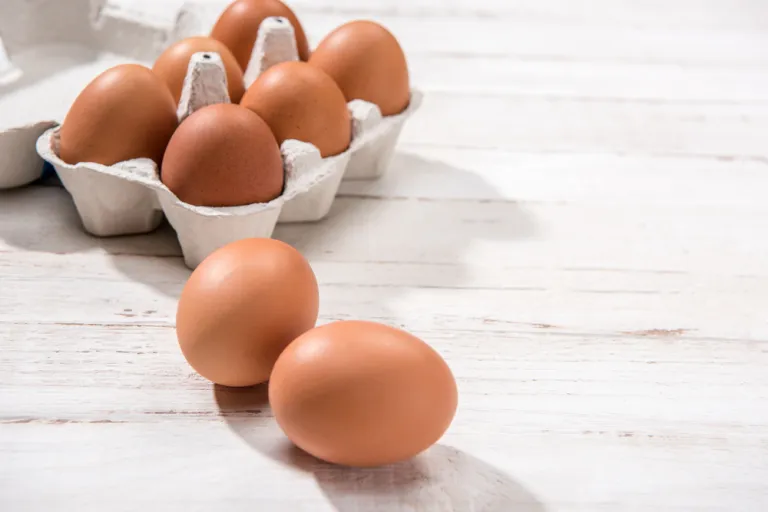
How to Store Chicken Eggs
Farm products tend to spoil easily, especially when they are not handled with good quality control. Some farm products, such as eggs, do keep better than meat and fish. Even so, eggs still need to be stored and handled properly to maintain their quality. Eggs usually go bad because the water and nutrients inside them evaporate, or because bacteria from outside get in through the pores in the shell. That is why eggs must be kept in a suitable place and stored the right way.
After eggs are collected from the layer coop, they are usually graded by size, shell condition, normal shape and cleanliness. Only then are they packed, and they are usually stored for a while before being distributed. After distribution, consumers typically store the eggs again before cooking them as part of their daily meals. When it comes to storage, keep the following points in mind on how to store chicken eggs so they hold their quality:
- Eggs should be placed with the pointed end down and the blunt end up. This keeps the air cell, which sits at the blunt end, at the top of the egg. If the air cell ends up at the bottom, it can press against the egg's contents and lower the egg's quality.
- Keep eggs away from strong-smelling items such as onions, shrimp paste, salted fish, soap and kerosene, because the pores in the shell readily absorb strong odors.
- Eggs can also be stored at a temperature of 0 – 150C. Eggs kept at this temperature can last up to 6 months.
Also read How to Recognize Fresh Eggs from Quality Layer Chickens
Besides the methods above, once eggs have left the layer coop and reached consumers, they can also be kept in places such as the refrigerator. Some good places to store eggs include:
- The refrigerator is the most popular place to store eggs at home. Eggs kept in the fridge usually last up to 4 weeks. Many people keep eggs in the fridge door, but the temperature there keeps changing, which makes it a poor spot for eggs. It is better to store them inside the main compartment, where the temperature is stable.
- Eggs can also be stored in a clay pot lined with straw or dried banana leaves (klaras). If you use a clay pot, keep splashing the outside with water so it stays damp.
- A plastic bag can also be a practical way to store eggs. Keep the eggs in a tightly sealed plastic bag so no air exchange can disturb their moisture. That is one more simple way to store chicken eggs.
Before storage, eggs can also be washed to remove dirt and bacteria from the layer coop that cling to the shell. This is why the coop's cleanliness and health also need attention, so the eggs are not contaminated with bacteria and their nutrients stay intact. Eggs from layer chickens kept in a well-maintained, clean and healthy coop are of high quality and very good to eat.
Also read Chicken Egg Quality Keeps Getting Better Every Year