
Laying Hen Coop Design: How an Efficient Coop Boosts Productivity
How efficient laying hen coop design raises egg output: temperature, humidity, lighting, space and layout, waste management and modern coop technology.

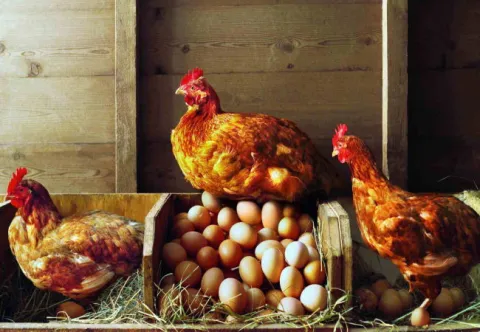
Because it plays such a vital role in the welfare and productivity of the flock, efficient coop design is the key to success in the laying hen industry. Laying hens not only provide an important source of animal protein for the public but also play a major role in the global economy.
Laying hens, also called layer chickens, are poultry raised specifically for egg production. It may look simple, but producing quality eggs consistently depends on many factors, including a coop designed around the hens' needs and welfare. Before we get into why efficient coop design matters, let's take a brief look at the anatomy and basic needs of laying hens.
The anatomy of a laying hen may seem simple, but it plays an important role in the bird's life cycle and productivity. Laying hens usually have small bodies with fine feathers that protect them from extreme temperatures. Their digestive system includes a long digestive tract that lets them digest feed efficiently. Laying hens also have well-developed reproductive organs that allow them to lay eggs regularly.
To reach peak productivity, laying hens have several basic needs that the coop must meet. Nutrient-rich feed, access to clean water, enough room to move, and a comfortable, safe environment are the main factors to consider. These factors strongly affect the hens' health and egg production.
But that's not all. An efficient coop also has to account for a range of environmental factors that can affect the welfare and productivity of laying hens. For example, temperature and humidity in the coop need to be well controlled to stay within the ideal range for the birds. Lighting also plays a major role in stimulating egg production, so the coop should be designed to let in plenty of natural light.
Space and layout also have a big effect on the hens' welfare and behavior. An overcrowded coop can cause stress and fighting among the birds, while one that's too large may waste space. That's why efficient coop design has to take these factors into account to create an environment that suits the natural needs of laying hens.
II. Anatomy and Needs of Laying Hens
Laying hens have a distinctive anatomy and life cycle. To reach optimal productivity, they need the right environmental conditions. Their basic needs include feed, water, room to move and a comfortable environment.
III. Factors That Affect Laying Hen Productivity
Several environmental factors affect laying hen productivity. Coop temperature, humidity and ventilation play an important role in the birds' welfare and egg production. Proper lighting is also needed to stimulate laying. In addition, the right coop space and layout can improve the hens' comfort and productivity.
IV. Efficient Coop Design
Designing an efficient coop involves choosing the right building materials, a layout that accounts for space, ventilation and lighting, and a controlled system for regulating temperature and humidity. A well-designed coop improves both the welfare and the productivity of the flock.
V. Managing the Coop Environment
Managing the coop environment includes handling manure and waste to prevent the spread of disease. Lighting and temperature can also be adjusted to stimulate egg production. Pest and disease control strategies are also needed to keep the flock healthy.
VI. Technology in Modern Coop Development
Advances in technology have brought innovation to laying hen coop design. Automated feeding and watering can cut down on farmers' manual labor. Sensors that monitor environmental conditions and flock health are also becoming more common. Integrating IoT technology into coop management helps raise efficiency and productivity.
VII. Case Studies: Success With Efficient Coop Design
Several examples of well-designed laying hen coops have been shown to boost productivity. Data and results from these case studies show gains in egg production and hen welfare. This shows that efficient coop design has a positive impact on the poultry industry.
VIII. Challenges in Implementing Efficient Coop Design
While efficient coop design has many benefits, it also comes with challenges and obstacles. Upfront costs and long-term investment are often a barrier for poultry farmers. Regular maintenance and system upgrades also take time and money.
IX. Conclusion
To raise laying hen productivity, poultry farmers need to pay close attention to efficient coop design. A coop designed around environmental factors and equipped with modern technology can help improve both hen welfare and egg output. By continuing to develop technology and best practices, we can increase the contribution laying hens make to meeting global food needs.
X. References
A list of the references used in writing this article, for further reading.
Summary
This article covered why efficient coop design matters for laying hen productivity. By paying attention to environmental factors, technology and good coop management, poultry farmers can improve hen welfare and egg production. Through shared efforts to develop technology and best practices, we can ensure the poultry industry makes a lasting contribution to meeting global food needs.


