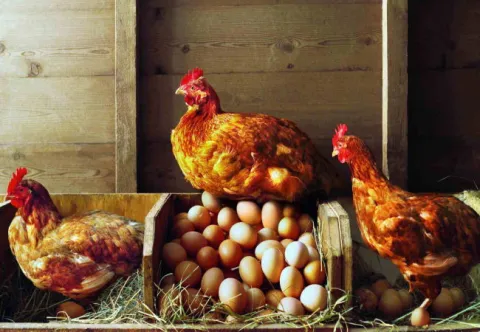
How to Make Odor-Free Chicken Coop Bedding
Learn how to make chicken coop bedding that stays odor-free, with the best materials, layer depth, cleaning schedule and airflow tips.


A strong coop smell is a real problem for poultry farmers. Beyond being unpleasant, it can signal an unhealthy environment for the chickens and the people around them. One of the best ways to deal with it is to use chicken coop bedding that effectively absorbs droppings and odor. Good chicken coop bedding helps keep the coop clean and the whole flock healthy.
Why Does Coop Bedding Matter?
Bedding plays an important role in keeping chickens healthy. It does more than collect droppings; it also absorbs the moisture and odors that can lead to disease. When bedding is poorly managed, bacteria and viruses can multiply quickly. In the end, this can cause health problems in the flock, from infections to lower productivity.
Good bedding also makes the coop more comfortable for the birds. Chickens that feel comfortable and stress-free are more productive, both in growth and in egg production. That is why poultry farmers need to choose and prepare bedding that is not only functional but also environmentally friendly and odor-free.
Materials for Odor-Free Coop Bedding
Several materials can be used to make odor-free chicken coop bedding. Here are some of them:
- Sawdust
Sawdust is a common bedding choice because it absorbs moisture and odor well. It is easy to find and environmentally friendly. The best sawdust is fine and free of harmful chemicals. It keeps coop humidity under better control and minimizes odor effectively. - Rice Hulls
Rice hulls are another option many farmers use. They are cheap and easy to find, especially in rural areas. Rice hulls are highly absorbent and help reduce odor. For the best results, make sure the hulls are dry and free of other debris. - Sand
Sand can also work as chicken coop bedding. It absorbs moisture well and lowers the risk of bacterial growth. Keep in mind that sand needs proper upkeep, such as regular replacement, so droppings don't build up and cause odor. - Leaf Litter
Leaf litter is a less common bedding choice, but it works. Dry, shredded leaves absorb droppings and help reduce odor. Another advantage is that leaf litter can be composted once it is no longer in use, which makes it environmentally friendly. - Agricultural Lime
Agricultural lime is usually added to bedding to reduce moisture and prevent foul odors. Lime also helps balance the pH in the coop, which inhibits the bacteria that cause odor.
How to Make and Maintain Effective Chicken Coop Bedding
Once you have chosen the right material, the next step is to set up effective bedding. Here are some tips to follow:
- Make the Layer Thick Enough
Make sure the bedding layer is thick enough, at least 5-10 cm depending on the material. A thicker layer absorbs droppings and moisture better, which reduces odor. - Check and Replace It Regularly
Check the bedding routinely. When it starts to look dirty or damp, replace it promptly to prevent a strong smell. Ideally, change the bedding every 1-2 weeks, depending on the coop's condition and the number of chickens. - Add Agricultural Lime or Sand
For better results, mix a little agricultural lime or sand into the bedding. Both help absorb moisture and keep the bedding dry, which prevents odor. - Maintain Good Airflow in the Coop
Besides managing the bedding, make sure air circulates well in the coop. An enclosed coop with poor ventilation makes the smell worse, so make sure there is enough ventilation for fresh air to move through.
Supporting Data: How Well Bedding Reduces Odor
According to a study by the Indonesian Research Institute for Animal Production (Balitnak) in Bogor, using sawdust as bedding can reduce ammonia odor by up to 40%. The study shows that organic materials such as sawdust and rice hulls reduce odor more effectively than inorganic materials. Adding agricultural lime was also shown to lower humidity in the coop by up to 20%, which directly helps cut unpleasant smells.
Final Thoughts
Managing effective chicken coop bedding isn't difficult when it's done right. Using the right materials, such as sawdust, rice hulls or sand, combined with routine maintenance, can help reduce the strong odors that so often plague chicken coops. Keeping air circulating and adding agricultural lime are also important steps for a clean, healthy coop environment.
If you need more help choosing or making effective chicken coop bedding, don't hesitate to contact us. We're ready to help you find the best solution for your farm.