Vascular vs. Non-Vascular Interventional Radiology: What's the Difference?
What is interventional radiology? Learn how vascular and non-vascular procedures work, their benefits, and why they are not considered surgery.

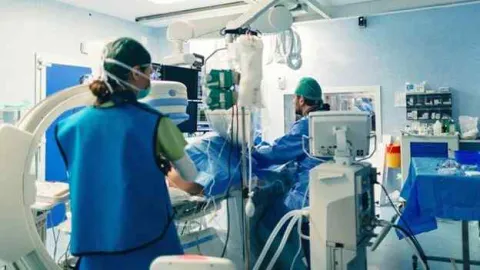
Interventional radiology involves two commonly performed types of procedures: vascular and non-vascular interventions. The field has only a short history in Indonesia, but over the past few years these treatments have become better known and increasingly popular. What is interventional radiology, and which procedures does it cover? Here is an overview.
Understanding Interventional Radiology
1. Specialized Training for Doctors
Education and training for Indonesian doctors in the interventional radiology subspecialty are run by the Indonesian Society of Interventional Radiology Subspecialists (PSRII). The society is a trusted body because it operates directly under the Indonesian Radiological Society (PDSRI).
2. Not a Surgical Procedure
Interventional radiology is not surgery. It relies on imaging technology and minimally invasive procedures. The imaging tools typically used include ultrasound, positron emission tomography (PET), magnetic resonance imaging (MRI) and computed tomography (CT).
3. Benefits of Interventional Radiology
Treatments performed with interventional radiology are said to leave no scars and cause no side effects such as pain. Besides reducing pain during treatment, the method also lets patients recover faster. Other benefits include shorter hospital stays and lower costs.
4. Two Types of Methods
In general, interventional radiology procedures fall into two methods: vascular and non-vascular. Vascular procedures deliver treatment through the blood vessels, while non-vascular interventional procedures do the opposite and do not go through, or involve, the blood vessels.
In vascular radiology, a catheter is inserted in the groin or the arm through an incision about 0.5 cm long. The procedure is done under local anesthesia, which keeps the incision as small as possible.
Non-vascular interventional radiology, on the other hand, is often used for biopsies guided by CT scans, ultrasound or other tools. With ultrasound and CT guidance, patients can even undergo cancer treatments using ethanol ablation, radiofrequency and other methods.
Also read Why Choose Heartology as Your Heart Care Center
Vascular interventional radiology commonly involves two kinds of procedures: diagnostic and therapeutic. Diagnostic procedures use angiography, which produces images of an organ and its blood vessels. Therapeutic procedures use balloon angioplasty, stents, flushing, embolic agents, liquid embolic agents, particles or coils.
Today's advances in medical technology bring many benefits, especially for patients who need intensive care. These breakthroughs offer real advantages and save time. Some conditions can even be treated without surgery.
Check the practice schedule of one of Heartology's cardiologists specializing in vascular intervention, Dr. Suko Adiarto