5 Broiler Chicken Carcass Standards You Need to Know
Broiler chicken carcass standards explained: physical traits, integrity, handling of fresh, chilled and frozen carcasses, weight classes and packaging.

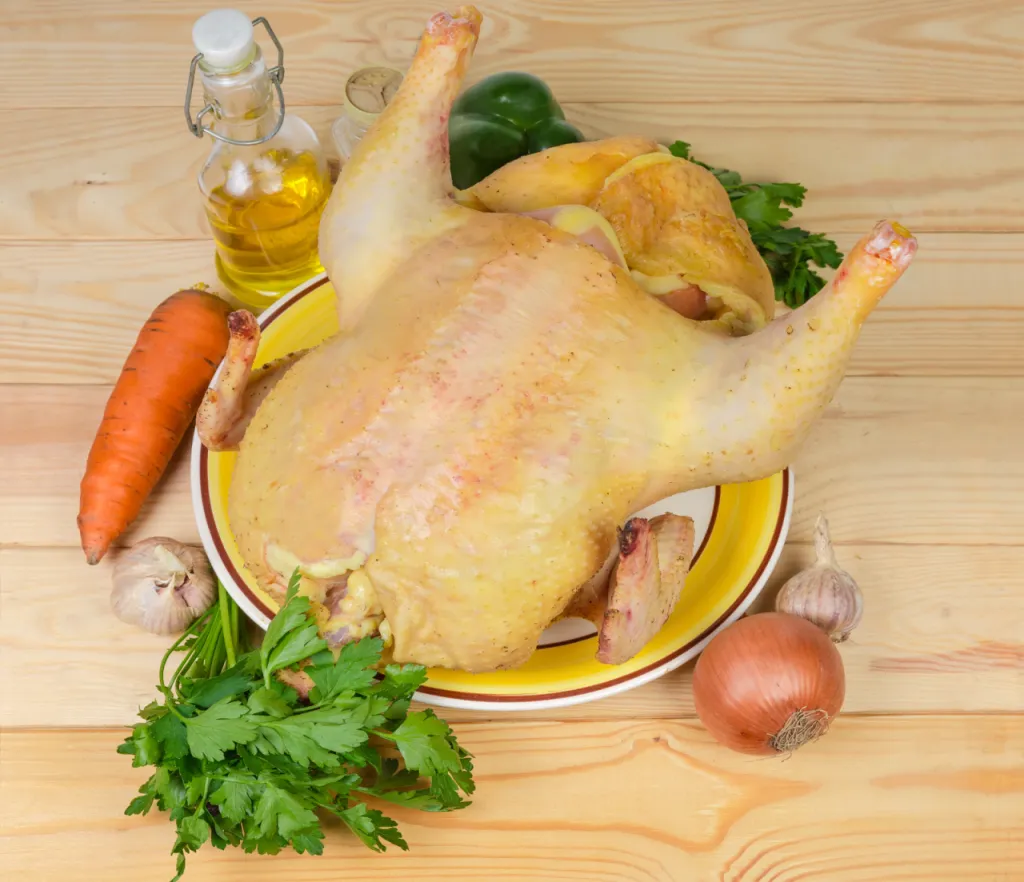
Broiler chicken carcasses are in high demand, from food businesses to home cooks. Their relatively good flavor and easy preparation make broiler carcasses the top choice. Even though chicken carcass meat costs more, demand stays consistently high.
Broiler chicken carcass meat actually has standards. Before it can be sold, a chicken carcass must meet them. Meat that does not meet the standards will be confiscated during market inspections, which means losses for both poultry farmers and sellers. Here are 5 broiler chicken carcass standards you need to know:
Physical characteristics
The first broiler carcass standard to meet concerns its physical characteristics. In general, a broiler carcass that meets the standard has 4 physical characteristics: the feathers, the offal, the feet and the head have all been removed. If you do not see all four of these characteristics, the meat cannot yet be classified as a chicken carcass.
Also read Tips for Choosing and Spotting a Healthy Chicken Carcass
Carcass integrity
The second broiler carcass standard is that the meat is whole and intact, meaning the carcass has no defects. A chicken carcass is considered defective if it has bruises or tears in the skin, dislocated joints, or broken or even missing bones. So avoid any chicken carcass that shows these four signs, even if they are not very visible.
Handling
Once the physical characteristics and integrity meet the standard, handling must follow suit. How you handle a carcass has to match the type of chicken carcass involved. There are three types of chicken carcass that must be handled according to the standard: fresh carcasses, chilled fresh carcasses and frozen carcasses.
- Fresh carcasses can be handled up to 6 hours after slaughter. They must not be handled outdoors, because that makes the chicken carcass meat spoil quickly. Handling outdoors also violates the broiler carcass standards set by the Indonesian government.
- Chilled fresh carcasses are widely found in supermarkets and modern markets. After slaughter, the chicken carcass is chilled to prevent spoilage. The meat, fish and produce sections of supermarkets and modern markets are usually colder because that is what the standards require.
- Frozen chicken carcasses are chickens that have been slaughtered and then frozen in a freezer. Frozen chicken carcass meat keeps for months, as long as it is stored according to the established standards.
Weight
Weight is the broiler carcass standard poultry farmers use to decide when to harvest. If a chicken is still underweight, it is not ready for harvest. If it has reached the target weight, it can be harvested even before it reaches the usual age. That is why many farmers compete to boost their chickens' body weight so they can harvest sooner, even when the birds are younger. By weight, chicken carcasses are divided into three classes: small, medium and large.
Packaging
The last broiler carcass standard is good, safe packaging. The goal is to keep the chicken carcass meat intact and undamaged. Good packaging is especially valuable when chicken carcasses have to be shipped to other regions.
As it turns out, handling broiler chicken carcass meat involves several aspects that need attention. Together, they make up one set of rules known as the broiler chicken carcass standards. Anyone in the broiler chicken business needs to know these rules and apply them.
Also read Innovative Ways to Improve Chicken Carcass Quality