Broiler Carcass Weight: The Factors That Affect It
Why do broiler carcass weights vary? See how age, sex, feed and water, and skin and bone density affect broiler carcass weight and your selling price.

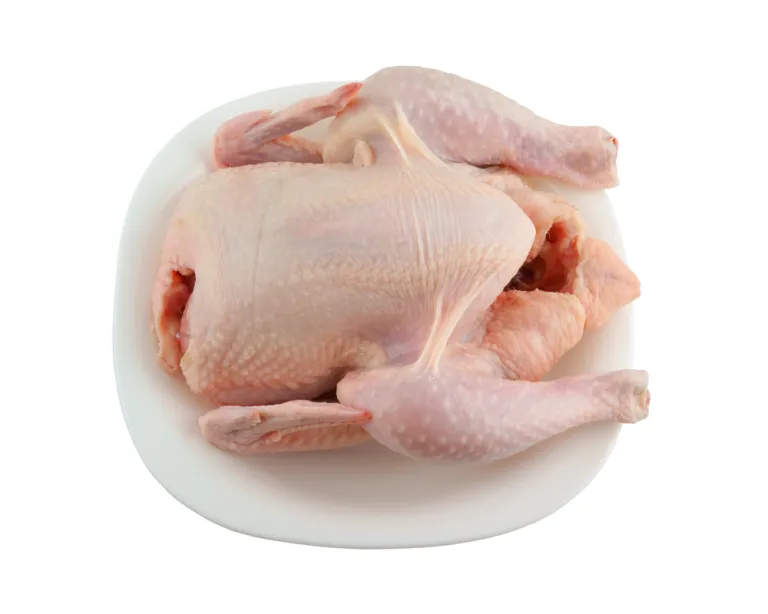
Every chicken carcass has its own weight, so don't assume one carcass is the same as the next. Many poultry farmers are puzzled when they process their birds into carcasses and find that the carcass weights vary. Naturally, every farmer wants heavy carcasses, because the heavier the carcass, the higher the price. Here are several factors that affect chicken carcass weight that you should know:
Also read 4 Broiler Farming Challenges Every Farmer Should Know
Contents
Age
The first factor that affects chicken carcass weight is the bird's age. A chicken that isn't old enough weighs less than one that is ready for slaughter, so make sure your chickens are ready for slaughter before you sell them to customers. Of course, the carcass weighs less than the live bird, because the giblets, intestines, head and feet are not included in the carcass. Removing the feathers also reduces the weight. You can get slaughter-ready carcasses from broiler chickens aged 4 to 5 weeks. The average normal weight of a broiler destined to become a carcass is 1.5 kg, but once the feathers and giblets are removed, the bird loses about a third of that weight.
Sex
Chicken carcass weight can also be calculated based on the bird's sex. Female broilers have a heavier carcass than males, because hens carry more weight in certain parts such as the legs, wings, breast, drumsticks and thighs. Besides being sold as whole carcasses, these parts are also sold to customers separately. The giblets and other parts are sold separately as well, such as the liver, gizzard, intestines, chicken feet and chicken heads.
Nutritious Feed
Chicken carcass weight is also affected by other factors, such as how the birds are raised on the farm. If you raise your chickens well and pay attention to their feed, their weight will increase rapidly. Carbohydrates, protein and fat in the feed ration help the chickens gain weight. That's why whether a broiler was well raised or not shows at harvest time.
It isn't only feed that affects a chicken's weight; water matters too. Chickens that get enough to drink every day put on meat quickly. Feed and water are two closely linked components. A chicken can absorb balanced, sufficient nutrients properly only if it drinks enough water. Water speeds up the breakdown of nutrients and helps the chicken's body absorb them well.
Skin and Bones
A chicken's weight also depends on its skin and bones. Although they look the same, chickens differ in their skin and bones. Some carcasses have large, thick skin, while others have thin skin. The same goes for bones: some are dense and some are brittle. The amount of calcium and phosphorus a chicken consumes has a big impact on bone density. So don't be surprised that chickens with good bone density produce a heavier carcass.
Also read 4 Tips for Cutting Up a Whole Chicken Carcass Easily
Those are several factors that affect broiler carcass weight that are worth knowing. We hope this information is useful.