4 Viral Diseases in Broiler Day-Old Chicks to Watch For
Newcastle disease, fowl pox, bronchitis and Gumboro: learn the symptoms of these viral diseases in broiler chicks and how vaccination helps prevent them.

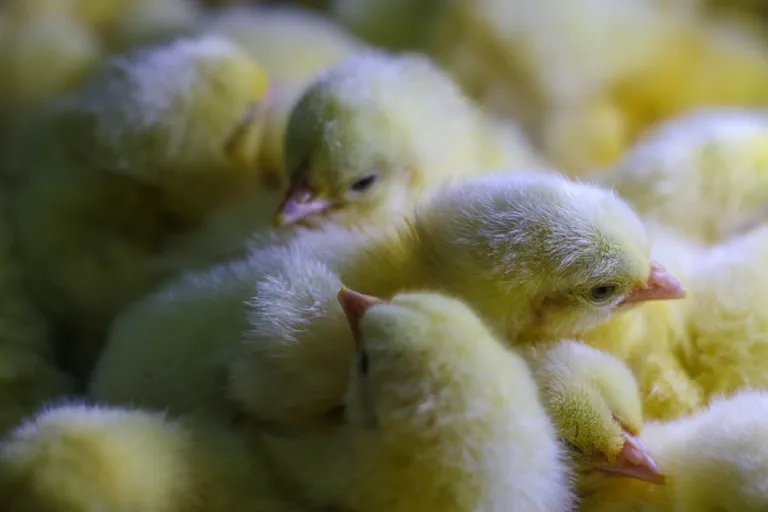
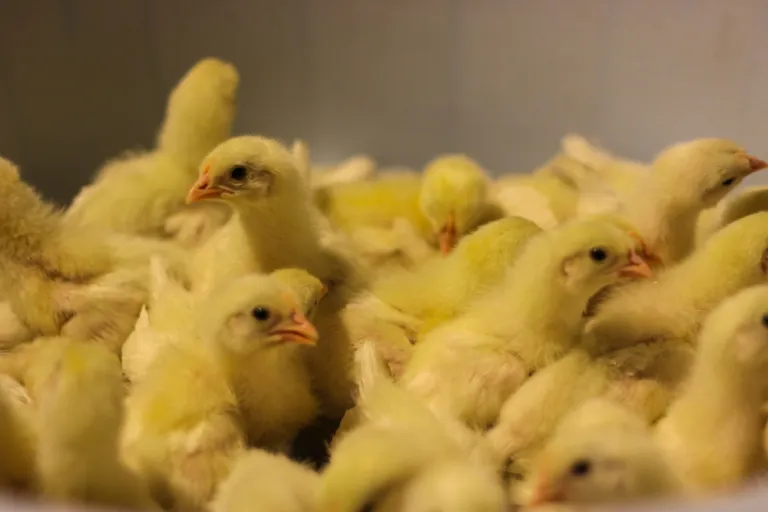
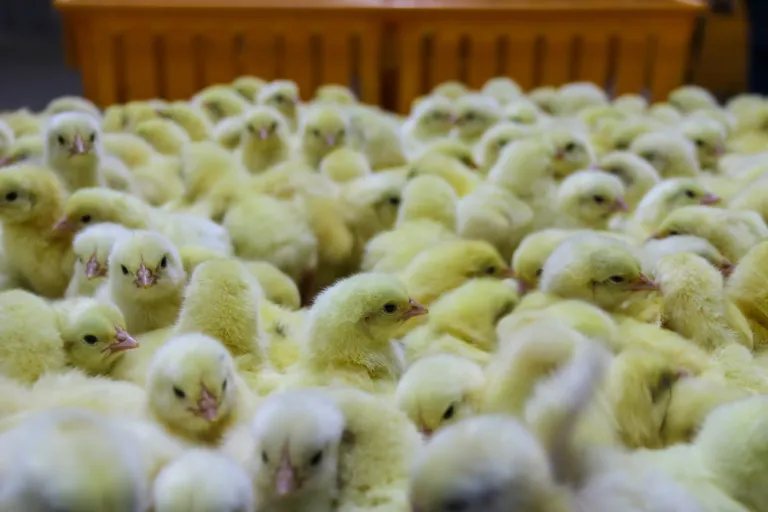
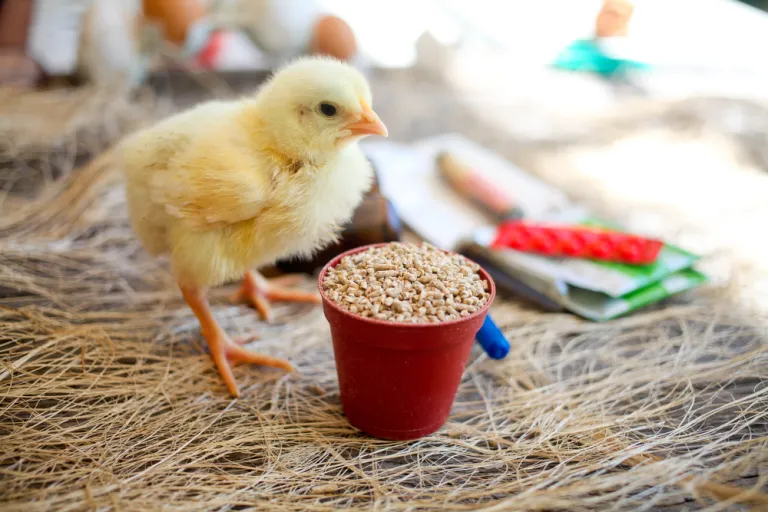
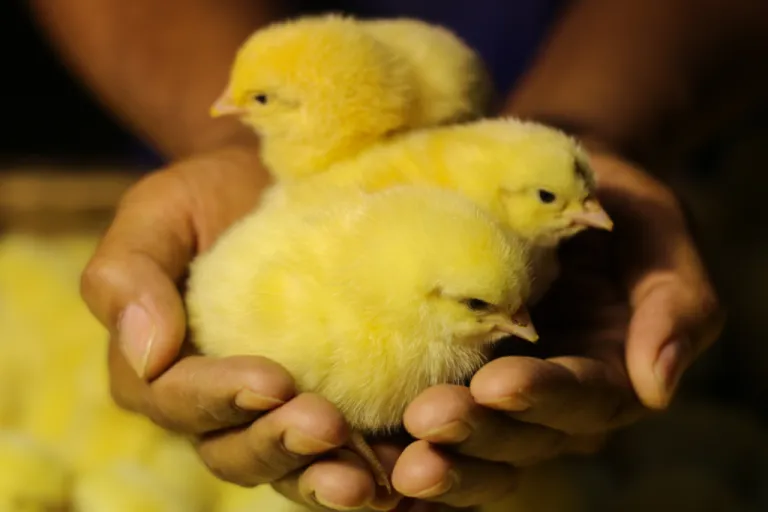
Broiler chickens are raised for their meat, and one key to a successful broiler farm is choosing the right chicks. These chicks, known as day-old chicks (DOC), need proper care, which means meeting their nutritional needs every day. Day-old chicks need at least 8 nutrients every day. When those needs are met, the chicks build stronger immunity and don't get sick easily. You also need to vaccinate them to protect the young birds from a wide range of diseases. There are many diseases that affect day-old chicks, so you need to know which ones can strike. Here are the broiler DOC diseases you should watch out for:
Also read Why It Matters to Get Day-Old Chicks from a Quality Hatchery
Newcastle Disease
One disease you need to watch out for, and one that can strike broiler day-old chicks, is Newcastle disease. It has spread to many parts of the world. Chickens infected with it are hard to save because the disease is extremely aggressive and contagious. It isn't only day-old chicks that can be infected; chickens of any age can catch Newcastle disease.
Newcastle disease clearly disrupts production and can be fatal. Medication can only ease the symptoms, while the virus stays in the chick's body. Symptoms include lethargy, loss of appetite, drooping wings, cold-like signs and many more. Prevention is better than cure, so you need to vaccinate regularly and follow the instructions.
Fowl Pox
Broiler day-old chicks aren't the only ones at risk; broilers of every age can catch this disease. Because day-old chicks don't yet have strong immunity, fowl pox strikes them more often. The death rate from fowl pox is relatively low because medication can treat it. Signs that a chick has fowl pox include lethargy, loss of appetite, a high body temperature, watery droppings and many more.
Bronchitis
Day-old chicks easily develop respiratory diseases. Bronchitis spreads through air contaminated by chickens already suffering from it. Chickens with bronchitis are at high risk of dying, with the highest death rate among chicks younger than 6 weeks. That's why you need to stay alert to this disease. If a chick shows symptoms such as coughing, sneezing, rattling breath, or mucus coming from the mouth or nose, the diagnosis points to bronchitis.
Gumboro Disease
The next viral disease that can strike broiler day-old chicks is Gumboro disease, which attacks the immune system. Unstable antibodies in day-old chicks can make them easy targets for this disease. Chicks aged 2 to 7 weeks are usually the most vulnerable to Gumboro. The disease is also rarely detected, so farmers can't start treatment early. Prevention is better than cure, so you need to vaccinate the day-old chicks you raise.
Also read How to Raise Meat Chickens: 6 Tips for Maximum Results
Any business involving living creatures is highly exposed to animal deaths. Most of those deaths are caused by poor husbandry and chicken diseases. For your chicken farm to thrive and succeed, you must stay alert to the many diseases that can strike broiler day-old chicks.