4 Tips for Proper Broiler Chicken House Management
Good broiler house management covers stocking density, cleanliness, easy feeder access and a dry coop. Use these 4 tips to raise healthier broilers.

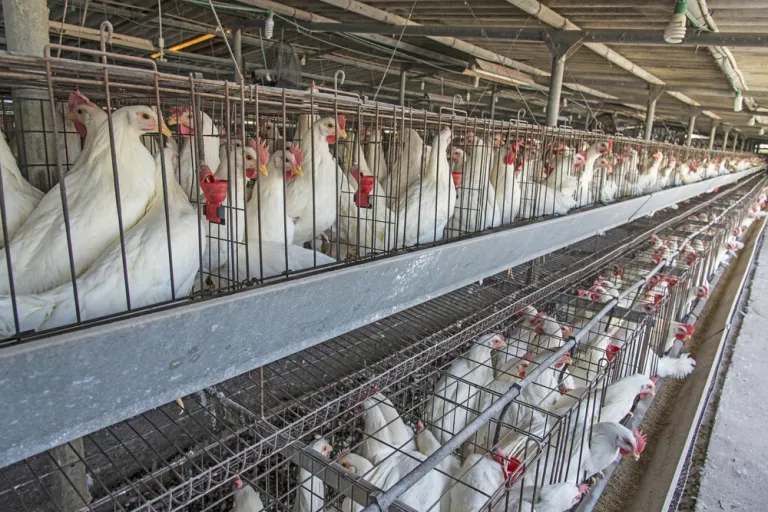
The chicken house plays a key role in the success of broiler farming. It's not just the chicks that need attention; the coop does too. You need to manage the coop well for your farm to succeed. A well-built coop, even a simple one, can produce quality broiler meat chickens. Here is how to manage a broiler chicken house properly:
Also read Signs to Look for When Choosing Fresh Broiler Chicken Meat
Contents
Stocking Density
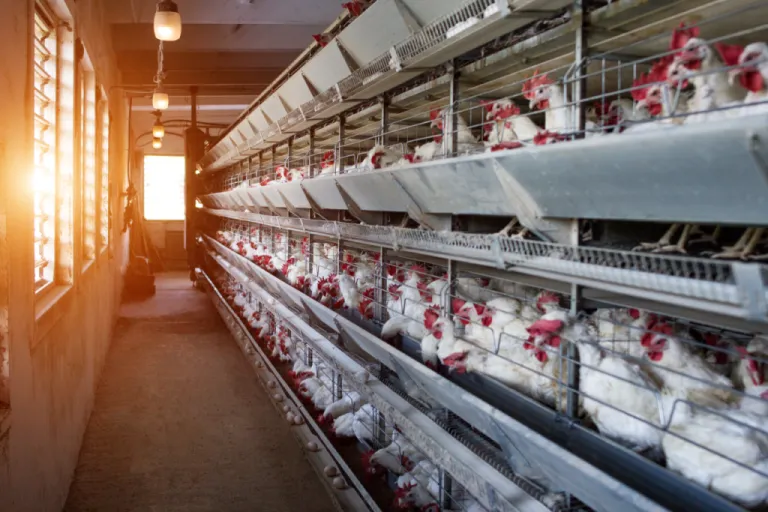
Before you start a broiler business, estimate how many chicks you will raise. The number of chicks is directly tied to how many coops you need to build. An overcrowded broiler house leaves the birds packed in and jostling for space. Crowding makes the air stuffy and reduces the chickens' appetite. The size or number of coops must match the number of chicks you plan to raise.
The ideal stocking density is 30 to 50 birds per square meter in the first week. In the second week the chicks grow quickly, so density has to be reduced to around 20 to 25 birds per square meter. In the third week, density drops to 10 to 20 birds.
Keep It Clean
The chicken house must also be clean. A clean coop keeps the birds more comfortable. For all the big potential of the broiler business, a dirty coop becomes a breeding ground for viruses and bacteria. Chicks will easily catch viruses or bacteria if the coop is not cleaned, especially during the vulnerable first 14 days. Clear chicken droppings from the coop twice a day, in the morning and in the afternoon. Once a week, clean the entire coop and then spray it with disinfectant.
Also read Successful Broiler Farmers Produce the Best-Quality Meat
Practical Layout
To manage your chicken house well, build a practical coop. Practical here means your chickens can reach their feeders and drinkers within less than 4 meters. The feeders and drinkers should be inside the coop. Check them regularly, twice a day. Dirty feeders or drinkers must be cleaned so the chickens don't develop digestive diseases.
Avoid a Damp Coop
People aren't the only ones who dislike damp weather or places; chickens don't like a damp coop either. A coop becomes damp when air doesn't circulate well inside and sunlight can't get in.
Why Good Broiler House Management Matters
When starting a meat chicken business, most people only think about which chicks are best to raise. The broiler house comes much further down the list. Yet coop planning and management are essential in chicken farming. The success of a broiler operation also depends on its coop. If the coop is poorly managed, birds will die from technical mistakes you make. A common management mistake is trying to raise too many chicks in a cramped coop. The size and area of the coop must match the number of chicks you plan to raise. Overcrowding pushes the temperature too high and leaves the chickens jostling one another.
Also read The Best Broiler Chicken Meat for Your Health
Those are a few tips for managing a broiler chicken house properly. We hope you find this information useful.