3 Tips for Choosing the Right Broiler Coop Size
Get your broiler coop size right with 3 practical tips on chick numbers, available land and bird age, including ideal stocking density per square meter.

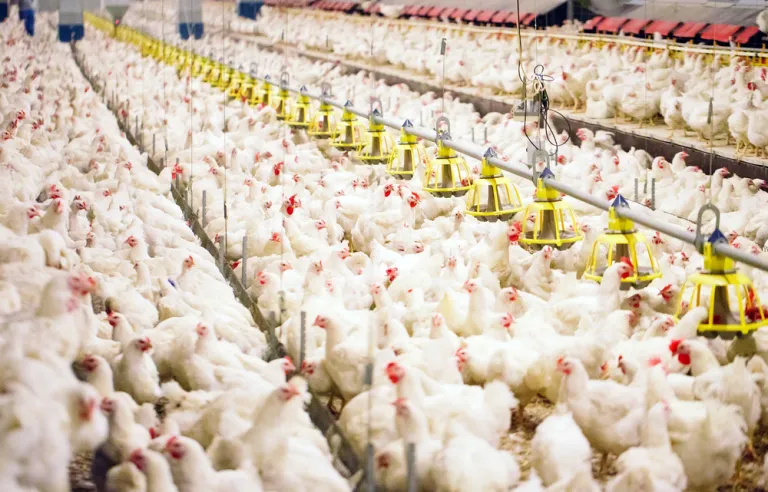
Broiler coop size has a major impact on a chicken farm, so farmers need to get it right. Avoid crowding the birds inside the coop, because overcrowding raises ammonia levels. High ammonia is very bad for the chickens' health, since it can reduce their appetite. Coop size also has to match the number of day-old chicks (DOC) you plan to raise. A cramped coop simply cannot house hundreds, let alone thousands, of chicks.
Choosing the Right Coop Size
There are several ways to determine the ideal broiler coop size:
Decide How Many DOC You Will Raise
The first tip is to decide how many chicks you will raise. The more DOC you raise, the larger the coop needs to be, compared with raising only a few. Ideally, 1 m2 of floor space holds no more than 60 chicks. The ideal minimum height is two meters. Farmers can count how many DOC they plan to raise and then work out the ideal coop area for that number.
Also read 5 Benefits of Eating Broiler Chicken Meat
Match the Coop to Your Land
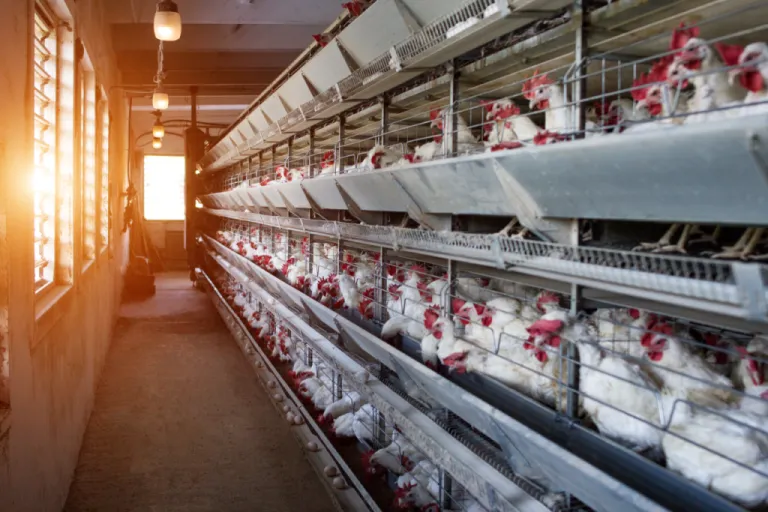
Even if you want a large coop, you cannot force it if your farm plot is small, because coop size also has to fit the land. If you want to raise many chicks on a small plot, consider a multi-level coop so you can house more birds.
The Age of the Chickens
Determining the ideal broiler coop size is not just about the number of chicks; you also need to plan for when the birds enter the grower and finisher phases. In the grower phase, the chickens need more space because their bodies grow rapidly. So as a farmer, it pays to think ahead: once the birds are bigger, will the coop still be the right size, or will you need an additional coop to house them all?
To deal with this, some farmers leave a fair amount of extra space in their coops in anticipation of the birds growing. Others add more coops to the farm to house all the chickens. When the chickens are 7 to 12 days old, the stocking density drops to just 40 birds per m2, and it keeps falling until harvest time.