5 Broiler Feed Management Tips for Higher Productivity
Broiler feed management drives 70% of a farm's success. Learn five tips on nutrition, feeding frequency, timing, feeders and water quality.

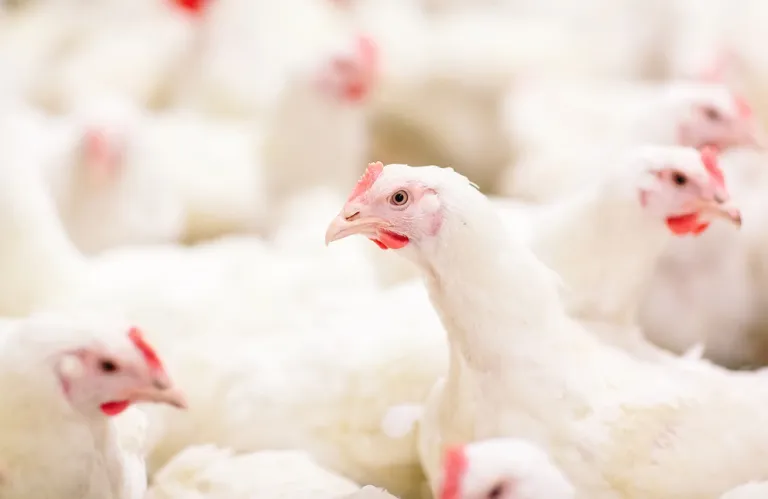
Feed is a key factor in raising broiler chickens. Some 70% of a broiler farm's success depends heavily on how the birds are fed. So poultry farmers should not settle for simply filling the birds up; they need to meet the chickens' nutritional needs so the birds gain weight and grow quickly. Whether the feed has been adequate will show at harvest time. If the chickens fall short of normal weight, something is wrong with the feed. If they reach normal weight or even hit the maximum, the feeding has been effective. Here are the broiler feed management practices you should pay attention to:
Nutrient-Rich Feed
The first rule of broiler feed management is to give nutrient-rich feed. It is not just about filling the birds up: the feed must be rich in carbohydrates, fat, minerals, protein and much more. Keep in mind that every growth phase has its own nutrient requirements. Do not give feed that does not match those requirements, especially while the birds are still day-old chicks (DOC). Pay close attention to the DOC stage, since it is one of the factors that determine the success of your chicken farm. Poor nutrition management will leave the chicks malnourished, and they will die.
Also read 4 Broiler Farming Challenges to Watch Out For
Feeding Frequency
Most of your costs go toward buying feed, because there is no fixed limit on feeding, especially for DOC, which must be fed continuously. Only once the birds reach the grower phase can you cut back on how often you feed them. Even when feeding continuously, give small amounts at a time so the feed does not get mixed with droppings. Chickens love to jostle for food, which makes it spill. That is why you should never put out too much feed at once.
On Schedule
Another important part of feed management is timing: feeding should be on time and on a fixed schedule. Chickens always remember when it is time to eat, and feeding them late can cause production to drop. Choose convenient times so that little feed goes to waste. Small, frequent feedings are recommended because they are more effective.
Also read 5 Broiler Chicken Traits You Should Know About
Feeders
Always check the chickens' feeders and drinkers. Clean feeders protect chickens from all kinds of disease-causing germs. Besides cleanliness, make sure you have an adequate number of feeders and drinkers, neither too many nor too few. Chickens crowd together when they eat and drink, so it is first come, first served. To make sure feed is distributed evenly, you need to know how many feeders the flock requires.
Maintain Water Quality
Water quality matters a great deal in feed management. Good water helps chickens digest nutrients properly, and poor water does the opposite. Give broilers clean water so they can break down nutrients well, which helps their bodies grow and gain weight quickly. You can also add chlorine to the drinking water for good sanitation, since chlorine kills germs and bacteria.
Also read 4 Broiler Farming Challenges to Watch Out For
Feed is a deciding factor in raising chickens successfully. If you decide to go into broiler farming, look up how to raise chickens properly. And manage your broiler feed well so your farm can be more productive.