5 Tips for Feeding Layer Chickens
Nearly 70% of a poultry farm's success depends on feed. Learn the best times, feed types and age-based rations for feeding layer chickens.

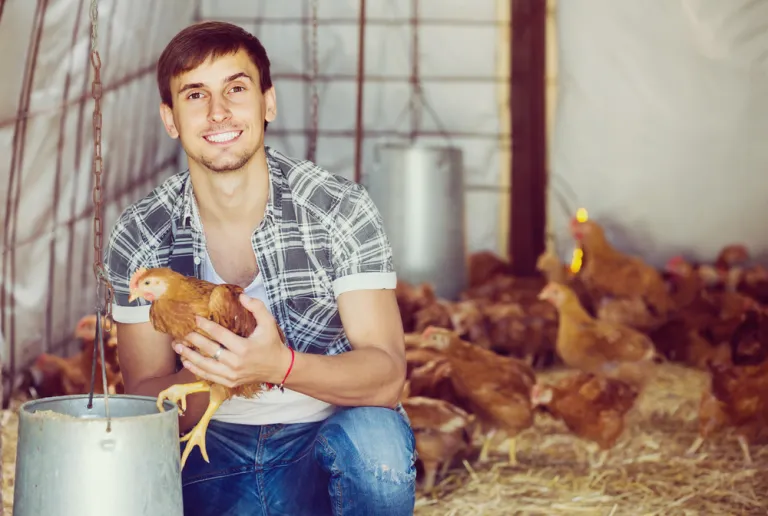
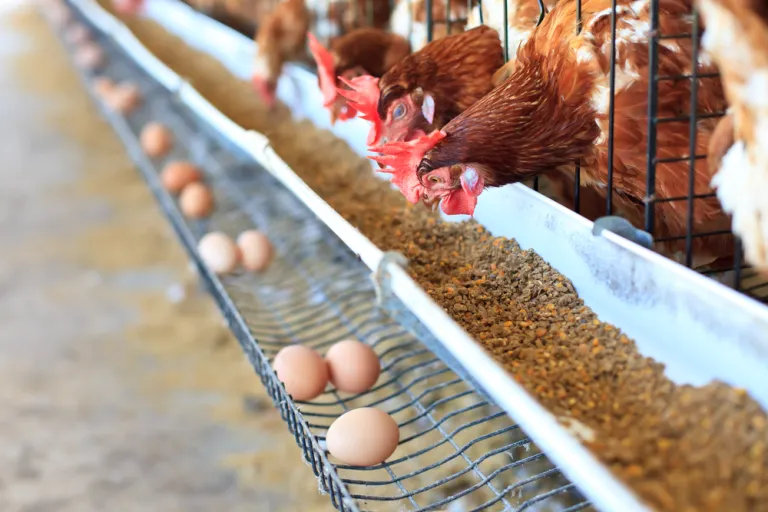
Feed is one of the key factors in running a successful chicken farm. Nearly 70% of a farm's success depends on the feed the birds receive, and so does their productivity. It is no surprise, then, that feed purchases take up a large share of a farm's spending. Besides providing an ideal coop, you also need to know how to feed your chickens properly. Here are some layer chicken feeding tips worth keeping in mind:
Also read 5 Signs of Good, High-Quality Layer Chicken Feed
Timing
Effective feeding is well-timed feeding. At certain times of day, chickens get hungry and eat larger portions. Morning and late afternoon are the right times to feed them, so do not skip feeding at those times. For chickens in tropical regions, however, feeding once a day in the late afternoon is enough. This is because chickens have a poor appetite at night due to night blindness.
Whole Grains
Many people ask what kind of feed suits chickens best: mash or whole grains? Basically, chickens love grains. They are natural grain eaters, and the shape of their beak is well suited to eating them. Every animal has its own beak shape that helps it find food. So give your layer chickens feed in grain form. If grains are hard to provide, you can feed a mix of mash and grains.
Also read 3 Feeding Tips to Make Sure Your Chickens Get Enough Nutrients
Bright Colors
Another layer chicken feeding tip is to offer brightly colored grains. This helps the chickens see, especially at night, because they can easily spot bright grains. Choose grains in different colors, such as red, yellow, green or black. That way, you do not have to guide the chickens to their feed.
Feed According to Age
The next way to feed layer chickens is to match the feed to their age. The amount of feed in the starter phase differs from the grower phase and the laying period, so you should adjust it accordingly. Nutrient requirements vary as well. For example, day-old chicks (DOC) and starter birds need more carbohydrates than birds in the grower phase or the laying period. Knowing the right nutrient levels helps keep layer chickens productive when harvest time arrives. The ration must contain carbohydrates, water, phosphorus, zinc and other nutrients, in percentages adjusted to the chickens' age.
Layer chickens have a limited productive period, and if it is not used to the fullest, the farm becomes less productive. Low productivity in layers shows up as fewer eggs or poorer egg quality, even though the hens have reached their productive age. If that happens, you need to evaluate your farm, and feed is one of the things to examine. Follow the layer chicken feeding tips above to make your hens more productive.
Also read 5 Layer Chicken Management Practices for High Productivity