3 Tips for Feeding Layer Chickens the Nutrition They Need
Feeding layer chickens well comes down to feed type, nutrition and portion size. Here are 3 practical tips for healthier, more productive hens.

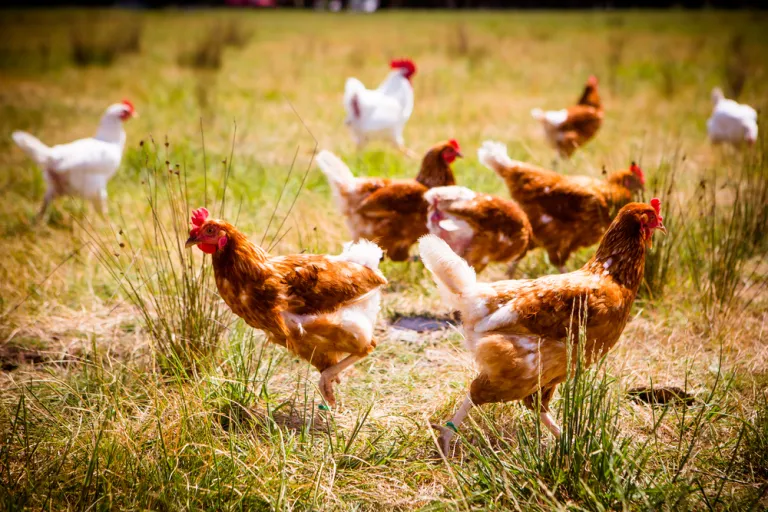
Layer chicken feed is one of the things that can make or break your success. Besides the coop, you need to pay close attention to what you feed these birds. Not every feed suits layer chickens, because they go through different periods. The laying period is the golden period, when the hens produce eggs. Layer chickens are raised for eggs, which people use for everything from baking cakes to making breakfast. At certain times egg prices climb sharply, for example during Lebaran (Eid al-Fitr), when demand for cookies and kue basah (traditional soft cakes) rises, and this is when layer farmers make their profit. Here is how to feed layer chickens the right way:
Also read Layer Chicks and the Nutritional Value of the Eggs They Produce
Types of Feed
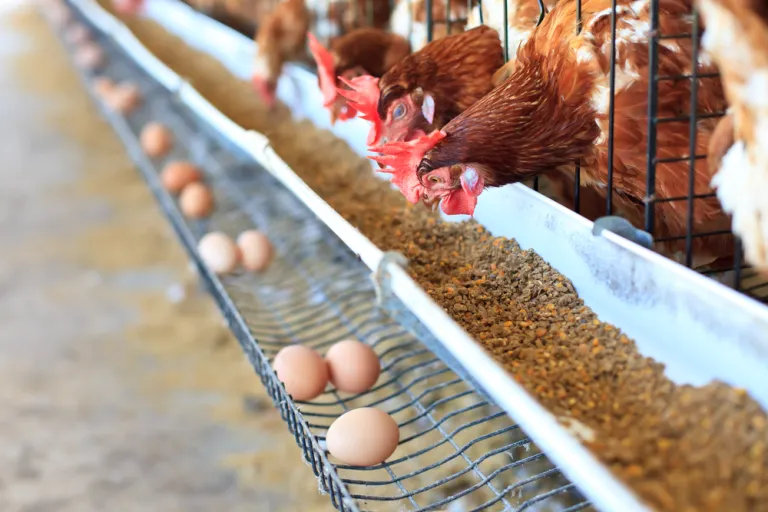
Layer feed should be matched to the type of feed. There are three types you can give layer chickens: ready-made commercial feed, mixed feed and organic feed. You can give each of them at different times. Commercial feed, for example, should only be given during the laying period, when the hens are ready to lay. However, commercial feed should not be given on its own; it has to be mixed with natural organic feed. Give it during the laying period, at 18 to 20 months of age. The second type is mixed feed, where you combine concentrate with organic feed. The last is organic feed. This is the healthiest option, and you can give it every day.
Enough Nutrition
The feed you give layer chickens must contain enough nutrients. Filling them up is not enough; their nutritional needs have to be met. Chicken feed should supply nutrients such as protein, minerals, carbohydrates, fat and a range of vitamins.
Also read Layer Chicks and the Nutritional Value of the Eggs They Produce
The Right Portions
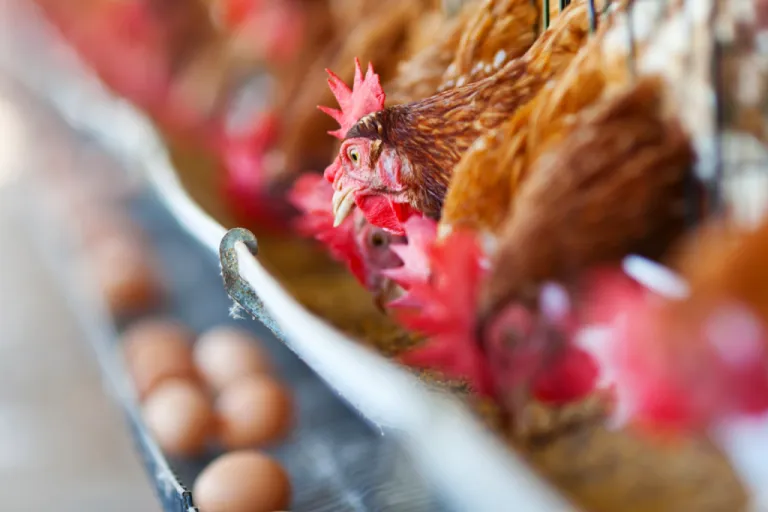
Good layer feeding means giving the right amount. Feed for layer chicks in the starter period, for example, is different from feed in the laying period. Also, don't overfeed. Remember not to feed too often. Twice a day is enough, once in the morning and once in the afternoon. Feeding too often can actually kill the birds. Pay attention to the water you give your layers as well. Change it often once it gets dirty, because dirty water can give chickens digestive problems.
Why Does Nutrition in Layer Feed Matter?
Just like people, chickens need food that is nutritious, not just filling. In humans, the nutrients in food support growth and development, while in chickens they help maintain productivity. Quality layer eggs are also the product of the nutrients in the feed. To meet your layers' nutritional needs, you can give them probiotics, which are very good for the chicken's digestive tract. Probiotics suppress harmful microbes, so fewer of them remain in the bird's body.
Also read 4 Tips for Choosing Fresh, High-Quality Broiler Chicken Meat
The quality of the chickens and eggs your farm produces depends on the nutrition you provide. The more nutritious the layer feed, the better the eggs, and the higher the productivity.