Layer Chicks and the Nutritional Value of the Eggs They Produce
Nutrient-rich eggs start with layer chicks (DOC) raised the right way. Learn what chicken eggs contain and how layer care shapes their quality.

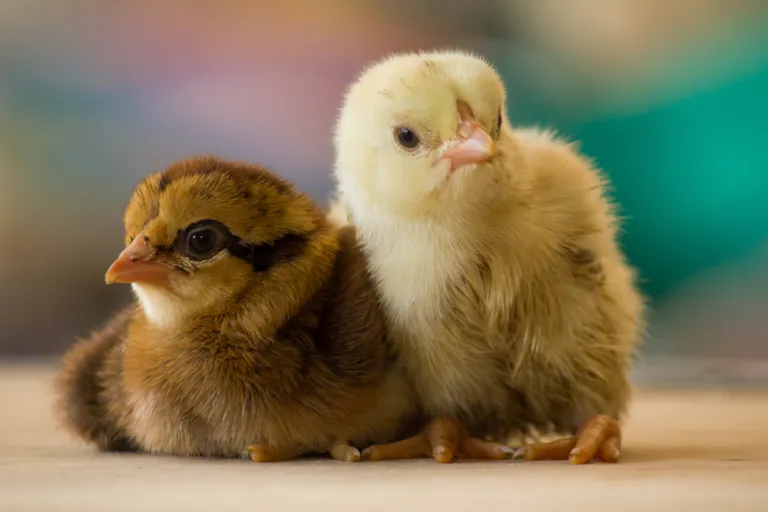
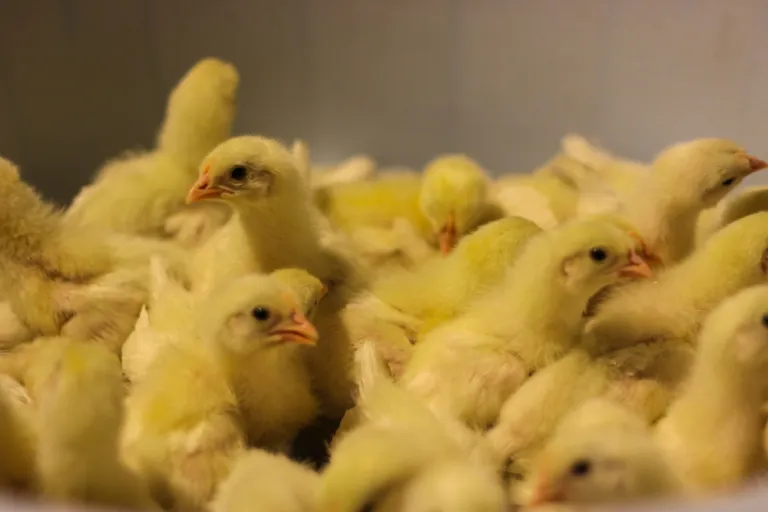
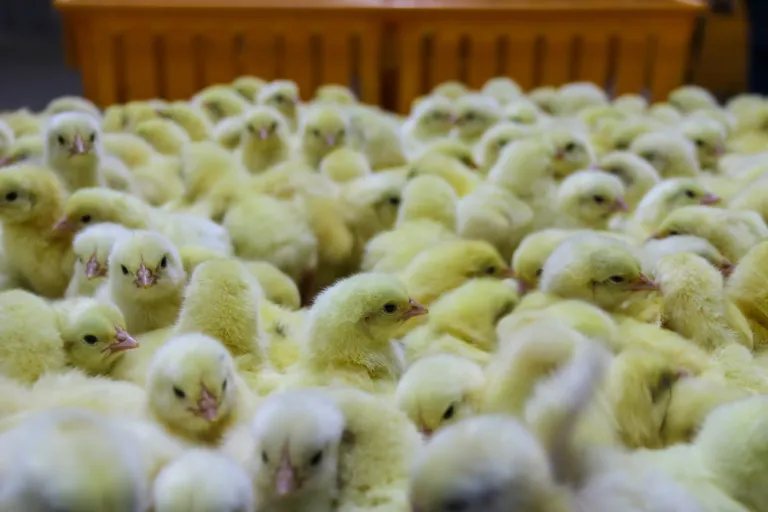
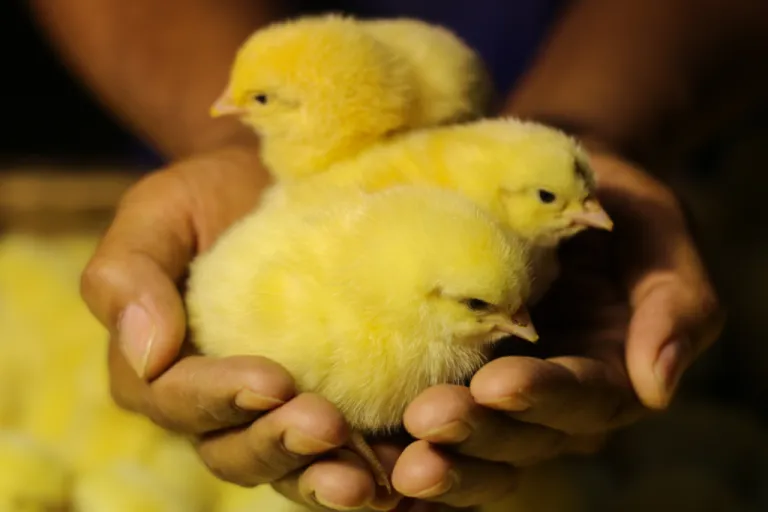
Eggs are easy to find and easy to cook into all kinds of dishes, from simple ones like telur ceplok (fried eggs) or dadar (omelets) to dishes with complex spice blends such as telur balado (eggs in spicy chili sauce) or kerak telor (a Betawi spiced egg-and-rice omelet). Their good taste also makes eggs one of the most popular daily sources of protein. Getting eggs with complete nutrition means paying attention to the condition of the laying hens that produce them. Quality eggs like these usually come from layer chicks (layer DOC) that are raised properly. This matters because these layer chicks must grow into hens that can produce quality eggs. Eggs are a natural source of protein that supplies almost all the amino acids the body needs.
Also read Essential Preparations Before Raising Layer Chicks
Besides protein, chicken eggs contain other nutrients. They provide fat, vitamins (A, B and D), as well as iron, folic acid and phosphorus, all of which support children's health and growth. These are the nutrients laying hens need to deliver consistently, which is why layer DOC must be raised well so the birds grow properly and lay good eggs too. Chicken eggs come in two types, depending on the hens that lay them: kampung chicken eggs (from kampung chicken, Indonesia's free-range native chicken) and commercial chicken eggs, known locally as telur ayam negeri. The eggs most Indonesian families eat are commercial chicken eggs, which are larger than kampung eggs and have brown shells. Kampung layer chicks, on the other hand, grow into hens that lay kampung chicken eggs, which many people believe help keep the body healthy.
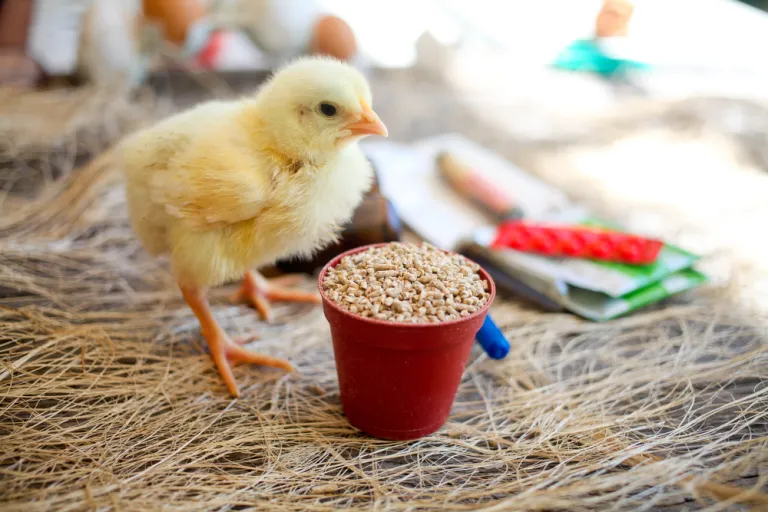
Raising kampung and commercial layer chicks is not very different. Kampung chickens are usually raised free-range on large plots of land, while commercial laying hens are kept in coops built to make it easy for farmers to collect the eggs at harvest time. Even with this small difference, both still need good, proper farm management and care so the layer chicks can grow and develop fully and lay eggs with the nutritional content needed to meet daily dietary needs.
Also read Understanding Day-Old Chicks to See the Future of the Chicken Business