5 Signs of Good, High-Quality Layer Chicken Feed
How to tell good layer chicken feed from bad: no clumps, no rancid smell, a clear expiration date and no discoloration, plus proper feeding tips.

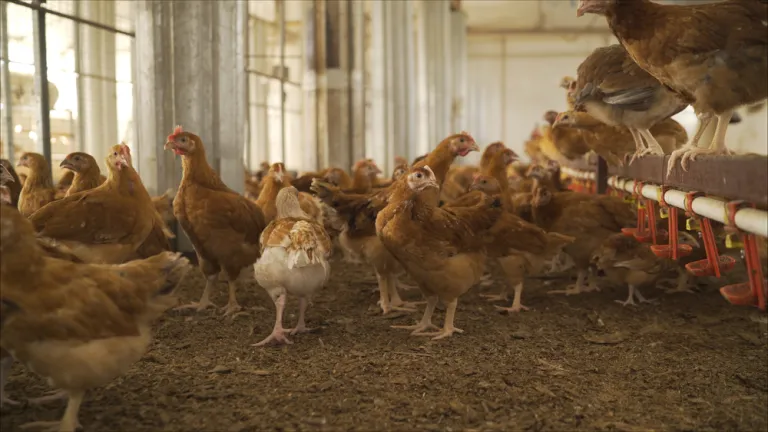
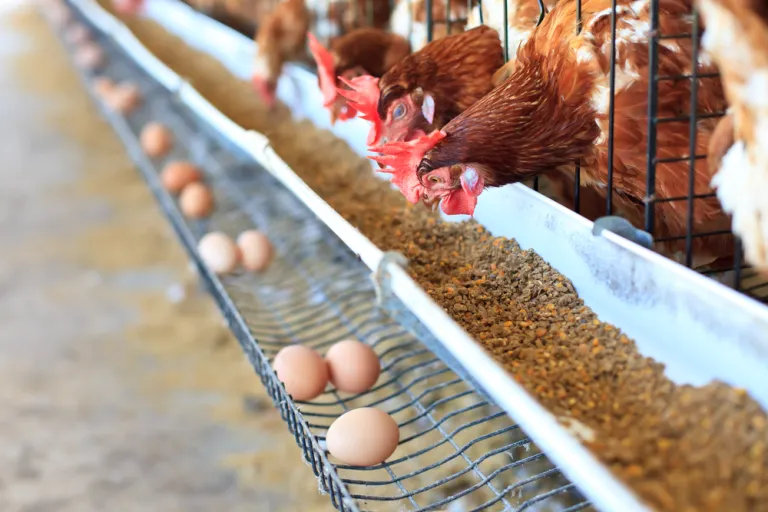
Layer chicken feed plays a key role in a successful chicken farm. The right feed and the right feeding routine can boost the productivity of your layer chickens. Many farmers only provide nutritious feed as the hens approach laying age, but a hen's productivity is actually shaped by how she is fed from the day-old chick (DOC) stage. Besides choosing quality feed, you also need to be able to tell which feed has gone bad and which is still in good condition. Even if a feed is claimed to offer complete, balanced nutrition, it won't do any good if its quality is poor. That's why you should choose chicken feed that is high quality, still in good condition and nutritionally complete. Here are the signs of layer chicken feed that is still in good condition:
Also read Broiler Carcass Weight: The Factors That Affect It
Contents
No Clumping
Quality layer chicken feed that is still in good condition does not clump. When feed has expired or is no longer fit to use, it clumps, especially mash feed. Feed in good condition breaks apart easily: if you stir it with your hand, none of it sticks together in lumps.
No Rancid Smell
One way to tell whether chicken feed is still in good condition is to smell it. Good feed has no off odors, such as a rotten or rancid smell. If you find chicken feed that smells rancid or rotten, it's a sign the feed is no longer fit to use. A rancid smell means mold or microbes are already growing in the feed, so if you keep feeding it to your chickens, they risk developing digestive diseases.
Has an Expiration Date
To buy quality chicken feed, choose feed that has an expiration date. Bulk chicken feed usually has no expiration date, so you have reason to be wary of its quality. Buy layer chicken feed that lists its expiration date so you know when it's no longer fit to use.
Also read 4 Broiler Farming Challenges Every Farmer Should Know
Discoloration
A sign that chicken feed has gone bad is a change in color. Feed that has turned slightly greenish has mold growing on it and is no longer good for chickens to eat.
How to Feed Layer Chickens Properly
Now that you know what good feed looks like, you need to know how to feed your chickens properly. Here's how to do it right:
Feed According to the Growth Stage
The first feeding tip is to match the feed to the chickens' age or growth stage. For example, chickens under 4 weeks old need a different type of feed from those over 4 weeks. During the first 4 weeks, chickens are in the starter stage, while after 4 weeks they enter the grower stage. In the starter stage, chickens need more nutrients to survive than in the grower stage.
Frequency
Feed only in the morning and late afternoon. Don't feed too often, and adjust the amount of feed to the growth stage, with the starter phase getting less than the other two stages.
Separate Roosters and Hens
When feeding, keep the hens and roosters in separate pens. The reason is that roosters eat more than hens, so the hens would go short on feed, which affects their productivity.
Also read 4 Ways to Make Layer Chickens More Productive
Chicken feed is a key factor in chicken farming, not just for layers but for nearly every type of chicken. So for your farm to succeed and run smoothly, pay attention to the condition of your layer chicken feed and adjust how you feed your flock.