What Are the Components of a Chicken Carcass? A Full Explanation
Learn the four chicken carcass components (muscle, bone, fat and skin), how poor handling damages them and how to spot spoiled parts.

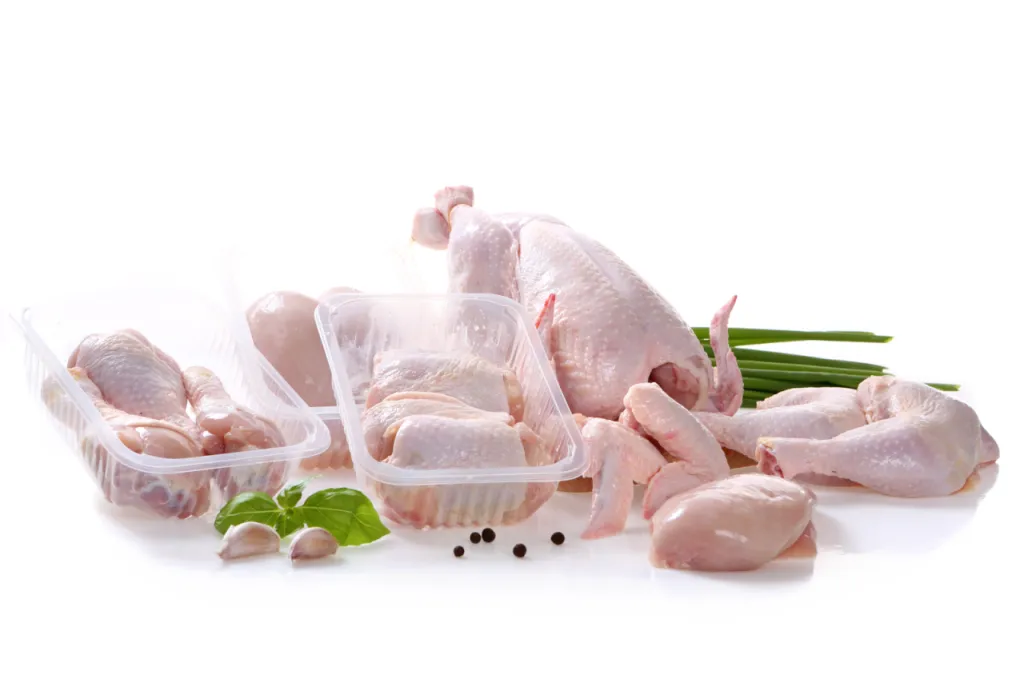
It is no secret that chicken carcasses, also known as dressed chickens, are a staple for households as well as for food businesses. As long as people love chicken and dishes made from it, this business will stay lucrative. To run a chicken carcass business properly, poultry farmers need to know which components make up a chicken carcass. Understanding these components helps you handle the carcass correctly so its parts are not damaged. So what are the components of a chicken carcass? Here is the explanation:
Muscle
The first component of a chicken carcass is muscle. Muscle is an important component because it is what moves the chicken's body. Healthy carcass meat can be recognized by its muscle, which is bluish with a slight greenish tint, while carcass meat in poor condition has slightly blackish muscle. Improper carcass handling damages the muscle; for example, a chicken slaughtered the wrong way will have damaged muscles and blood vessels in the neck.
Bone
Bone is the carcass component with the greatest effect on carcass weight: the heavier and bigger the bones, the heavier the carcass. Even so, fillets are sold boneless and are often used for steak, satay and many other dishes. Improper handling of the carcass, such as poor filleting or cutting technique, can damage the bones.
Also read What a Chicken Carcass Is and What Makes a Good One
Fat
Fat is another carcass component, and it affects both the flavor and the weight of the meat. It usually sits under the skin and is white with a slight yellow tint. The thicker the fat, the richer the meat tastes. To keep the fat from being damaged, handle the chicken carefully when processing it into a carcass. When filleting, use the correct technique so that not much fat is lost.
Skin
The next component of a chicken carcass is the skin. The thicker the skin, the heavier the carcass. Skin gives the meat a rich, savory flavor when cooked, and the chicken fat lies in the layer beneath it. The skin will be damaged if the farmer does not know how to cut a carcass properly, and poor filleting technique damages it as well.
What Do Chicken Parts in Good Condition Look Like?
Once farmers know the components of a chicken carcass, they also need to know what those parts look like when they are no longer in good condition. Any carcass component that has gone bad gives off a rotten smell and attracts swarms of flies. Damaged or spoiled parts also feel sticky and slimy to the touch. Their color differs too: spoiled chicken parts are darker than those still in good condition. Fresh skin, for example, is white with a slight yellow tint, while rotten skin turns a darker, blackish or deep purple color.
As a farmer, you should know not only the components of a chicken carcass but also how to handle them properly so they do not rot or spoil quickly.
Also read How to Improve Broiler Carcass Quality