2 Chicken Carcass Definitions and What Makes a Good One
A clear chicken carcass definition for sellers: what parts are removed, how it differs from ingkung, and what experts say shapes carcass quality.

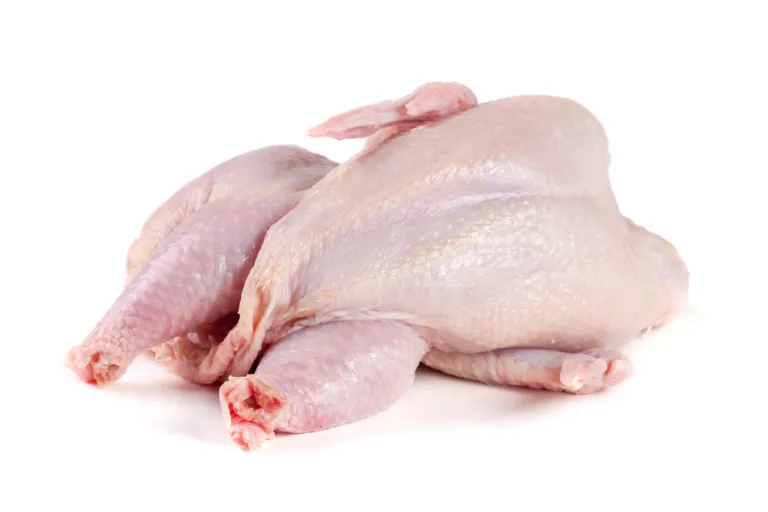
Many people have come across carcass meat, but few know what a chicken carcass actually is. A smart business tip is to know your product inside out, so you can convince customers that what you sell is truly high quality and worthwhile. The chicken carcass business is no exception.
To sell carcass meat well, you have to be able to explain what chicken carcass meat is. That way customers will trust you, because you can describe your product clearly. The first thing you need to learn is the definition of a chicken carcass. Once you understand it well, you can move on to other topics, such as cutting up chicken carcasses, running a carcass business efficiently and more.
Also read 6 Signs of a Quality Chicken Carcass, According to Ayamkita.com
What Is a Chicken Carcass?
When a customer asks what a chicken carcass is, you can explain that it is a whole chicken that has not been cut into pieces. It resembles ingkung (a whole chicken cooked intact, a Javanese ceremonial dish), except that the head and feet are removed. With ingkung, only the offal is taken out, while a carcass has its head, feet, intestines and other organs removed, particularly the lungs, gizzard and liver. A chicken carcass is also plucked, so it weighs much less than a live bird. Many home cooks choose carcass meat because it can be used for several meals, which saves them repeated trips to the market to buy meat.
Chicken Carcass Definition According to Experts
Several experts have studied chicken carcasses. They describe a carcass as the part of a bird that has been drained of blood and has no feathers, head, feet, neck or internal organs. Carcasses are also affected by abdominal fat, which comes from the energy and protein in the feed ration. The more energy and protein the birds take in, the more body fat they produce. If the energy and protein they get are low, their fat will be low as well.
Also read 7 Chicken Carcass Business Tips for Bigger Profits