6 Signs of a Quality Chicken Carcass, According to AyamKita
Spot a quality chicken carcass before you buy: check water content, skin, smell, bruising, bones and color to avoid unsafe or preserved meat.

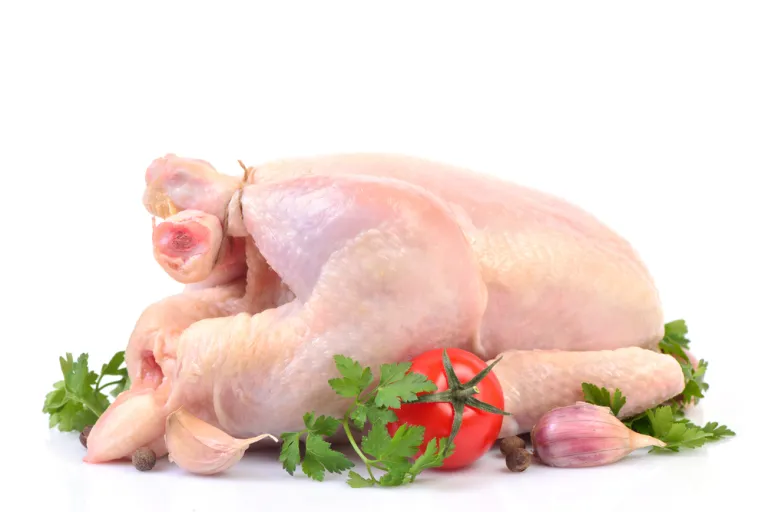
Chicken carcasses are a popular choice for home cooks because they are easier to store. You can easily find whole carcasses at malls or in traditional markets. Carcasses sold at malls are usually frozen, while those in traditional markets are still fresh. In fact, frozen or fresh, the nutritional content stays the same as long as the carcass comes from a quality bird. A broiler carcass doesn't need long cooking, or its texture will end up overcooked. Kampung chicken (Indonesian free-range native chicken) is different: it takes longer to cook than broiler because its meat is tougher. Whether it is broiler or kampung chicken, a carcass will make a delicious dish as long as the meat is good quality. Here is how to pick a quality chicken carcass:
Contents
The Meat Isn't Waterlogged
A good carcass doesn't hold too much water. Try pressing the meat: if a lot of water seeps out through the pores, you can be sure the chicken was given a lot of water before it was slaughtered. Chicken, fish and other meats do naturally contain water, but not so much that they spatter and pop when fried. Excess water cheats the buyer, since the chicken weighs more than it normally should.
Also read Calculating Broiler Chicken Carcass Yield Based on Specific Factors
Smooth, Glossy Skin
A carcass in good condition has smooth, glossy skin. The skin is still springy and its fibers are intact. In a rotten carcass, the fibers fall apart easily, making it unfit to eat. In chickens that hold too much water, the fibers are damaged too, so much of the skin is torn or misshapen.
It Smells Like Normal Meat
A fresh chicken carcass smells like ordinary fresh meat. If the meat has no smell at all, or smells rank, it is no longer fit to eat. It may come from a tiren chicken (one that died before slaughter) that has been treated with dangerous preservatives.
No Bruising
A chicken carcass in good condition is smooth, with no bruises on the skin. Bruising is one sign that the chicken died in an abnormal way. Bruises are caused by blood clotting inside the bird's blood vessels, usually after a blow from a hard object. That is why chickens that have been beaten or hit by a motor vehicle will have bruised areas on their bodies.
Also read How to Choose and Store a Chicken Carcass Properly
Firm Bones
A fresh carcass still has firm bones. Chickens that are beaten or struck by a hard object suffer bone damage. So be thorough when buying a carcass, and check the bones as well as the meat. You can judge the bones by the shape of the meat: if part of it looks misshapen, one possible cause is a damaged or deformed bone structure.
Color
Fresh carcass meat is white with a slight yellowish tint. If the meat is pale white and unusually springy, it has been treated with dangerous preservatives. Tiren meat, on the other hand, is blackish, and its color won't change even after preservatives are added. Once tiren meat has been cooked, it becomes hard to tell apart, because its color looks similar to fresh meat.
Also read 5 Tips for Choosing Cheap & Fresh Chicken Carcasses
To make healthy, delicious dishes, you need to choose a fresh chicken carcass. To avoid poor-quality meat, learn the signs of a fresh, quality chicken carcass.