How to Choose the Right Type of Broiler Chicken Feed
Compare broiler chicken feed types, from mash and crumbles to pellets and commercial feed, plus the signs of worms that stunt your birds' growth.

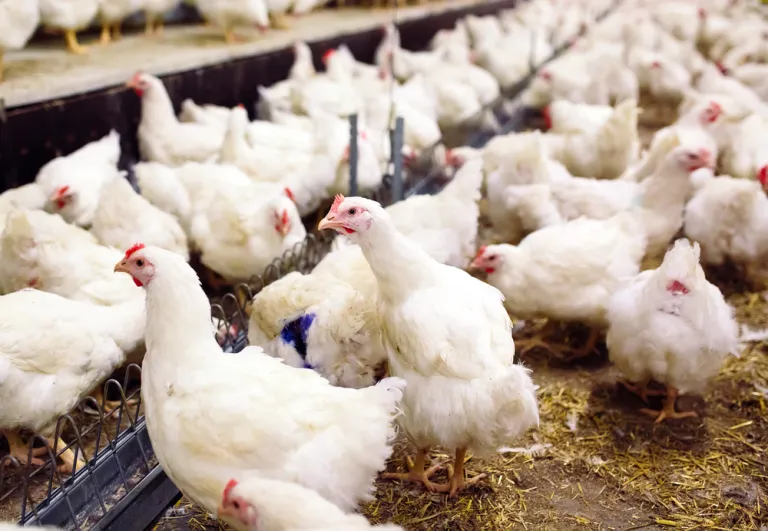
Feed is one of the most important parts of broiler farming. A broiler operation's success hinges on feeding and coop management, followed by vaccines and vitamins. If the feed and the coop don't meet standards, the farm won't be productive. Broilers that fill out and put on meat quickly do so because their nutritional needs are met. That is why you shouldn't just give your birds plenty of feed until they are full; the feed has to meet nutritional standards. Those nutrients are also what allow chickens to grow in line with their age. Here are the types of nutritious broiler chicken feed:
Mash
The first type of feed is mash, a finely ground, flour-like feed. It is very easy to make, since the process is simple and hassle-free. Besides being easy to make, it is also highly nutritious. To make sure the feed is rich in nutrients, start by choosing quality ingredients. For day-old chicks (DOC), mash is easy to digest because their digestive organs are not yet fully developed.
Also read 4 Requirements for Building a Chicken Coop to International Standards
Crumbles
The next type of broiler chicken feed you can give is crumbles. Unlike mash, crumbles are not ground completely, so the feed still contains small granules. This type of feed works very well for broilers because the birds can scratch at their food, which is natural chicken behavior. Besides being high in fiber, crumbles also improve the birds' digestion. In the grower stage, crumbles help the chickens grow and develop better.
Pellets
If you don't have time to make feed every day, you can make pellets. Pellets are used as feed for both chickens and fish; the difference lies in the ingredients. The advantage of pelleted feed is that it keeps for a long time without changing smell or losing nutrients, as long as it is stored properly. To give pellets a long shelf life, preservatives must be added during production and the pellets have to be made correctly.
Also read Choosing Broiler DOC and How It Affects Meat Quality
Commercial Feed
Another option for broiler chickens is factory-made feed. Some mills specialize in producing chicken feed, and many farmers use their products. The downside of this feed is its high price, which drives up costs, since feed accounts for most of what you spend. That is why it is strongly recommended that you manage your farm's finances carefully, so your chickens can grow to their full potential without feed costs ballooning.
Watch Out for Worms
Humans aren't the only ones who get worms; chickens do too. Worm infestation is a serious disease that farmers must deal with as quickly as possible, because left untreated it stunts the birds. No matter how much feed they eat or how nutritious it is, the chickens won't grow and develop properly. Here are the signs of worms in chickens to watch for:
- The chickens lose their appetite.
- The chickens eat well but show little growth.
- Growth slows down, and the birds may even become stunted.
- Watery droppings with whitish mucus.
- Drooping wings.
Several things can keep chickens from reaching their full growth potential, and disease is one of them. So if you believe you have been giving your broilers the right, nutritious feed but their growth still falls short of expectations, have your birds checked right away.
Also read What Is the Difference Between Kampung Chicken & Broiler Chicken Meat?