How Raising Meat Chickens Affects Their Quality
Chicken quality depends on the farmer

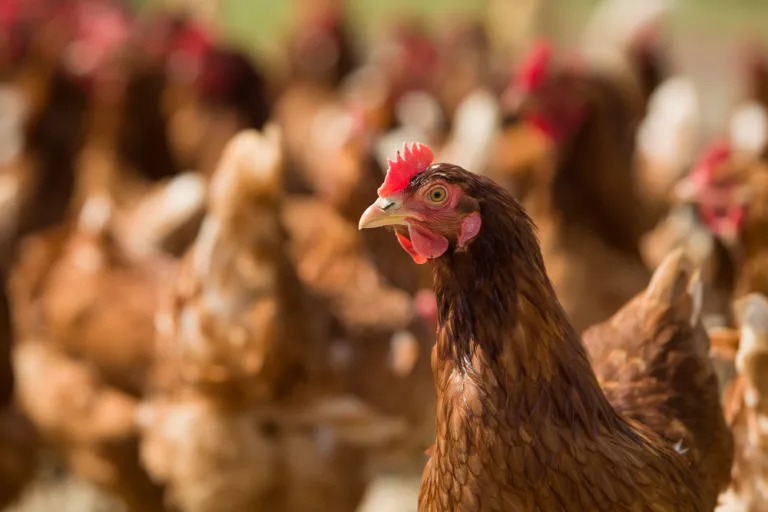
Demand for chicken meat at the market keeps rising as more and more people buy it. As a result, meat chicken farmers are now spread all across the country. But while plenty of farmers are supplying chicken meat, not all of them know how to raise meat chickens properly and in line with recommended practice. Yet the way meat chickens are raised is exactly what determines the quality of the flock in the end.
Meat chickens come in different varieties, such as kampung chickens (Indonesia's native free-range chickens) and commercial breeds. Kampung chickens are also called non-breed chickens (buras, short for bukan ras) and are often divided into wild and backyard kampung chickens. Commercial breed chickens include broilers, layer-strain cockerels and spent laying hens. All of these meat chickens differ in quality depending on how their farmers raise them.
Also read Chicken Farming Business: A Profitable Opportunity
Chickens raised with the right techniques turn out high in quality: healthy and disease-free, at the standard weight for their age, and yielding fresh meat. So what does a quality chicken from good farming practices look like? It has the texture of fresh chicken. And what is that texture? Fresh chicken has no red spots on the skin that gradually turn bluish over time. Fresh meat chicken also smells fresh. That fresh smell is the typical smell of chicken meat, with no rank, rotten or chemical odor such as formalin. If you find meat chicken at the market that smells rotten or of chemicals such as formalin, you can be sure it isn't fresh, and most likely the birds weren't raised properly, so the chicken is of low quality. Besides texture and smell, farming methods also affect meat quality, which shows in how firm the meat is. You can check that firmness in the wings, breast, drumsticks and thighs. You can tell how big the chicken meat portion is by measuring the length of the breastbone.
Also read Raising Kampung Chickens: Signs of a Healthy Flock