4 Tips for Choosing a Chicken Carcass in Good Condition
Learn how to choose a fresh chicken carcass by checking the meat, skin, fat and bones, so the dressed chicken you buy is fit to eat and full of flavor.

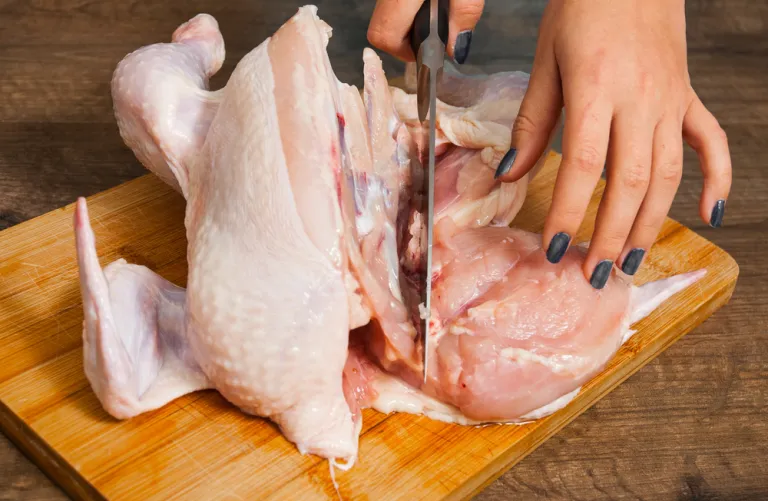
Many people do not know how to choose a chicken carcass. A chicken carcass (dressed chicken) is a slaughtered chicken that has been plucked of all its feathers, with the head and feet removed. The giblets have also been taken out. Many large supermarkets and traditional markets now sell chicken in carcass form, with the giblets, chicken feet and heads sold separately. If you have ever seen ingkung ayam (a whole chicken cooked intact, often for ceremonies), a carcass has the same shape, except that ingkung still has its head and feet. To get a perfect chicken carcass with meat in good condition, follow these tips for choosing one:
Also read Chicken Carcass Definitions & Terms You Should Know
Contents
The Chicken's Body
To get a carcass in good condition, choose a chicken with firm, dense meat. A firm body indicates the chicken is in good condition. A chicken in poor condition is different: its meat fibers fall apart easily and feel mushy, especially in the thighs, drumsticks, wings and breast.
The Skin
To tell whether a chicken carcass is still in good condition, look for skin with no bruises, no bluish tint and a yellowish color. If the chicken has been left out too long or preserved for quite a while, the skin usually changes. Watch the color of the skin closely; if it has changed like this, the carcass is no longer in good condition.
Also read 6 Ways to Raise Meat Chickens for Maximum Results
Fat
The next tip for choosing the right chicken carcass is to pick one whose fat still covers the whole body. The fat should still be springy and should not tear easily when pulled. Chicken that is no longer good has fat that has lost its springiness and tears very easily when pulled. That is a sign the carcass meat is no longer fit to eat.
The Bones
A carcass in good condition has bones that are still firmly attached to the meat. Bones that cling tightly to the meat show that the meat is still elastic and fit to eat. Chicken that is no longer fit to eat has lost elasticity, so the bones and meat no longer stick together firmly. Also check that none of the joints are broken. Take the drumstick, for example: when the bone is still firm and strong, the drumstick will not dangle. If a joint is broken, the drumstick will hang down, and when you lift the carcass it becomes very obvious that the bone is broken. Many things can cause broken joints, such as rough slaughtering, a chicken that was already injured, and so on.
Also read 5 Signs of Good, High-Quality Layer Chicken Feed
Chicken in carcass form is often used for special occasions, such as thanksgiving gatherings (syukuran) and memorials marking the anniversary of someone's death. So to get the flavor you want, you need to choose meat that is still in good condition. If you plan to store the chicken in the fridge, pick one in good condition so it stays good while preserved. If it is already unfit to eat from the start, it will certainly affect the flavor once cooked. Follow the tips above to get the best chicken carcass.