Understanding Whole Chicken Carcass Yield Calculations
Chicken carcass yield depends on bird age, sex, weight and gut fill. Learn how broiler carcass calculations work and which cuts sell best.

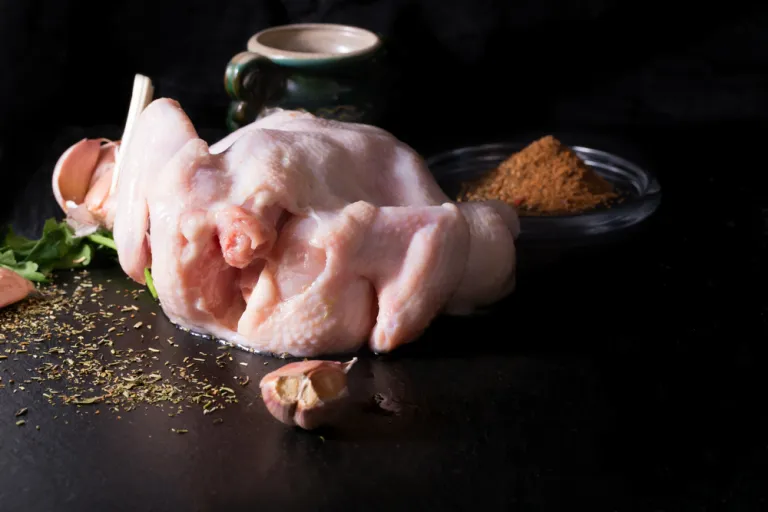
Chicken carcass yield is shaped by two things above all: the age of the bird at slaughter and the feed and water it received while it was raised as a broiler. A chicken processed before it has reached a proper age usually produces a smaller carcass than a bird that is ready for slaughter. A whole chicken carcass, sold in one piece, is a bird that has had its head and feet removed, been plucked and had its internal organs cleaned out. Carcasses usually come from broiler chickens raised to roughly 4–5 weeks of age. Carcass calculations generally start from market-ready broilers with an average live weight of 1.5 kg. When a chicken is processed into a carcass, its body weight drops by about 1/3 because the feathers, feet, claws, neck, head and giblets are separated from the meat.
Carcass calculations also differ by the sex of the bird. Female carcasses are usually larger than male carcasses. Separate calculations apply to the sellable cuts that tend to see rising demand, such as thighs, wings, drumsticks and breast. The cuts traded most widely are the meatiest ones: breast, thigh and drumstick. Bonier parts are sold as well, including the back, neck and wings, followed by the giblets, which include the liver, heart and gizzard. Giblets are also known as non-carcass parts and are sold separately from the carcass.
Also read How Successful Broiler Farmers Produce Top-Quality Meat
Besides sex, carcass weight is also affected by the amount of feed and water in the bird's digestive tract. The more feed and water left in the digestive tract, the lower the carcass percentage. Carcass yield also depends on the bird's age, large and thick skin, body shape and degree of fatness. Carcasses are usually taken from broilers with an average weight of about 1.5–2.0 kg that have reached 4–5 weeks of age. Plump broilers that are old enough to harvest generally have a high carcass yield, and their carcasses are thick and block-shaped. That is why the age at slaughter and body weight have such a strong effect on carcass yield. Birds slaughtered too young, weighing less than 1.5 kg, will have a lower carcass yield than mature birds with an average weight of 1.5 kg.