3 Ways to Calculate Chicken Carcass Weight Accurately
Learn how to calculate chicken carcass weight against live weight, how carcasses are dressed, and how sex, age, feathers and fat change the numbers.

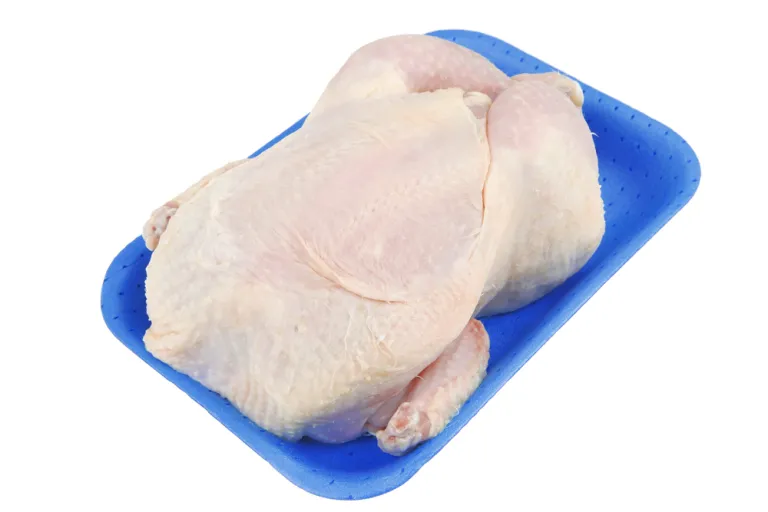
A chicken carcass weighs differently from the live bird. Poultry farmers need to understand why the weights differ, because accurate calculations let you work out how much income your farm generates. The head, feet and giblets, such as the intestines, liver and gizzard, are separated from the body. Chicken carcasses are usually bought for home use or as ater-ater (food gifts sent to relatives and neighbors) at celebrations such as weddings or the memorial held 1,000 days after someone's death. That is why the chicken carcass business can be so lucrative: demand is high.
Contents
Preparing Carcass Meat
Before learning how to calculate carcass weight, you need to know how to prepare carcass meat properly. An accurate carcass calculation starts with slaughter. When slaughtering, try to drain as much blood from the chicken as possible. Once the chicken is dead and most of the blood has drained, the body must be soaked in hot water. Scalding loosens the feathers so they are easy to pluck. Feathers account for a large share of a chicken's weight, so do not be surprised if the bird loses a lot of weight once it is plucked. Do not scald it for too long, or the carcass meat will start to cook.
After scalding comes plucking. Beginners in the carcass business can pluck by hand, while large-scale farms use machines. The final step is removing the giblets. Giblets such as the liver, gizzard and intestines, along with the head and feet, are cut off and separated from the carcass.
Also read 5 Ways to Boost Layer Chicken Productivity
Calculating Chicken Carcass Weight
Once the carcass meat is ready, you can start calculating. Here is how to calculate carcass weight correctly:
- To calculate carcass weight accurately, weigh the chicken carcass after it has been dressed and the giblets removed. Then compare the carcass weight with the bird's live weight.
- Do not forget to weigh the non-carcass parts as well, such as the intestines, liver, gizzard, feet and head. Once you have the carcass and non-carcass weights, record them, and the chicken is ready to sell.
- Calculating carcass weight is different from calculating the carcass percentage, which requires a more specific formula.
Factors That Affect Carcass Weight
Several factors affect chicken carcass weight, and they explain why one chicken weighs differently from another. Do not be surprised if a chicken that looks thin turns out to be fairly heavy compared with one that looks plump. Here are the factors that affect carcass weight:
Sex
A chicken's sex affects its carcass weight. Female carcasses are heavier than male ones because the breasts and thighs of hens develop rapidly as they grow.
Age
Slaughter chickens at the right age, neither too old nor too young. If your chickens are not old enough, their weight will be low. If broilers are slaughtered past the right age, the meat loses quality and becomes tough.
Feathers
A chicken that looks plump does not necessarily weigh more. One reason a chicken can look plump is thick, dense feathering. Once the bird is plucked, it loses a lot of weight.
Skin and Fat
Skin and fat also affect carcass weight. The thickness of the skin influences how much the carcass weighs: the thicker the skin, the more fat there is, and the heavier the carcass.
Also read How to Cut Up a Whole Chicken Carcass in 6 Steps
That covers how to calculate chicken carcass weight correctly and the factors that affect it. We hope you find this information useful.