7 Features of an Ideal Layer Chicken Coop for Higher Productivity
Build a layer chicken coop that keeps hens productive: 7 criteria covering coop type, size, feeders, airflow, sanitation, drying and budget.

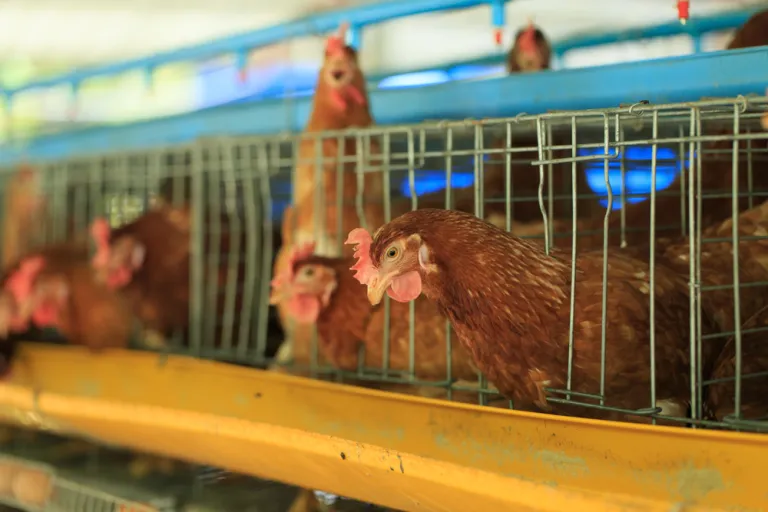
The coop is one of the key factors behind a layer flock's productivity. Productive hens lay more eggs, and better ones. But layer chickens don't stay productive forever: after a certain age their output falls off and they are culled. That productive window is your chance to collect plenty of high-quality eggs, and mistakes in how you raise the birds during this period will cost you money. One factor that plays a major role in layer productivity is the coop. Here are several criteria for an ideal layer chicken coop that will help raise your flock's productivity:
Also read 5 Proper Management Practices for Raising Layer Chickens
Contents
Choose the Right Type of Coop
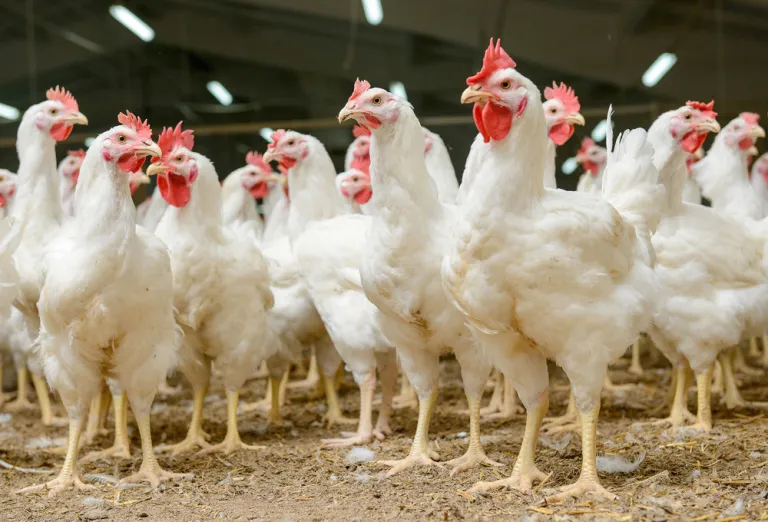
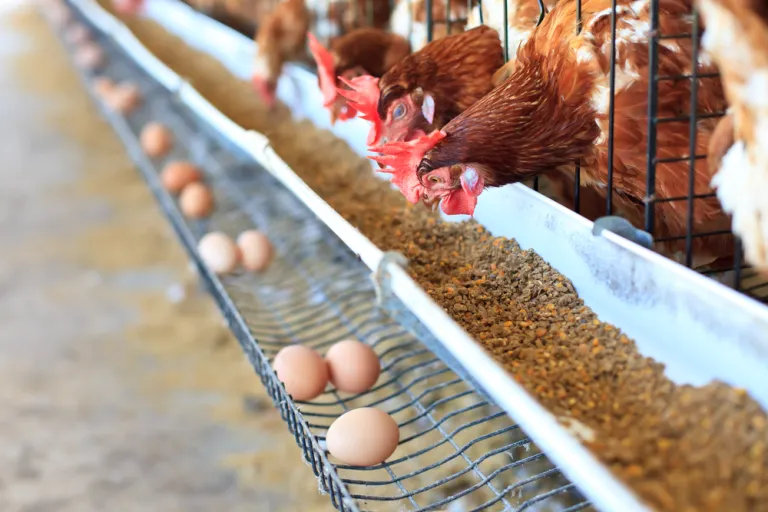
When raising layer chickens, you need to choose the right coop. Housing for broiler chickens is different from housing for layers, so you need to know what an ideal coop looks like for your farm. For layers in particular, the coop should make egg collection easy. That is why the back of the coop is built lower than the front, so the eggs are easier to collect.
Size
Besides choosing the right type of coop, you need to get the size right. A coop that is too cramped restricts the birds' movement. Before buying day-old chicks (DOC), work out how many you plan to buy and match that number to the size of your coop. Buying too many DOC leads to overcrowding, so the number you purchase should always fit the coop's capacity.
Feeders and Drinkers
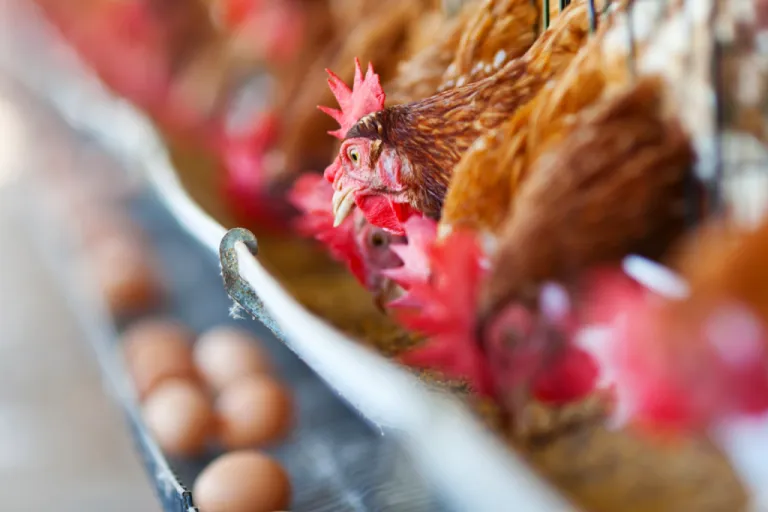
To make a layer chicken coop ideal, the feeders and drinkers should be tiered. Tiered feeders and drinkers let the hens reach their feed and water easily. Feed can go on the lower level, while water should sit above it. Check the feeders and drinkers every day so the water doesn't become contaminated with bacteria. Hens that drink contaminated water are prone to digestive problems.
Also read 5 Tips for Feeding Layer Chickens
Good Air Circulation
One requirement for an ideal chicken coop is good air exchange. Don't let the coop get stuffy, because stale air can reduce the hens' appetite. Once their appetite drops, the birds become more susceptible to disease, and that hurts your bottom line. And once they fall ill, the risk of losing birds rises.
Good Coop Sanitation
To make the coop even better, keep it properly sanitized. That means cleaning it every morning and afternoon, and once a week spraying it with a disinfectant that kills the germs and bacteria that can make chickens sick.
Drying the Coop
A damp coop is bad for the birds' growth and development, so it should be dried out first until it is completely dry and free of excess moisture. Coops made of bamboo in particular get damp very easily, so they need to be dried in the sun.
Fit It to Your Budget
An ideal layer coop also has to fit your budget. There are several suitable coop types for layer chickens, built from different materials, and those materials determine how much you will spend. To keep costs from ballooning, match your choice to the budget you have.
Also read Productive Hens & High-Quality, Nutrient-Rich Eggs
Those are a few tips to keep in mind when building an ideal layer chicken coop. We hope you find this information useful.