Layer Chicken Nutrition for Productive Hens and High-Quality Eggs
Good layer chicken nutrition means more, bigger eggs. Learn what chicks, growers and laying hens need: carbs, fat, protein, calcium and phosphorus.

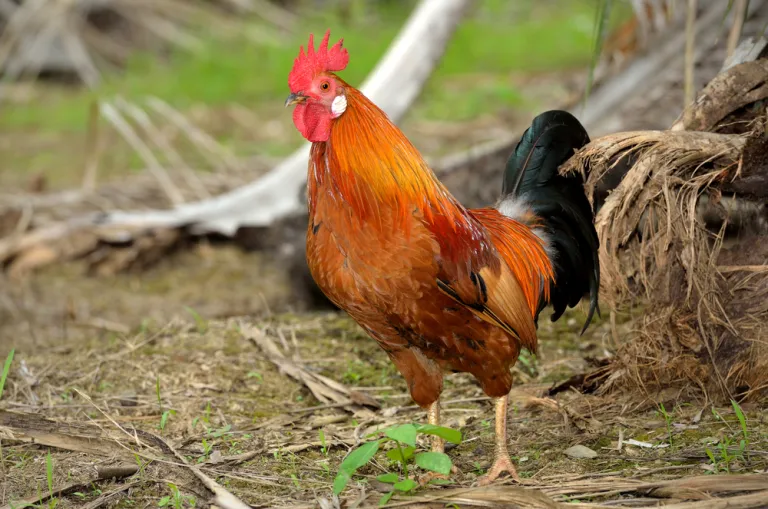
Nutrition is not only essential for human health; chickens need it to grow and develop too. People who lack proper nutrition get sick easily, and their growth and development suffer. Likewise, layer chickens that do not get enough nutrients become unproductive. To make chickens productive and their eggs high in quality, poultry farmers must pay close attention to nutrition when preparing rations. Some farmers believe it is enough to give chickens plenty of feed until they are full, but that is wrong. Even on small amounts of feed, chickens with a balanced diet can still grow and develop well, and they will be more productive too. Here is how to meet the nutritional needs of layer chickens:
Also read 3 Ways to Raise Kampung Chickens Well and Profitably
Provide Enough Carbohydrates
The first way to meet layer chickens' nutritional needs is to make sure they get enough carbohydrates. This nutrient is essential, especially during the starter period, because chicks at this stage need plenty of energy to survive. That is why the carbohydrate share in starter rations is higher than in the two periods that follow.
Fat
Fat serves as an energy reserve and also helps keep the body warm. Starter-phase chickens especially need fat to stay warm. Carbohydrates and fat both help chickens grow and develop to their full potential. During the starter period, nutrition must be maintained consistently so that few birds die. Deaths among day-old chicks (DOC) are one of the causes of losses on chicken farms, so besides preparing an ideal DOC coop, you must always make sure the chicks are well nourished.
Also read 4 Viral Diseases in Broiler DOC to Watch Out For
Grower Nutrition
Growers are chickens in their growth stage. In this phase, they need nutrients such as energy and protein. Protein at this stage helps build the cells in the chicken's body. Grower nutrition supports growth: not only does the body get bigger, but the bird also develops mentally. When chickens get the nutrients they need during this period, they avoid stress. Stress is the first thing that makes chickens lose their appetite, even though food is a major contributor to their health. Once chickens lose their appetite, all kinds of diseases can strike and the risk of death rises.
Laying Period
In this period the hens are ready to harvest, so the nutrition you provided in the two previous periods shows its results. If you fell short on nutrition in those earlier periods, the harvest will fall short too, with fewer and poorer-quality eggs. If you did provide the best possible nutrition earlier, you still need to keep up the hens' nutrient intake during this period. Laying hens need more nutrients, such as energy, fat, crude protein, calcium and phosphorus. Besides making hens more productive, all of these nutrients boost their metabolism.
Also read 5 Broiler Chicken Traits You Should Know About
To succeed with layer chickens, always pay attention to their nutrition. Healthy growth and development come from good nutrition. When hens are well nourished, they lay plenty of large eggs. When their nutritional needs are not met, many of their eggs will be defective.