6 Factors That Change Chicken Carcass Yield
Chicken carcass yield depends on sex, feed and water intake, skin, bones, offal and slaughter age. Learn why live weight and carcass weight differ.

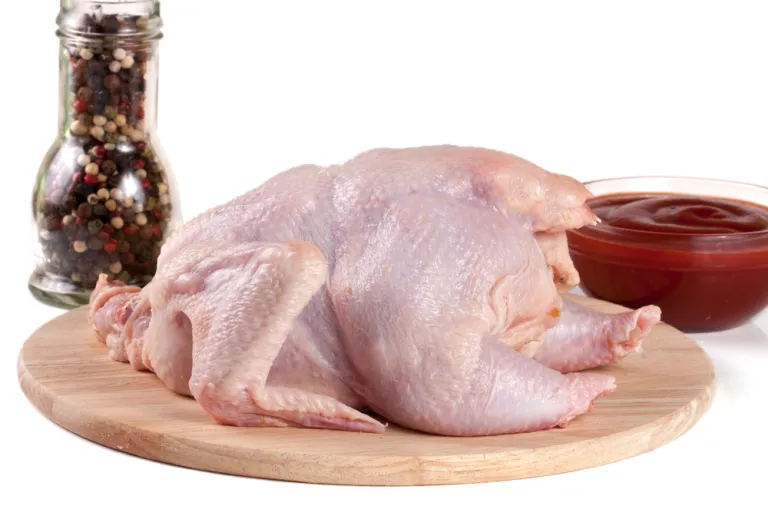
A chicken carcass (dressed chicken) and a live chicken are weighed differently, so it is very important for poultry farmers to know a bird's weight before slaughter and after it has been dressed. Beginners are often puzzled about why the carcass percentage drops or falls short of their expectations. A chicken with its internal organs, feet, head and feathers still attached can weigh up to 2 kilograms. Once it is turned into a carcass, that weight goes down because the internal organs, such as the intestines, liver and gizzard, are sold separately, and so are the feet and head. What remains of the carcass is the left and right wings, the left and right thighs and drumsticks, the left and right breasts, and so on. Here are some factors that affect chicken carcass yield that you should know:
Contents
Sex
The first factor that affects chicken carcass yield is sex. It is common knowledge that carcasses from male chickens are heavier than those from females. Male carcasses are larger because their thighs, wings, drumsticks and breasts grow and develop significantly. In female chickens, growth and development in those parts slows down, so their weight does not increase the way it does in males.
Also read Chicken Carcass Cut Names and How to Prepare Them Properly
Feed and Water
The next factor is feed and water. While on the farm, chickens consume feed and water. The more feed and water they consume while on the farm, the lower the carcass weight will be. The feed and water sit in the digestive tract and reduce the carcass value. A chicken that looks plump is not always full of meat; it may be full of water and feed.
Skin
Thick, plentiful skin makes the carcass weigh more. Why does thick skin increase carcass value? Because when carcass meat is sold at the market, the skin is not removed, so it is sold together with the skin. If the meat is sold skinless, the carcass weighs less. Under the skin lies a thick layer of fat, and that fat directly affects the carcass weight calculation.
Also read 4 Ways to Raise Broiler Chickens for Beginners
Bones
Bones also change the carcass weight. Chicken bones make the carcass heavier than boneless meat. Chicken fillets generally weigh less than bone-in meat. The bonier parts of the carcass are the back, neck and wings.
Offal
A chicken with its offal still inside weighs proportionally more than one without. Offal accounts for 7% of a chicken's weight, so once the liver, heart, gizzard and intestines are removed, the carcass weight goes down.
Age of the Chicken
The next factor is the chicken's age. Chickens slaughtered too early yield less meat than those slaughtered at the right age. That is why poultry farmers, especially broiler farmers, are strongly advised to slaughter their birds at the right age, neither too old nor too young. Chickens that are too old have tough meat, while chickens that are too young yield low meat weight.
Do not be surprised when a whole chicken and its carcass meat weigh differently on the scale. That is why you need to know the factors that cause chicken carcass yield to change.