5 Keys to Proper Broiler House Management
Broiler house management basics: avoid overcrowding, place feeders and drinkers well, add space as birds grow, control heat and choose the right roof.

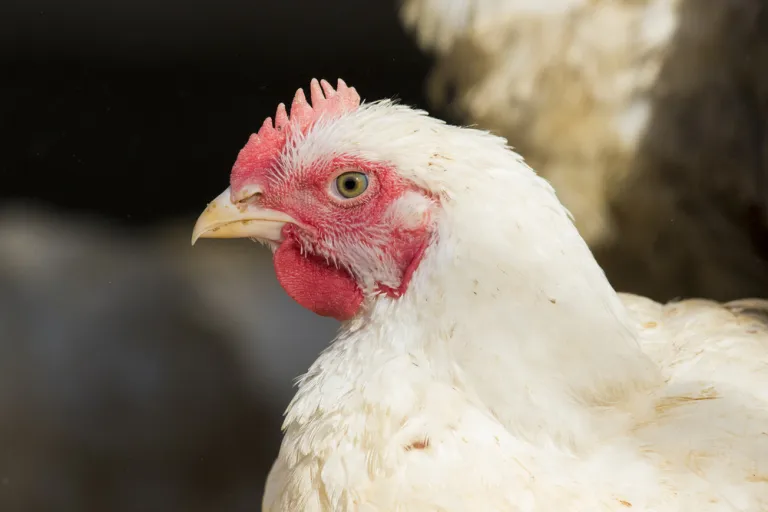
The broiler chicken house plays a key role in a farm's success. If the coop is built wrong, the chickens die easily, because they spend nearly every day inside it. That is why, once you decide to get into the broiler business, you are strongly advised to plan the coop first. How many chicks you buy also depends on the coop you build, because the number of broiler chicks must match the size of the house. To meet the standard, you need to understand good broiler house management, because the coop will be used from the start to the end of the rearing period.
Also read How to Build an Effective Broiler Chicken Farm
Broiler Chicken House Management
The coop must keep your chickens safe and comfortable. Pay close attention to coop hygiene, too, because an unhygienic coop can cause all kinds of diseases to break out. Here are the key points of chicken house management to get right:
Stocking Density
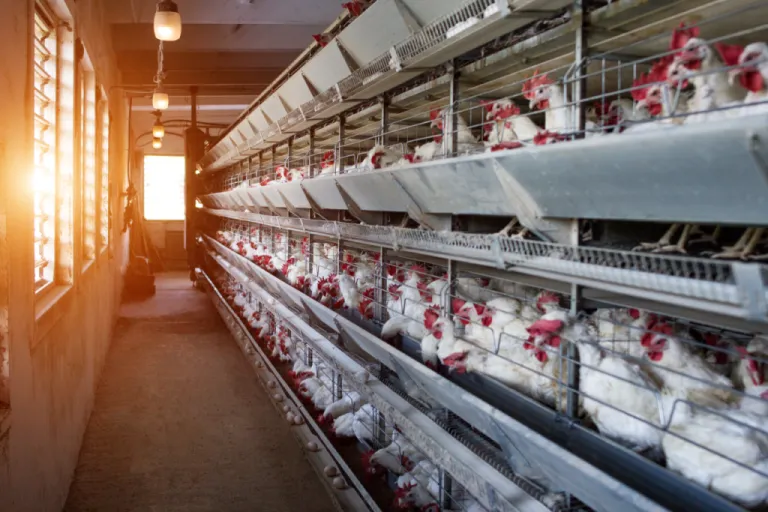
Buying the wrong number of chicks will make the coop overcrowded. Avoid overcrowding, because it makes chickens more prone to disease and reduces their appetite. That is why you should consult a coop builder who is truly competent in the field. Ask how much floor space is right for the number of day-old chicks (DOC) you plan to buy. For example, if you want to buy a certain number of DOC, ask what the ideal area is so the coop is not too crowded.
Well-Placed Feeders and Drinkers
Proper broiler house management means placing the feeders and drinkers strategically so they are easy to reach. Feeders and drinkers should be neither too close together nor too far apart, so the chickens can reach them easily.
Also read 4 Ways to Raise Broiler Chickens for Beginners
Bigger Birds Need a Bigger Coop
You need to consider how much coop space you need, because the requirements differ when the birds are DOC and when they are fully grown. Coops for the starter, grower and finisher periods are different. The bigger the chickens get, the more crowded the coop becomes, so the number of birds must be reduced.
The Right Temperature
Each growth stage needs a different temperature. Temperature is crucial to the chickens' survival in the coop. If the temperature is set wrong, the birds fall sick very easily. For DOC, it is very important to keep the coop warm. The temperature is lowered once the birds reach the grower and finisher stages. So do not keep the coop at the same temperature throughout.
Roof
Even the smallest parts of the coop, such as the roof, deserve careful attention. If you hand coop construction to someone without expertise, the roof may be built from the wrong material. The ideal chicken coop roof does not conduct heat. Avoid excessive heat during the day, because it makes the chickens unhealthy. Ideal roofing materials are clay tiles, rumbia (sago palm thatch) or woven coconut leaves. You should also check regularly whether rats could slip in through the roof.
Also read Chicken Carcass Cut Names and How to Prepare Them Properly
The coop is one of the factors that determine the success of a chicken farming business. Even if you give your chickens nutritious feed, their health can suffer if the coop does not meet the standard. Once their health suffers, the birds are at high risk of dying. So to make sure your broiler house meets the standard, follow the house management practices described above.