3 Ways to Prepare for Clean, Healthy Chicken Carcass Cuts
Get clean, healthy chicken carcass cuts with the right butcher knife, cutting board and gloves, plus how to avoid slipping meat and dull blades.

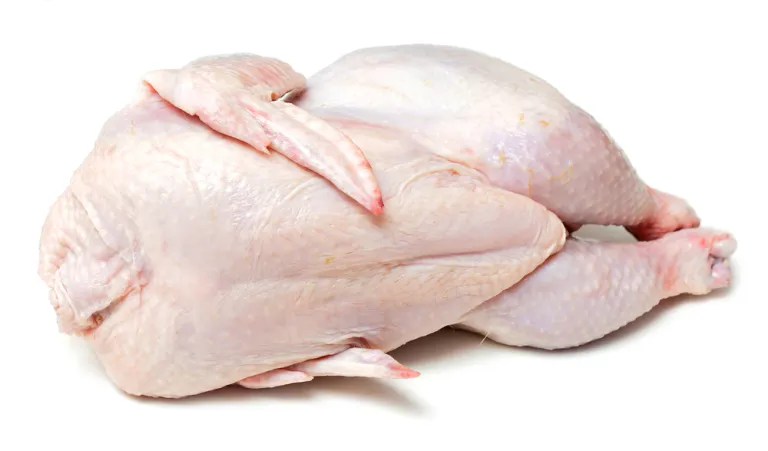
In the carcass business, you need to pay close attention to how chicken carcasses are cut. Some poultry farmers are highly skilled at raising chickens, yet few know how to cut a chicken carcass properly. The carcass business is still part of the chicken farming business. Where chicken farming sells live birds, the carcass business sells birds that have been slaughtered but are still whole. Cutting a carcass also takes technique; do it carelessly and the result won't meet customers' expectations. Some poultry farmers offer a carcass service, so they don't sell only live birds.
Cutting a Chicken Carcass
Before you cut a chicken carcass, you need to prepare a few things first. The aim is to make the cutting process easier and to make sure the cuts don't disappoint your customers. Here are the preparations for cleaner, healthier and easier chicken carcass cuts:
Also read 3 Accurate Ways to Calculate Chicken Carcass Yield
Use a Butcher Knife with a Sharp Edge
The first thing you need is a butcher knife. There are many kinds of knives on the Indonesian market, such as carving knives, fillet knives, butcher knives, kitchen knives and more. To cut a chicken carcass properly, use a butcher knife that is truly sharp. A knife like that cuts cleanly through the carcass muscle.
Cutting Board
You'll also need a cutting board to help you cut the chicken carcass. Without one, you won't be able to cut the carcass meat properly. Placing the carcass on a cutting board makes cutting much easier.
Gloves
You'll also need gloves. Hygiene is taken very seriously in chicken cutting, so the chicken that reaches the customer is free of bacteria. You can wear a glove on your left hand while your right hand holds the butcher knife. Then place the carcass on the cutting board and cut it to the customer's order.
Common Problems When Cutting Chicken Carcasses
When you cut a chicken carcass, several problems can come up during the process. To cut carcasses smoothly and cleanly, it's best to avoid these common problems. Here are the issues that usually come up when cutting carcass meat:
Also read How to Store Chicken Carcasses So They Stay Fresh
Slipping Meat
Chicken carcass pieces slip very easily, especially in the hands of a beginner. If you don't hold the meat firmly while cutting it on the board, it can easily slide off. As a result, the cuts come out uneven, and that will disappoint your customers.
A Dull Knife
Never ignore a dull butcher knife, because it will cost you. Before you set up your stall or start selling, test the knife first by cutting a banana stalk. If you can cut through the banana leaf stalk easily, the knife is still sharp; if you struggle, it has lost its edge. A dull butcher knife leaves carcass cuts ragged, with many scraps falling off, so customers lose out because the chicken ends up weighing less. Messy cuts also disappoint customers, especially when the carcass meat is meant for nasi box (boxed rice meals).
As a carcass meat business owner, you should give your customers the best service. Supply them with the best-quality carcass meat as well. Nutritious meat needs to be kept clean so it stays free of bacteria. The way to do that is to make all the necessary preparations before you cut a chicken carcass. Chicken carcasses cut with proper preparation produce meat that is cleaner and healthier to eat than carcasses cut without it.