5 Effective Layer Chicken Management Practices
Improve your layer chicken management with 5 effective practices: coop prep, DOC care, brooding, even feeding and ventilation for productive hens.

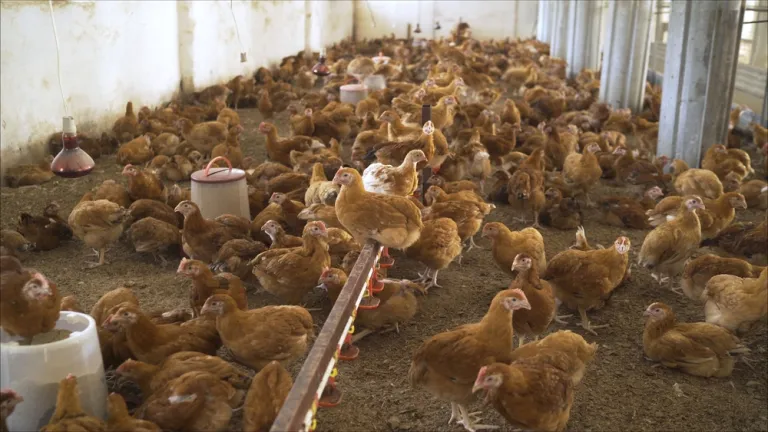
Every business needs good management. Poor management leads to losses. Every business owner needs to learn what sound business management looks like so losses can be kept to a minimum. The same goes for the laying hen business. Laying hens, or layer chickens, are raised for their eggs. The point of good management is to make the hens more productive so the farm turns a profit. Any business that involves living animals is harder than it looks, and it takes skill, knowledge and broad experience to succeed. If you're interested in going into the layer chicken farming business, here are effective layer chicken management practices to follow:
Contents
The Preparation Stage
The first layer chicken management practice is the preparation stage. Before you start raising laying hens, you need to prepare the coop and the equipment that supports the business. You'll need to set up the ideal coop for laying hens, which differs by growth phase. Layer chickens go through three phases: starter, grower and layer. Each phase has its own ideal coop.
Also read 7 Criteria for an Ideal Layer Chicken Coop That Keeps Hens Productive
The DOC Coop
The next thing to manage is the coop for day-old chicks (DOC). DOC are one of the keys to success in chicken farming. That's why it's important to know how to care for day-old chicks properly. If many of your chicks die, your business is at risk of failing, because fewer birds will grow up to lay eggs.
Why the Brooding Phase Matters
Day-old chicks need a brooding phase. This phase keeps the chicks warm even though they've been separated from the mother hen. During this phase you'll need a brooder heater placed inside the coop to keep the chicks' fragile bodies warm so they can survive.
Even Access to Feed and Water
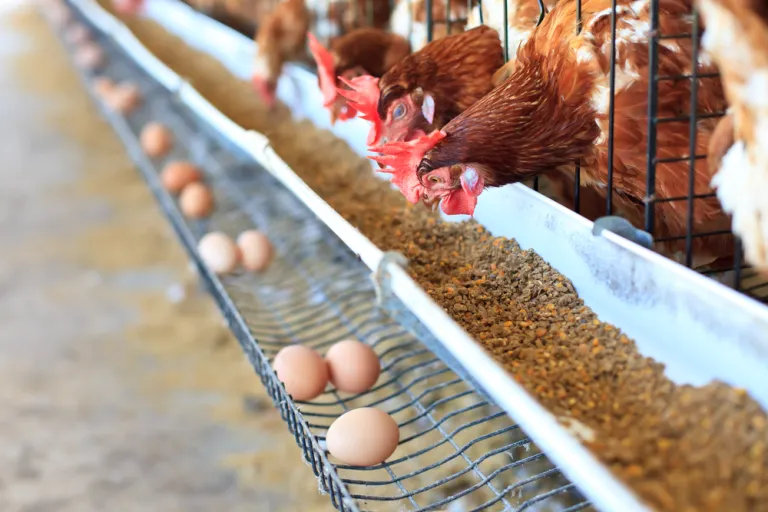
Feed and water must be distributed evenly. Feeders and drinkers should be spread across different corners of the coop so the hens can reach them easily. Keep in mind that as the birds get older, they need more feed and bigger feeders. Feed should also be given in regular portions; don't put out a large amount all at once, since that can leave feed uneaten. Check the drinkers regularly to make sure the water is still in good condition.
Also read 4 Ways to Build an Ideal Layer Chicken Coop
Why Ventilation Matters
Ventilation is another area that needs careful management. Ventilation is essential on a chicken farm because it keeps air moving freely through the coop. Ventilation settings differ for each phase, so you need to pay attention to the right setup for each one.
The Impact of Poor Layer Chicken Management
When your chicken farming business is poorly managed, you'll face several consequences. Here are the negative effects to watch out for:
Chicken Deaths
Poor farm management leads to many chicken deaths. For example, if you don't manage the brooding phase, many of your chicks will get chilled because the temperature is too low. As a result, many of them will die.
Rising Ammonia
Poor coop management can cause ammonia levels to rise, especially when coop ventilation is badly managed. Higher ammonia levels make the hens more prone to disease.
Uneven Productivity
If feed and water aren't distributed evenly, productivity across the flock will be uneven too. Hens that eat enough feed will be productive, and the reverse is also true.
Also read 5 Ways to Make Layer Chickens More Productive
Those are the layer chicken management practices you need to pay attention to. We hope this information helps.