How to Set Up a Chicken Coop for Day-Old Chicks
Set up a chicken coop for day-old chicks: enough space, a stable 25-33°C temperature, the right materials, feeders, drinkers and a heat lamp.

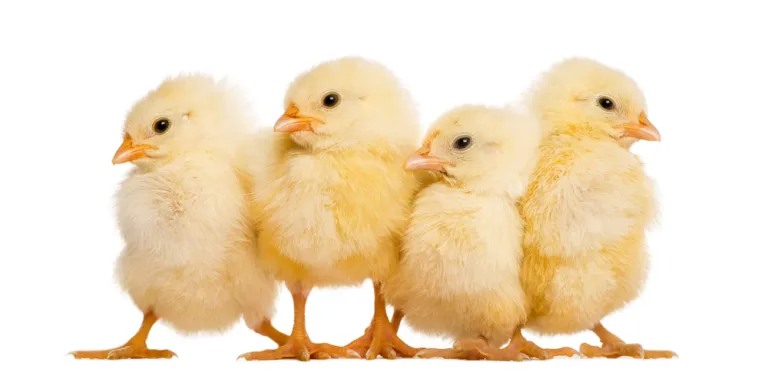
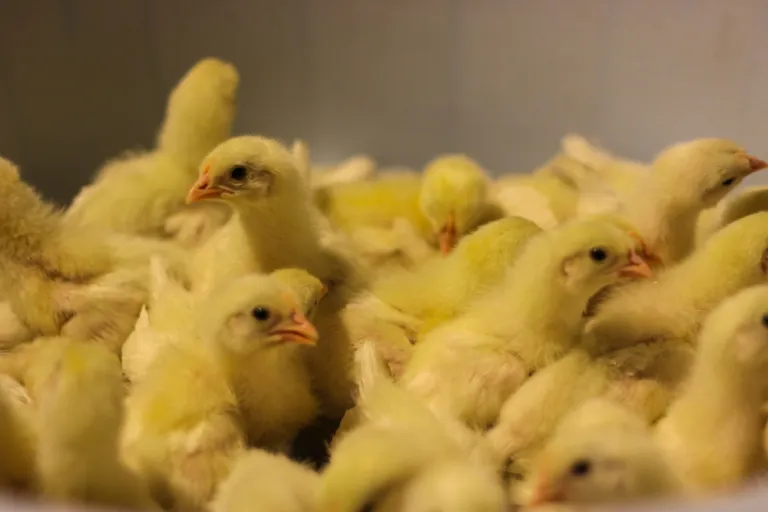
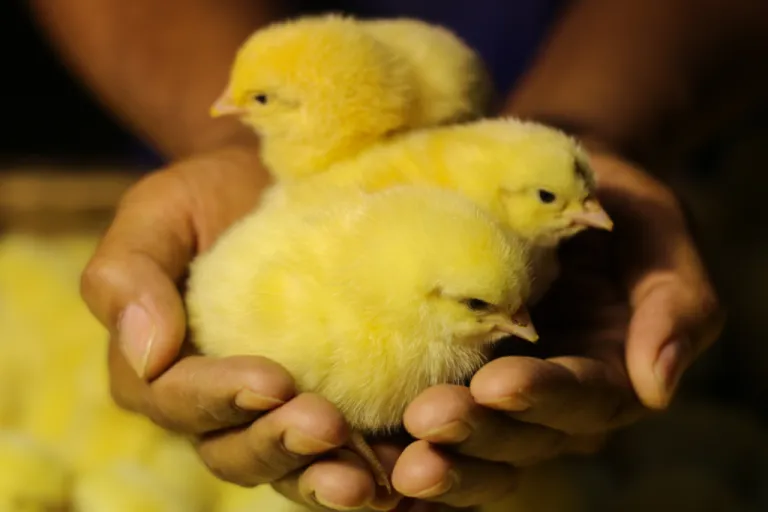
A coop for day-old chicks (DOC) has its own setup, from hatching through to the house where the chicks grow. Chick growth needs constant attention because day-old chicks are still very sensitive to changes in temperature and weather. That is why a chick coop needs good house management. Besides protecting chicks from changes in the surrounding temperature, the coop also protects them from predators. It is also where the chicks grow until they are fully grown. So besides being clean and safe, a chick coop has to keep the chicks comfortable so they can grow and develop to their full potential.
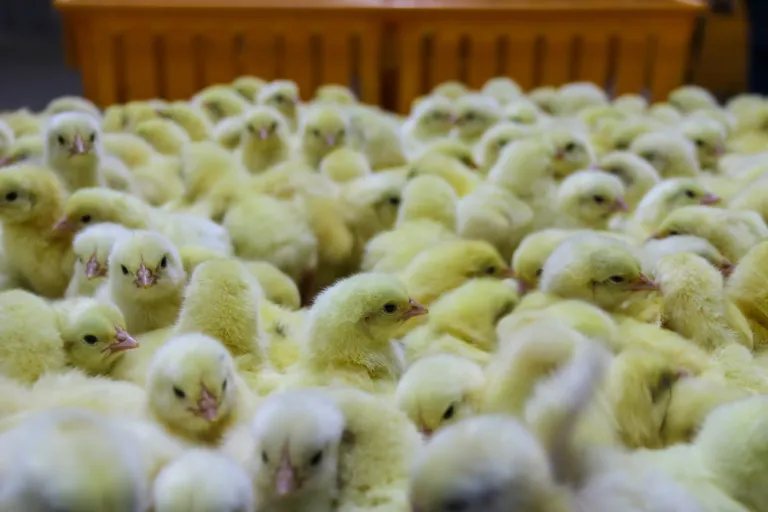
A chick coop needs enough space for the chicks to move around freely. An overcrowded chick coop will not have good air circulation, so the chicks will struggle to get fresh air. Overcrowding also raises the humidity inside, which pushes up the temperature. The temperature inside a chick coop should be between 25 and 33 degrees Celsius. It must stay stable, because a chick's body cannot yet produce the heat it needs, and chicks cannot yet cope with hot temperatures.
Also read A Simple Guide to Raising Kampung Chicken DOC
Pay attention to the coop structure as well, from building materials to construction. A chick coop can be built from plywood, wooden planks, cast concrete or bamboo. For the roof, you can choose tarpaulin, palm fiber, corrugated zinc, thatch or asbestos sheeting. The walls can be woven bamboo, bamboo slats, wire mesh or plywood. The floor should be flat and level so the chicks can stand and walk easily. It can be made of cement covered with a 5 cm layer of sawdust, rice husks and lime.
Raising day-old chicks also requires equipment inside the coop, such as feeders, drinkers and a heater.
- Feeders
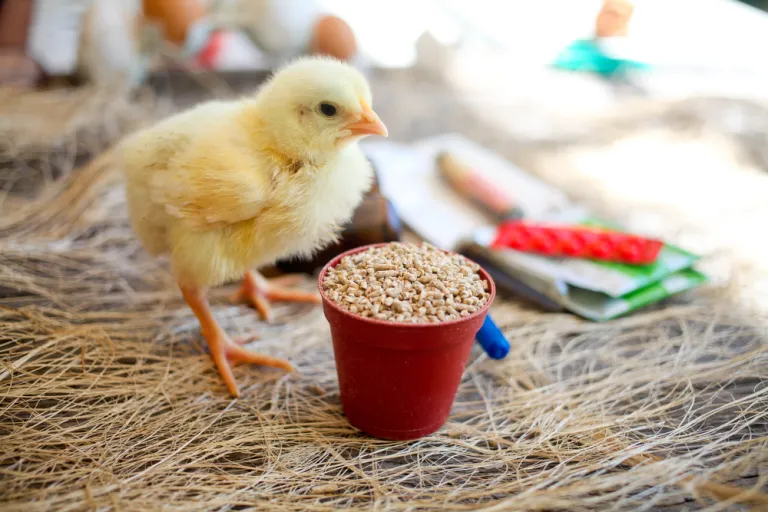
Feeders in a chick coop can be set out at a ratio of 2 feeders for every 20 chicks, meaning one feeder serves 10 chicks. For chicks aged 1–7 days, trays are usually used as feeders.
- Drinkers
Drinking water in a chick coop must be clean so the chicks do not easily catch viral diseases. Besides the water, the drinkers must be clean too. Clean the water and drinkers at least once every 2 days, and soak them in disinfectant if needed, to make sure the chicks' feeders and drinkers are truly sterile and free of germs, bacteria and viruses.
- Heater
Because a chick coop is usually separate from the mother hen's coop, the chicks need a heater to keep their bodies warm. A heat source that can stand in for the mother hen is a 25–60 watt incandescent bulb, adjusted to the ideal temperature for the chicks' age.