Why a Clean, Healthy Layer Chicken Coop Matters
A clean layer chicken coop keeps hens stress-free and laying. Tips on airflow, temperature, humidity and cleaning through dry and rainy seasons.

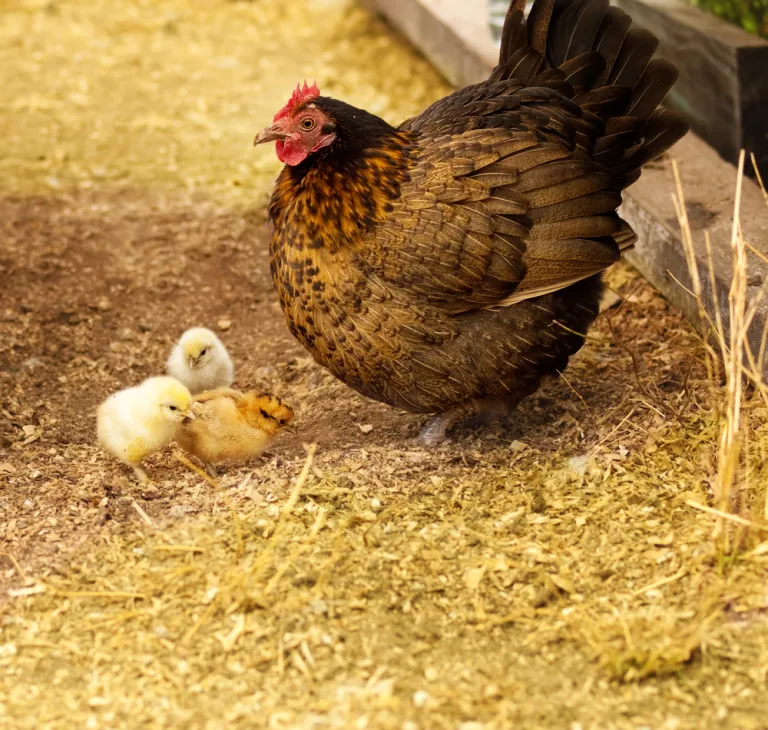
People are not the only ones who want a comfortable home. A layer chicken coop also has to be healthy and comfortable so the hens stay stress-free and can produce at their best. Laying hens get that comfort from well-managed temperature and air quality, humidity, light, access to water and feed, and every kind of protection that keeps them safe from the main threats to their survival. Proper coop construction also goes a long way toward helping hens live comfortably inside.
Temperature and air exchange in a layer coop need attention so the hens are neither too cold nor too hot and can breathe easily. Air circulation should bring clean air into the coop and push stale air out. Fresh air inside the coop makes the hens feel almost as if they were outdoors in the open. There should be no air pollution inside the coop either, so the birds can breathe truly fresh air.
Also read: How to Choose the Best Healthy Kampung Chicken DOC for Meat
During the dry season, the air around a layer coop tends to become very dry, and the temperature around the coop rises. In dry-season air, hens need to drink a lot of clean water. To cut down on hot air and harsh sunlight entering the coop, plant leafy trees around the outside. The coop floor and the yard around it can also be sprinkled with water to cool the temperature and air around the coop. Do not overcrowd a layer coop either, because a packed coop makes it hard for the hens to breathe.
When the air turns cold from rain that falls for days on end, humidity rises and the sun rarely appears. In these conditions the area around the coop usually gets cold. Cold air also makes the hens burn more nutrients, so they need more feed. Keep the coop dry even when it is wet outside from the rain. This keeps the coop clean and free of bacteria and germs, so the hens stay healthy. Any water that runs through a layer coop must keep flowing so there are no standing puddles.
During the transition season between the dry and rainy seasons, the weather tends to change suddenly. This often makes the surrounding temperature rise and fall quickly. If their condition and immunity are not good, laying hens can easily become stressed. As a result, they catch diseases more easily, which can leave them listless and off their feed. To keep the hens from falling ill, cleanliness must be a priority in managing a layer coop. Clean the coop regularly to keep it free of the bacteria and viruses that can cause deadly chicken diseases.
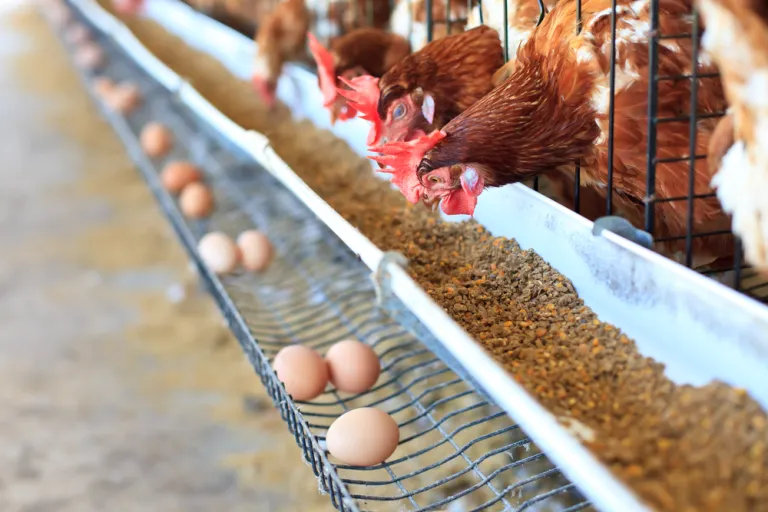
A clean coop is free of piled-up droppings and gets special attention in the form of disinfectant spraying during cleaning. Cleaning must be done regularly; do not wait until droppings pile up, so that bacteria and germs cannot multiply inside the coop. The coop is usually also where laying hens eat and drink, which is why it must always be clean so the feed and water are not contaminated by bacteria and viruses that threaten the birds' survival. A clean coop is the foundation of good health for laying hens, and a clean, healthy coop helps them become even more productive.
Also read 5 Strategies for Running a Successful Chicken Carcass Business