How to Start a Chicken Farming Business: What You Need to Prepare
Planning to start a chicken farming business? Here are 10 steps to prepare, from choosing breeds and chicks to coops, feed, vaccines and know-how.

Demand for chicken meat keeps growing every year, alongside the rise of restaurants that make chicken dishes their signature menu items. Beyond large restaurants, everything from simple eateries to home kitchens needs a steady supply of chicken for everyday meals. This is what makes chicken farming such a promising business. A chicken business can keep money flowing because demand for chicken never dries up. Market demand for chicken stays stable year-round and is even growing, so it is no surprise that chicken farming is a profitable business. Restaurants big and small that center their menus on chicken usually keep trying out new dishes, and this wide variety of chicken dishes boosts people's appetite for chicken.
Also read Why Is Kampung Chicken Farming So Popular?
When starting any business, capital is usually a key consideration. The starting capital we have usually gives a picture of the business model we can pursue, and it also helps determine the profit we will eventually make. Having a lot of capital does not guarantee success, because everything depends on how well the business is run. In the chicken farming business, there are several steps we can take to help it succeed:
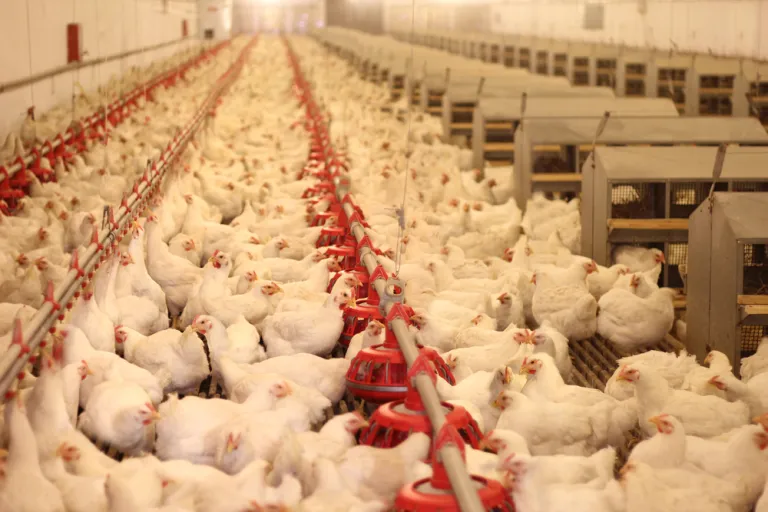
- Choose the type of chicken to raise based on your goals and the capital you have. You can choose to raise laying hens or broiler chickens. Keep in mind, though, that different types of chicken need different care.
- Choose chicks from a quality farm. Chicks from quality farms are bred to high quality standards, so they come out strong and healthy.
- Chicks must be delivered to the farm in special chick transport vehicles that are sanitized and keep the air temperature under control.
- The coop must also be well prepared. It should be an ideal size that suits the chickens' condition, and it should be adjusted as the birds age so they can grow well. Don't forget to keep the coop clean at all times to protect the chickens from disease.
- Make sure the air temperature is always stable and suits conditions in the coop, meaning neither too cold nor too warm.
- Chicken farmers must also keep an eye on coop equipment such as heat lamps, coop partitions, and feeders and drinkers.
- Choose chicken feed that matches the birds' nutritional needs. These needs differ at each stage of development. Chicks and adult chickens need different nutrients because their bodies develop differently. Chicks need nutrients to help them grow, while adult chickens usually need nutrients for egg formation in laying hens and for building thick meat in broilers.
- Feed on a regular schedule and in amounts that match the number of chickens in the coop. Never let the chickens run short of feed and water, as this can harm their health and development.
- Chickens also need regular vaccinations to stay healthy. Besides vaccines, farmed chickens can also be given antibiotics and vitamins.
- Once all of this is in place, farmers also need to keep learning about chicken farming to reduce potential risks, such as flock health risks or business risks.