Layer Chicken Nutrition: What Hens Need to Stay Productive
Layer chicken nutrition drives egg production. Learn how feed type, portions and feeding frequency should change with age, plus why vaccines matter.

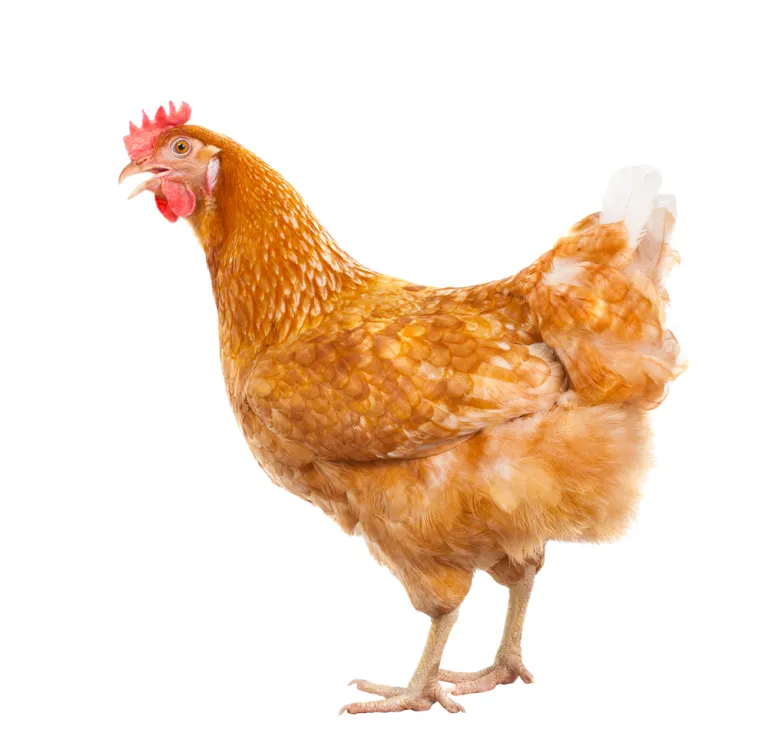
Chickens raised to produce eggs are usually called layer chickens. A layer's productive period is when it is younger than 18 months, and it usually ends when the hen reaches 15 – 20 months of age. After that, a layer's productivity drops sharply. To make layer chickens more productive, poultry farmers usually provide feed that meets their nutritional needs. These needs must be matched to the hens' condition and age so the nutrients are fully absorbed and the birds grow well. Feeding to meet these nutritional needs is best done under strict quality control so the quality of both the hens and their eggs is maintained.
This kind of quality control is usually carried out by the best farms, the ones that truly protect the quality of what they produce. Knowing a farm's quality matters because farm products must be handled properly from the time the chickens are being bred until the eggs reach consumers. When we know a farm's quality, we can be more confident that farm products such as the eggs we eat every day are fresh and healthy. The nutritional needs of egg-laying hens are also quality-controlled so that the hens producing the eggs are in good health. If the hens laying the eggs are unhealthy, it is quite possible that their eggs will not be fit to eat.
Also read Does Layer Coop Quality Really Affect Egg Quality?
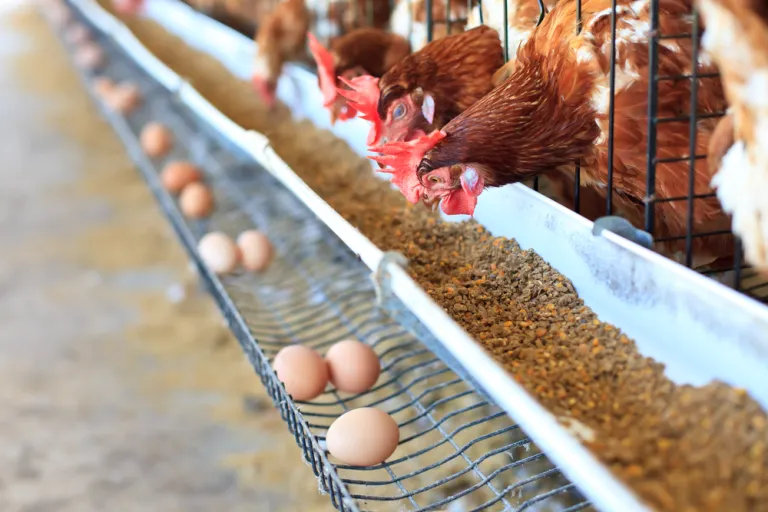
When feeding, several things must be matched to the layer's stage of growth: the type of feed, the portion size and the feeding frequency. These strongly affect a layer's nutrient intake, because its nutritional needs differ at each growth stage. During the productive period, layers need nutrients to support the development of their reproductive organs. So, good nutrition is essential for layers at this stage, as it helps with egg formation and makes the hens more productive. Layer chicken nutrition can be met with good feed that contains enough of the nutrients chickens need. High-quality layer feed also meets the nutritional needs of adult layers, because it helps keep egg production steady. That is why it is so important for farms to portion layer feed according to the hens' nutritional needs by age.
Also read How to Check Chicken Meat Quality Before You Buy
Most of a layer's nutrition does come from feed. Layer feed can be a mix of various livestock feed ingredients. There is also organic feed made from plants or grains that chickens naturally enjoy. The most important thing is that layer feed must be nutritionally balanced to support egg production. Chickens usually prefer layer feed in seed or grain form, because they are natural grain eaters. They also prefer brightly colored seeds or grains, such as red, green, yellow or orange ones.
When layer chickens' nutritional needs are monitored properly, the hens stay healthy and become more productive. Besides healthy feed, chickens also need vaccines to protect them from infectious diseases that can hurt their productivity. Vaccines can be given on a regular schedule so the birds build immunity against disease viruses.
Also read Choosing the Best Healthy Kampung Chicken DOC for the Table