How Layer Chicken Management Affects Egg Quality
Layer chicken management shapes egg quality. Learn the five factors that matter, from breeding stock and feeding to coop conditions and hygiene.

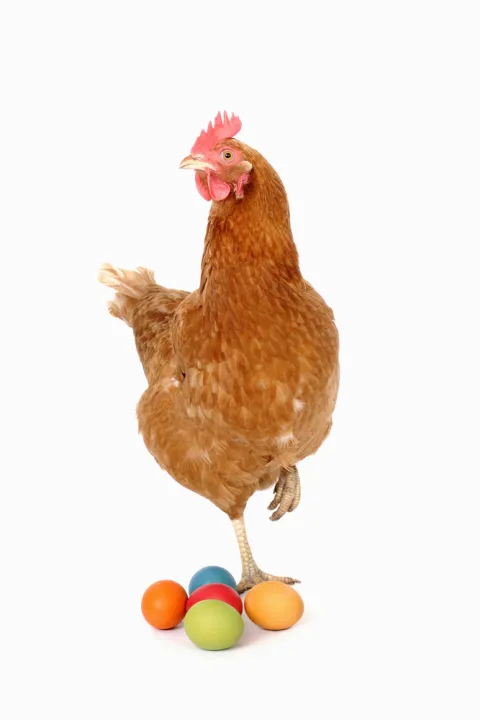
Eggs have become everyone's favorite source of protein because they are practical and can be cooked into all kinds of dishes. Ideally, you should eat one egg a day to help meet your daily nutritional needs. The nutritional content of an egg can go up or down depending on how it is handled from the time it is laid until it is cooked. Eggs that go through long storage and distribution usually suffer for it, whether through lost nutrients or lower quality. That is why it is important to get eggs directly from the best farms, so they are still fresh. Beyond that, how eggs are cooked also raises or lowers their nutritional value. The ingredients and seasonings used when cooking eggs can add to, or even strip away, the fat, protein and other nutrients in the egg.
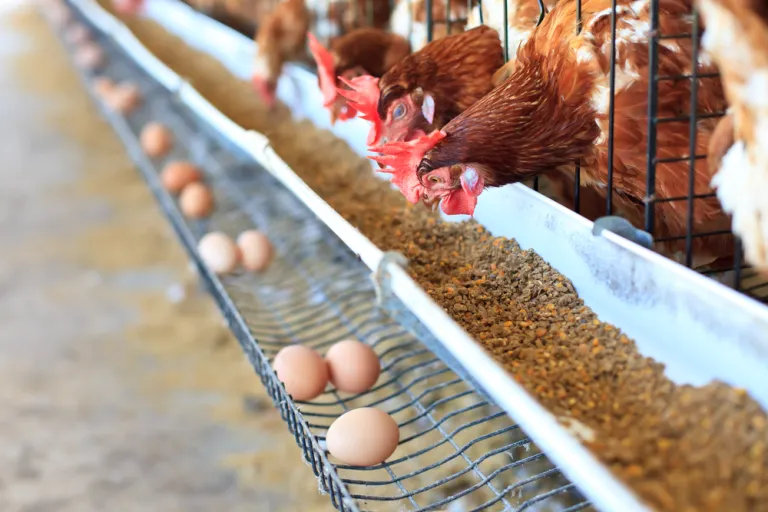
Another factor that affects egg quality is how layer chickens, or laying hens, are managed. Quality eggs generally come from layer chickens younger than 18 months. Layers usually start to become unproductive at 15 – 20 months of age, so egg production drops once they pass that age. Besides the hens' age, several other things need attention to maintain egg quality:
Also read Raising Healthy, High-Quality Kampung Chickens
- Choosing layer breeding stock
From the breeding stage, only top-quality layer chickens should be selected so they can later lay plenty of high-quality eggs. This is also where a layer's quality is decided: whether the bird will go on to lay many good eggs, or the opposite.
- Raising layer chicks
Layer chicks must be raised with proper coop management and suitable feed so their nutritional needs are met and they grow at a normal rate.
- Feeding
Feeding is another key part of layer chicken management. Feed must be given on a regular schedule and matched to the hens' age so they grow well. Feeders and drinkers must also be kept clean so the chickens do not easily fall ill.
Also read Why You Should Not Pick Kampung Chicken DOC at Random
- Coop conditions
The coop building, temperature, lighting and stocking density all need attention, because they also affect the growth and health of layer chickens. A coop that is overcrowded and poorly lit is not a fit place for layers to live.
- Coop cleanliness and health
A clean coop protects the health of layer chickens, which spend most of their time inside it. Coop health can be maintained by applying disinfectant regularly whenever the coop is cleaned.
By following these layer management practices, you can be confident the eggs produced will be of good quality. If any one of these key areas is poorly managed, the chickens will not grow and develop well, and egg quality will suffer. This is why layer chicken management must be well organized: it helps determine the quality of both the laying hens and their eggs. So we should choose carefully and buy from farms that apply strict quality control from layer breeding stock all the way to egg storage, so the farm products we get are truly fresh and fit to eat.
Also read The Benefits of Eating Farm-Raised Broiler Chicken