6 Tips for Building an Ideal Coop for Day-Old Chicks
Build the right coop for day-old chicks with 6 tips on size, orientation, location, warmth, feeders and drinkers, and keeping ammonia under control.

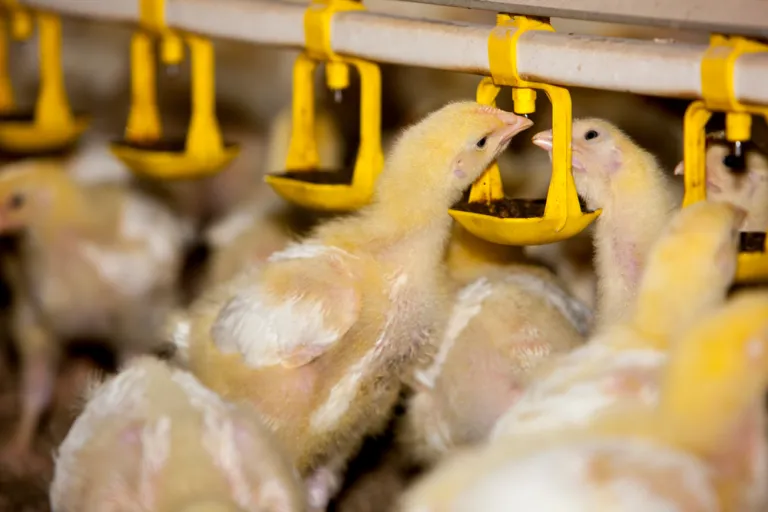
Besides choosing quality breeding stock, it is important for farmers to build an ideal coop just for day-old chicks (DOC). A DOC coop is different from one for adult birds, so it needs special attention. One way to raise DOC properly is to build an ideal DOC coop, which takes sufficient knowledge and broad insight. If you get DOC care wrong, many chicks will die, and that is where your farm's failure begins. To avoid mistakes when building a coop for day-old chicks, follow these guidelines:
Contents
Match It to the Number of Chicks
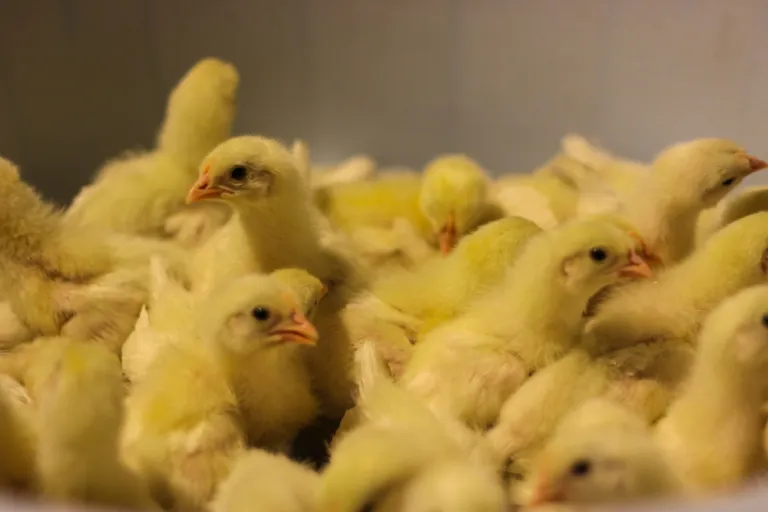
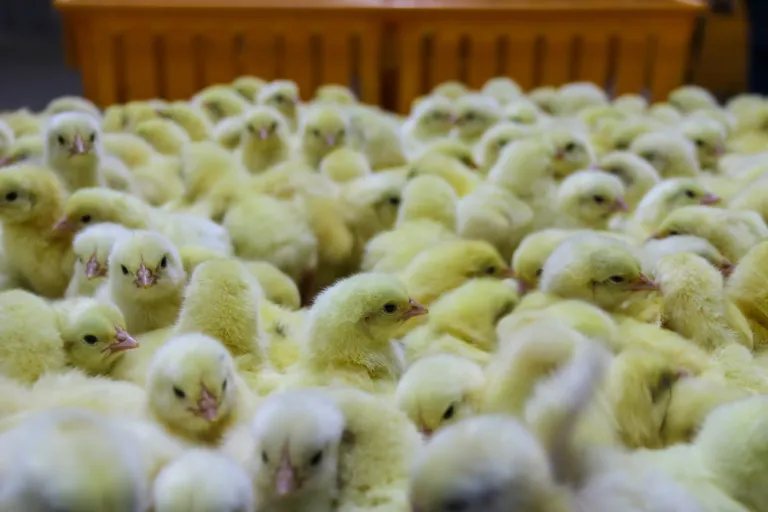
The DOC coop you build should match the number of chicks you plan to raise. The more DOC you raise, the more space you need. Don't let your coop leave the chicks crammed together. DOC need plenty of room so they can move around nimbly and freely. A spacious coop also keeps carbon dioxide from building up to levels that harm the chicks' health.
Orientation
A good, ideal DOC coop faces the right direction. It is best built running west to east rather than north to south. Coops with this orientation are believed to make a farm more productive than those running north to south.
Coop Location
Whether it is a DOC coop or a coop for adult birds, don't build it close to residential areas. A coop too close to people's homes can create new problems, with many neighbors complaining about the farm's waste.
Also read 6 Ways to Build a DOC Coop the Right Way
A Warm, Enclosed Coop
For DOC, the ideal coop is warm and enclosed. Birds in the grower stage can be kept in an open coop, but not day-old chicks. Cold temperatures weaken DOC health, and several diseases can strike, such as influenza. Controlling the temperature inside the coop is a must for any farmer raising DOC. Manage the light and temperature inside the coop carefully so the chicks are protected from predators such as rats and cats. Add a brooder so the coop can be kept warmer.
Feeders and Drinkers
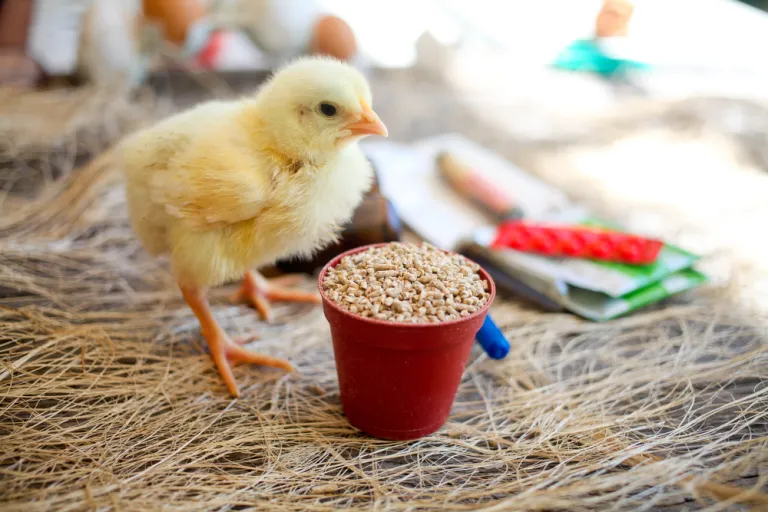
An ideal DOC coop makes it easy for the chicks to reach their feed and water. To keep both within easy reach, place the feeders and drinkers in the same spot, so the chicks can easily see where their feed and water are.
Watch Out for Ammonia
Coops are where ammonia builds up. Ammonia is a gaseous compound with a sharp smell. It comes from DOC droppings that pile up and are rarely cleaned out. That accumulated ammonia can damage the health of the chicks you are raising. Signs that chicks are inhaling too much ammonia include constantly watery eyes, reduced appetite and more. To keep the smell of ammonia at bay, clean the coop regularly every morning and afternoon.
The coop, the feed and the breeding stock are inseparable. If any of the three isn't managed well, your farm won't run smoothly. The one most often neglected is the coop. A poorly designed DOC coop can keep chicks from reaching their full growth potential.
Also read 6 Ways to Raise Day-Old Layer Chicks