Key Things to Watch When Feeding Broiler Chickens
Feeding broiler chickens well means quality pellet or crumble feed, the right schedule for each age and enough feeders for uniform weight.

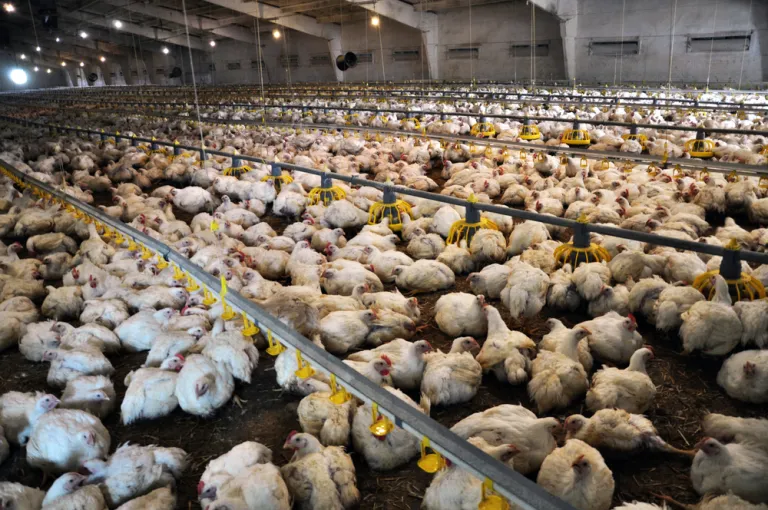
Choosing quality feed has a direct effect on a flock's productivity, including how much thick, meaty carcass broiler chickens produce. The feed you choose should be high-performing and of proven quality. Feed whose quality is consistently maintained tends to use the best raw ingredients. Good broiler feed is usually made with modern technology and must pass strict quality control. Quality feed also helps a farm raise its birds more efficiently, because good feed underpins a farm's success.
When feeding broiler chickens in Indonesia, it is best to use feed formulated for the country's tropical climate. This supports healthy development, because the birds can absorb all the nutrients in the feed properly. Broiler feed should come from a producer that keeps its quality consistent. Consistent feed quality affects the birds' appetite, which in turn has a big effect on the productivity of the whole flock. Chicken feed is usually produced as pellets or crumbles. These forms tend to improve feed efficiency because less feed is spilled and more nutrients reach the bird's body.
Also read How to Tell the Best Broiler Chicken Meat Apart
Besides the form and texture of broiler feed, farmers also need to check its ingredients so the birds truly get the nutrients they need. Broiler feed is usually designed to build thick meat on the carcass, so its ingredients must support meat growth. Farmers can check the ingredients of broiler feed on the bag, where they are usually printed on the label. That way, farmers can make sure the feed is safe and healthy for their birds. Pay particular attention to the added nutrients in the feed. With quality feed, the birds will stay healthy and grow to their full potential.
Feeding also has to match the birds' growth phase and age. Chicks are usually fed as often as possible, a little at a time, because at this stage they are still adapting to their surroundings. Feeding small amounts frequently keeps broiler feed from being wasted and stops it from mixing with droppings. Chicks can be fed up to 5 times a day. As the birds get older, feeding frequency drops to 2 to 3 times a day.
Also read How Successful Broiler Farmers Produce Top-Quality Meat
Another thing to watch is the feeding schedule. Birds should be fed routinely and on time every day, because late feeding affects a farm's production level, so punctuality has to be maintained. Broiler feed can also be given at particular times that suit the birds' needs, such as in the morning or late afternoon. Choose feeding times when the birds are comfortable so they eat well and no feed goes to waste.
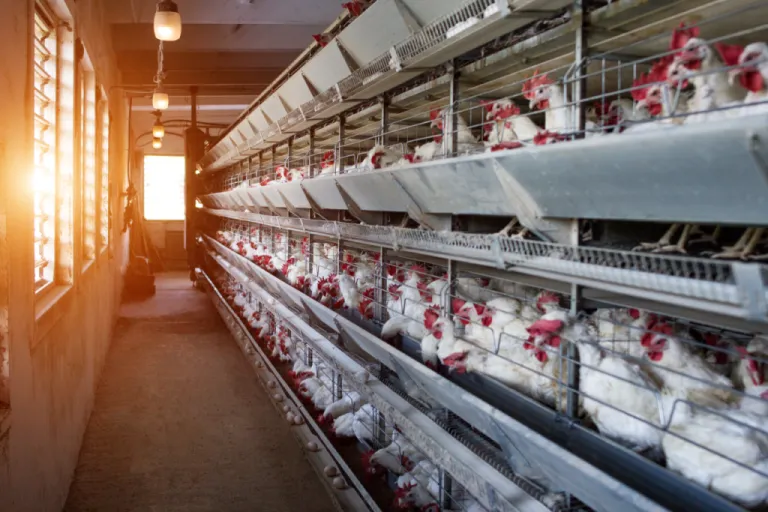
To get uniform body weight across the flock, feeders and drinkers must be spread evenly. Too few feeders and drinkers means some birds do not get an equal share of food and water. This uneven access leads to uneven broiler weights, which can lower production per chicken house.
Also read What Is the Difference Between Kampung Chicken & Broiler Chicken Meat?