3 Keys to Meeting Layer Chicken Nutrition Needs
Meet layer chicken nutrition needs with the right feed type, gradual feed changes at each growth phase and vitamin-mineral supplements for more eggs.

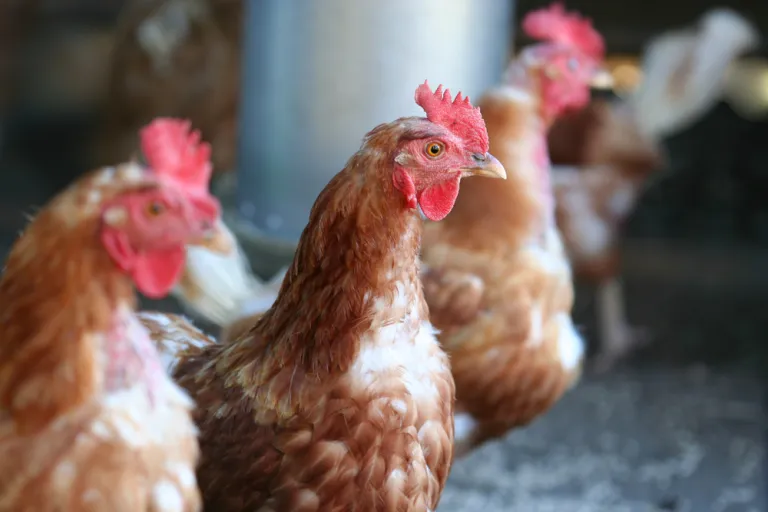
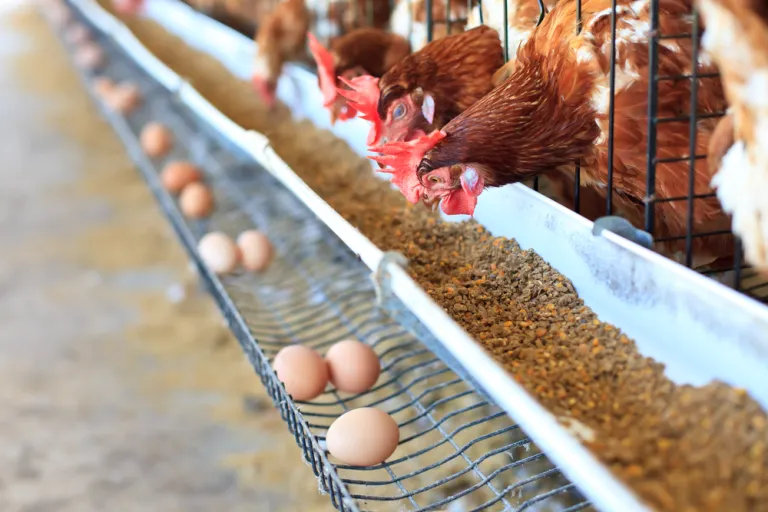
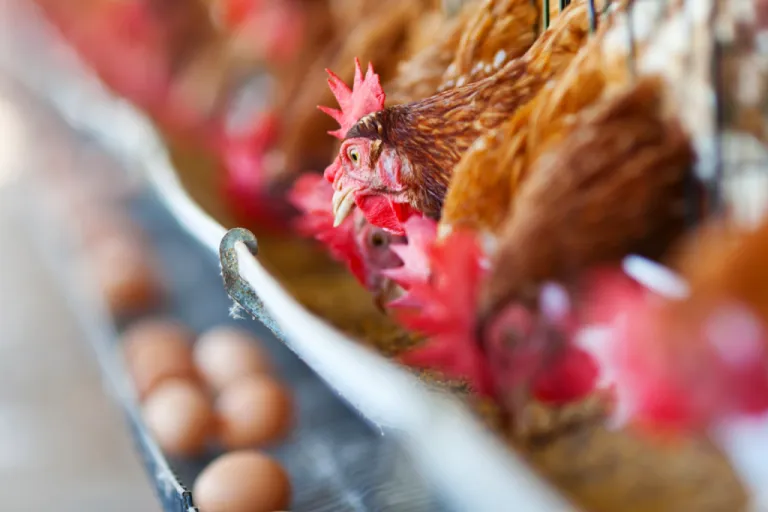
To meet the nutritional needs of layer chickens, farmers have to provide the best feed so the hens never go short on nutrients. The best feed supports egg production. For hens in their productive period, for example, nutrients are needed to support the development of the reproductive organs. So, laying hens at this stage need good nutrition, because it is vital for egg formation and makes the birds more productive.
Because most of a laying hen's needs come from feed, farmers have to pay close attention to what goes into layer feed. Layer feed can be a mix of various livestock feed ingredients. There is also organic feed made from plants or grains that chickens like. Hens usually prefer layer feed in seed or grain form, because chickens are natural grain eaters. They also favor brightly colored seeds or grains, such as red, green, yellow or orange ones. Whatever the form or mix, the feed must meet the nutritional needs of layer chickens so they can be more productive.
Also read Key Things to Watch When Feeding Broiler Chickens
When managing layer feed, farmers should keep the following points in mind so their hens get the best nutrition. Hens that get the best nutrition for their growth phase will lay plenty of top-quality eggs. Top-quality birds in turn help keep people healthy, because eggs are mostly used as an everyday food. That is why nutritious feed matters: besides meeting the nutritional needs of layer chickens, it also ensures the eggs they lay are high in nutrients and fit to eat.
- Choosing the type of feed
A layer flock's productivity depends heavily on the quality of its feed, which is why choosing the type of feed is so important for meeting the hens' nutritional needs. Feed made by mills or farms that produce it under strict quality control is very good for supporting egg production. Feeding should be matched to the type of layer chicken and to its growth phase, so each bird gets the nutrition it actually needs.
Also read How to Raise Meat Chickens for Quality Meat
- Changing feed
Just like choosing the type of feed, layer feed should be changed to match the bird's growth phase, because laying hens need different nutrients and energy levels at each phase. Changing feed also saves money and improves feed efficiency. To reduce stress on the birds, switch feed gradually at each growth phase.
- Using supplementary feed
Supplementary feed helps speed up growth and maintain or increase egg production. It can also serve as a complementary feed, or feed supplement, to help meet the nutritional needs of layer chickens. Supplements can be vitamins alone or a blend of vitamins and minerals. They can also help the birds resist germs, bacteria and viruses that can infect chickens, such as the virus that causes Newcastle disease.
Also read Day-Old Chicks (DOC): What They Reveal About Your Chicken Business